
If You Want To Know What All Those Roadside Cameras & More Are & What They Actually Do & Don’t Do, Read On!
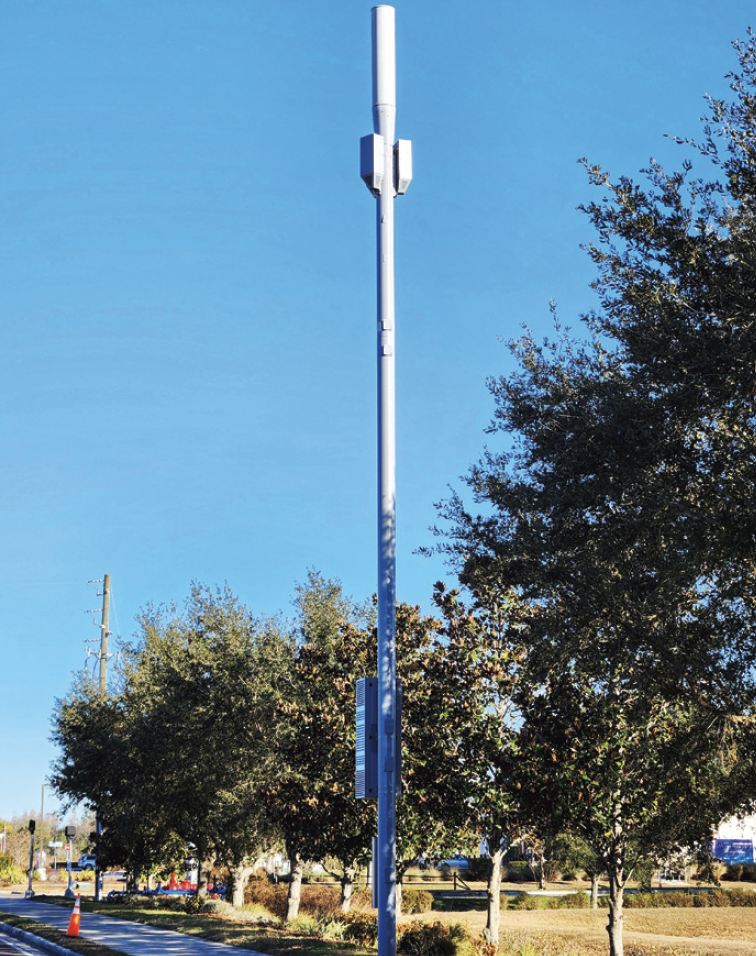
If you drive around Wesley Chapel and New Tampa long enough, you’ll notice all kinds of devices mounted on poles, arms and cabinets along our roadways.
We’re sure you’ve seen those cameras, sensors, flashing signs, small towers — and may have been wondering what they all actually do.
Before I began writing for this publication, I spent 22 years in civil and transportation engineering and planning, including 19 years specializing in traffic operations engineering, including for the Florida Dept. of Transportation (FDOT).
I’ve worked on everything from single-family homes and bridges to diverging diamond interchanges and large-scale community developments. Most importantly, I designed and implemented Intelligent Transportation Systems (ITS) throughout the Tampa Bay area.
In that time, I’ve heard nearly every guess imaginable about what tall of these roadside devices are capable of. Let’s clear up some of the most common misconceptions and explain what you’re actually seeing out there — and whether actual speed cameras may be on the horizon.
5G Small Cell Towers
These are probably the most misidentified roadside devices — and they have nothing to do with traffic control.
Because they’re allowed in the public right-of-ways, many people assume they’re traffic-related. In reality, these short roadside poles (above) are 5G “small cells” or microcells. They’re compact antennas, usually 10–30 feet tall, mounted on utility poles, streetlights, or even traffic signal structures.
They provide high-speed cellular and internet service in a limited radius. Since 5G signals have shorter range and are easily blocked by buildings and trees, these units must be installed more densely in urban and suburban areas like ours. Bottom line: They’re for your phone — not for monitoring your driving.
PTZ (Pan-Tilt-Zoom) CCTV (Closed-Circuit TV) Cameras
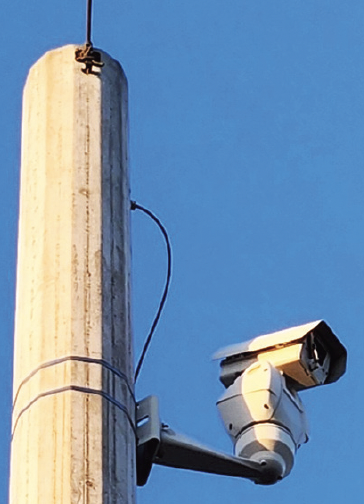
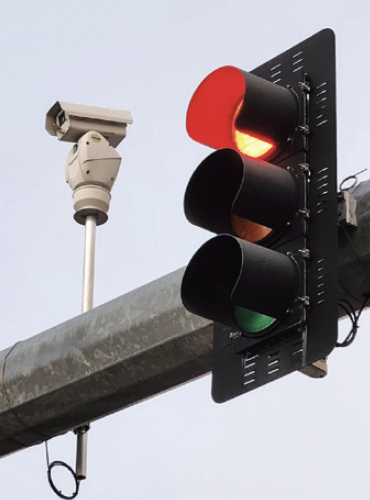
When people see cameras at intersections, many immediately assume they’re red light cameras. Most of the time, they are not. PTZ CCTV cameras (both photos, left & right) are commonly used for roadway monitoring. You’ll see them mounted on poles, on mast arms near signal heads, or on tall “high mast” structures.
They allow city, county, and state staff inside traffic management centers to actively monitor traffic conditions — crashes, congestion, disabled vehicles, or signal timing issues.
Here’s the key point: These cameras typically do not record. They are live-view tools. You can identify them by the large rotating base that allows 360-degree movement and zoom capability.
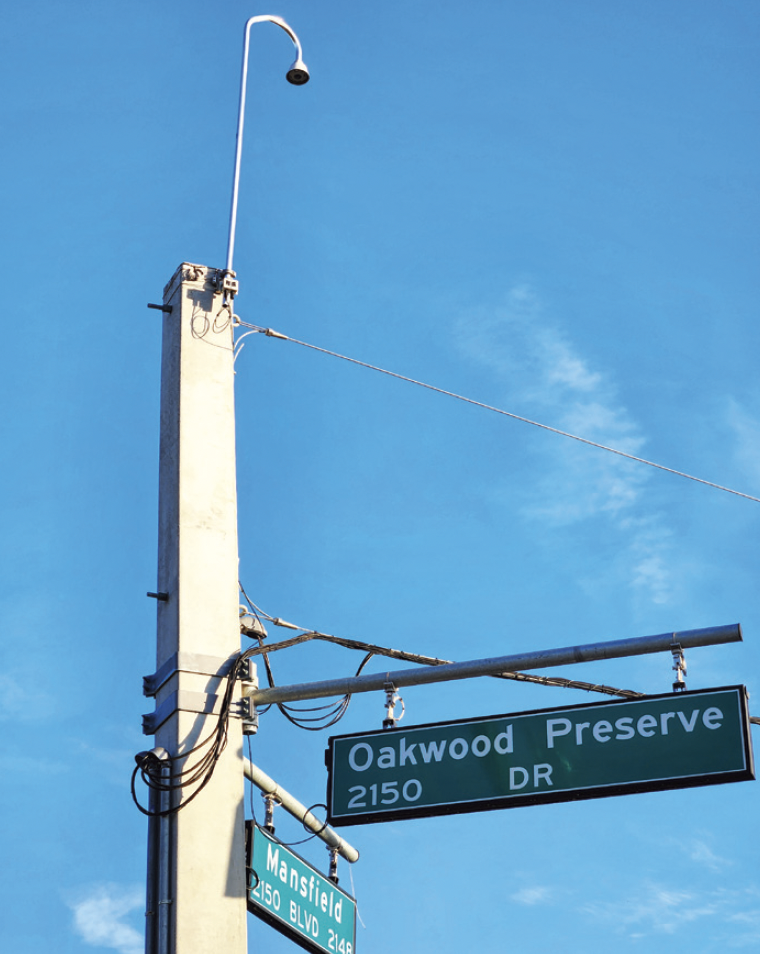
If you see a camera at a signal without that large rotating base, it’s likely not for surveillance — it’s probably a traffic detection camera (see below).
360º Traffic Detection Cameras
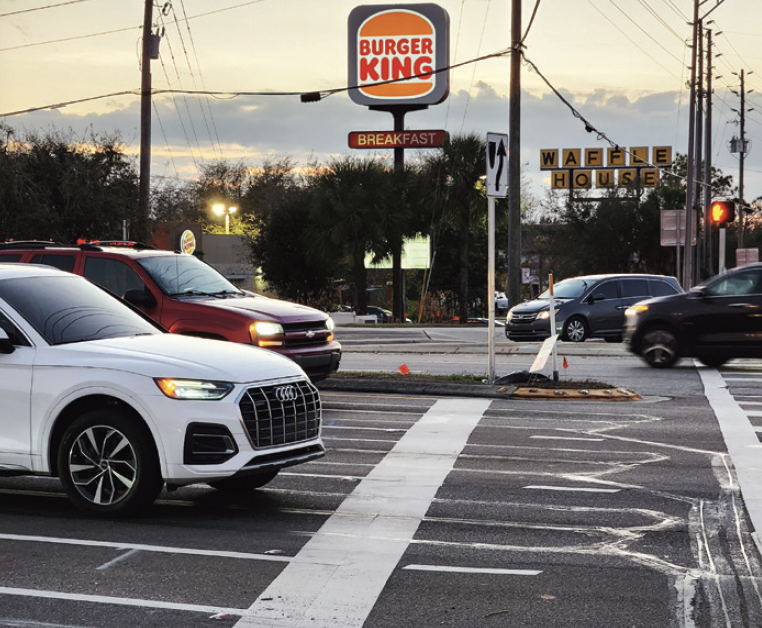
These cameras (right) are becoming increasingly common as older loop systems (below) are phased out. Unlike older directional cameras, these units look down over an entire intersection with a wide field of view.
Typically, two are installed at opposite corners, mounted high for maximum accuracy.
They create “virtual detection zones.” When your vehicle enters one of those zones, it tells the traffic control device that a car is waiting and may trigger a signal change.
Traffic Signal Loops
What about those rectangular or oval cuts (left) in the pavement near stop bars? Those are “inductive loops” — the oldest and still very reliable method of detecting vehicles at signals.
They are not weight sensors. They function like large metal detectors. A coiled wire embedded in the pavement creates an electromagnetic field. When a vehicle moves over the loops, it disrupts the field, signaling the control device that a vehicle is present.
Note-If loops are present, your vehicle MUST be positioned over them to receive a green light.
Dilemma Zone Loops
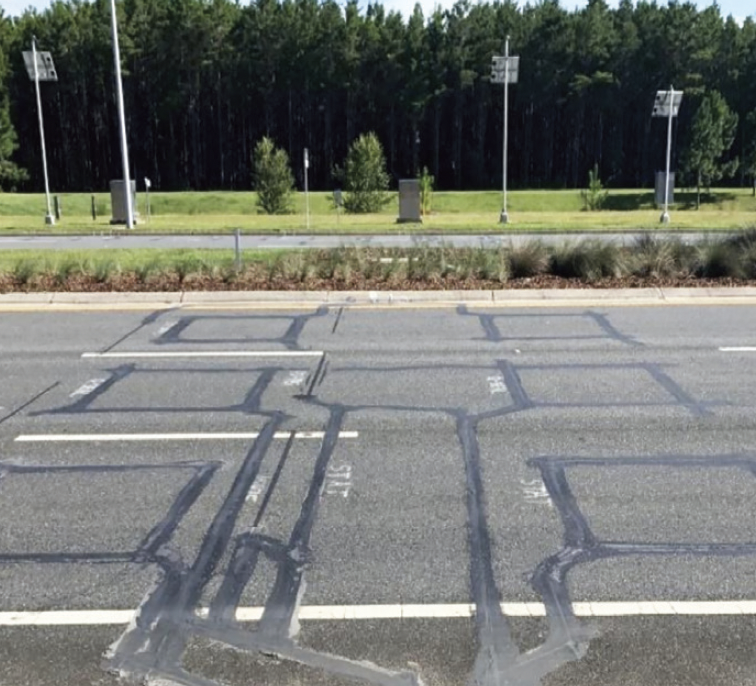
If you see similar small loops as those above further back from a high-speed intersection, those may be dilemma zone detectors. These detect vehicles approaching during the critical moment when the light is about to change from green to yellow.
If a vehicle is detected in that “decision zone,” the system may extend the green phase to prevent abrupt braking or red-light violations.
Count Station Loops
If loops are located away from signals or just downstream of an intersection, they are likely permanent traffic count stations (photo right). These record vehicle totals to help engineers determine roadway usage and future expansion needs.
Microwave Vehicle Detection Systems (MVDS, aka Side-Fire Radar)
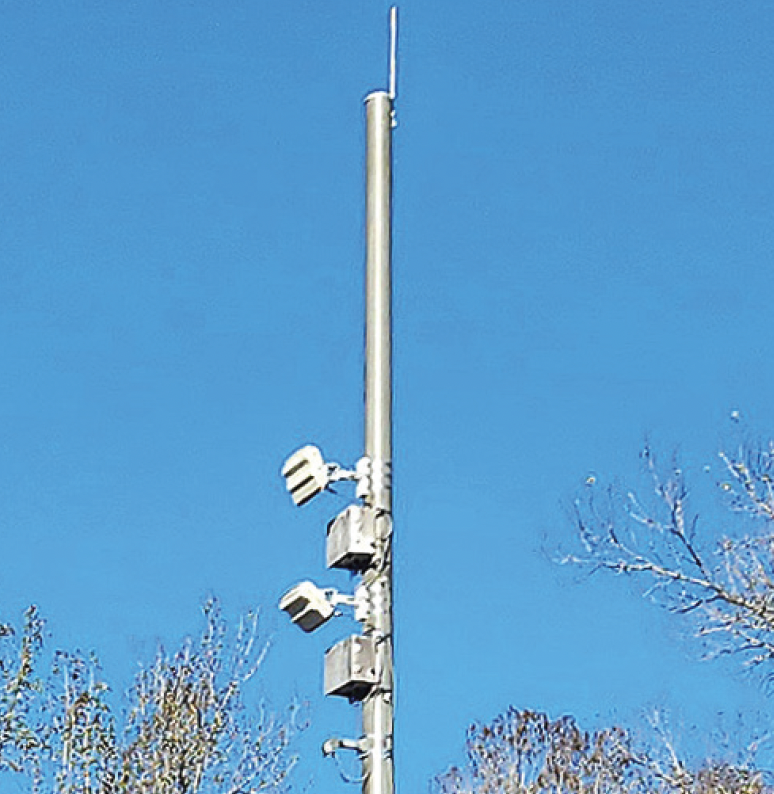
These pole-mounted MVDS radar units (left) are part of modern Intelligent Transportation System (ITS) deployments. Often called “side-fire radar,” they use low-power microwave signals to measure vehicle speed, lane presence, volume and even detect backups.
MVDS are non-invasive — meaning no pavement cuts are required — and provide valuable real-time data to improve operations and detect incidents.
Opticom Emergency Vehicle Detectors
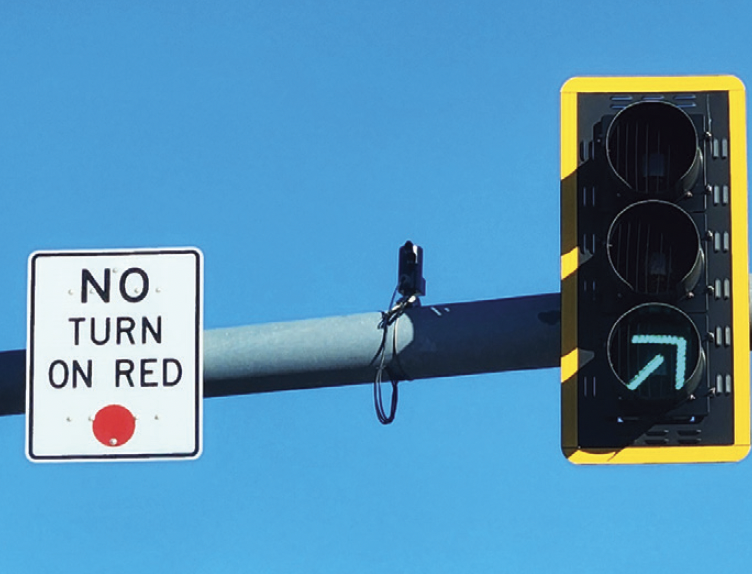
These small black vertical devices mounted near signal heads (right) are extremely important. Opticom systems allow emergency vehicles — fire trucks, ambulances, and law enforcement — to request a green light as they approach an intersection.
Using infrared, radio, or GPS-based communication, they signal the traffic control device to provide priority. This reduces response times and improves safety for both emergency responders and the public.
Video Traffic Count Stations
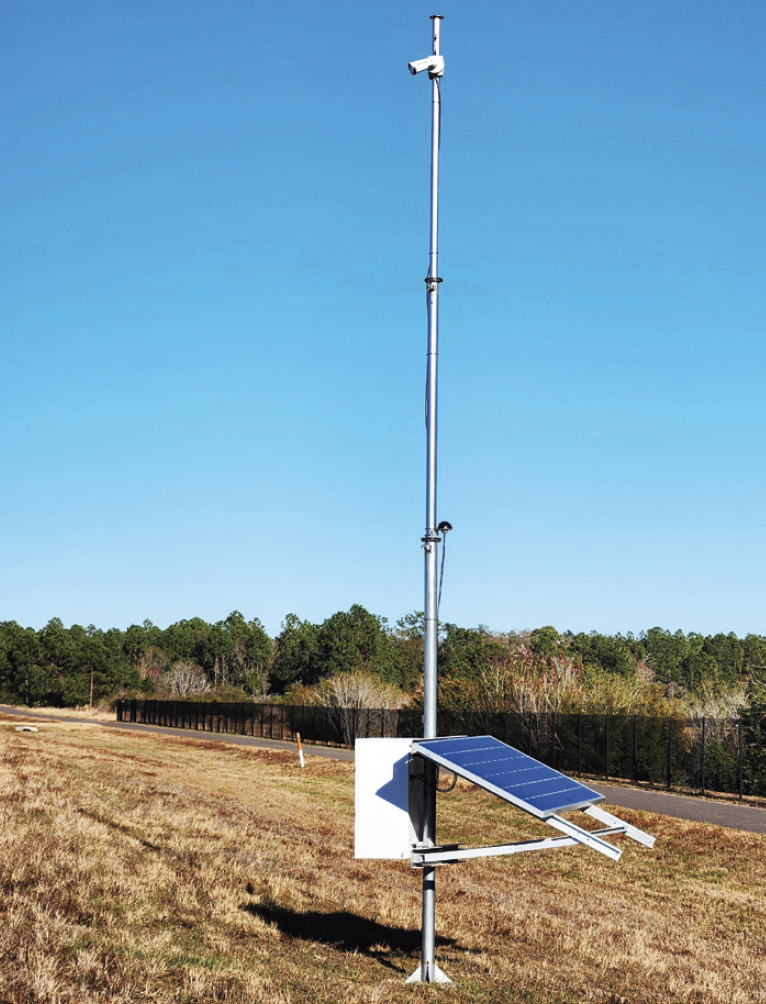
You may have seen poles with large solar panels near their bases (left) set up along busy roads. These are video traffic counters used for planning studies and monitoring.
They use high-mounted, low-resolution cameras and AI software to count vehicles, classify them (cars, trucks, bikes, pedestrians), and track turning movements.
Note-These traffic counters do not read license plates, nor do they record faces.
Their sole purpose is for traffic analysis — often in preparation for development reviews or roadway improvements. If you see a unit with a much smaller solar panel mounted directly on top of a camera, that’s likely something different.
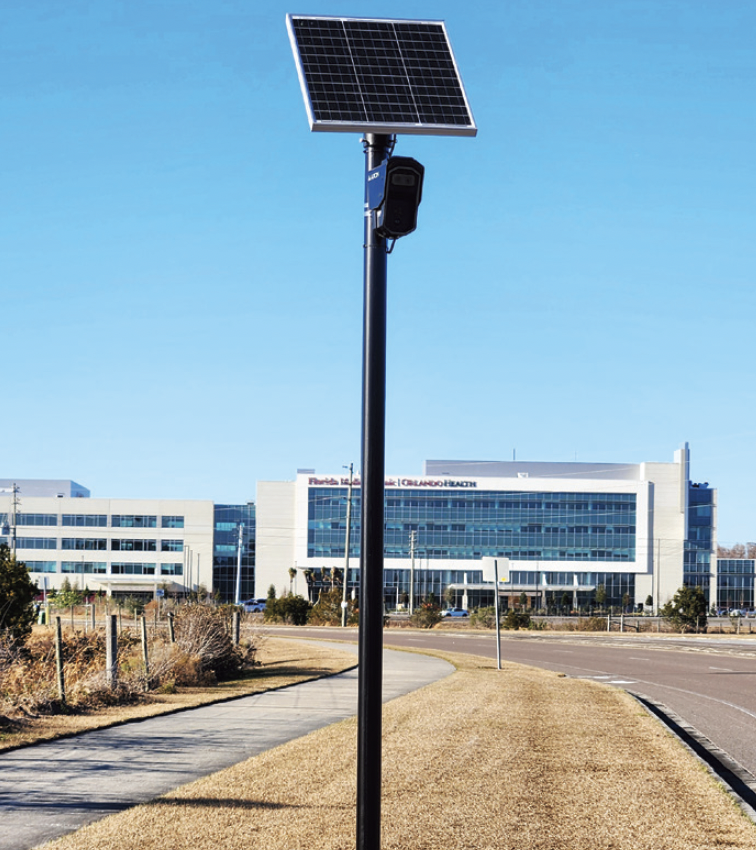
License Plate Readers (Flock Cameras)
Those black cameras (right), with smaller top-mounted solar panels, are typically Flock Safety License Plate Readers, used by law enforcement agencies such as the Pasco County and Hillsborough County Sheriff’s Offices, as well as some HOAs and CDDs.
These systems scan license plates and vehicle characteristics in real time and compare them to databases for stolen vehicles, wanted suspects, or AMBER alerts.
They are not used for traffic signal timing or speed enforcement. Their primary role is crime prevention and investigation.
Red Light Cameras
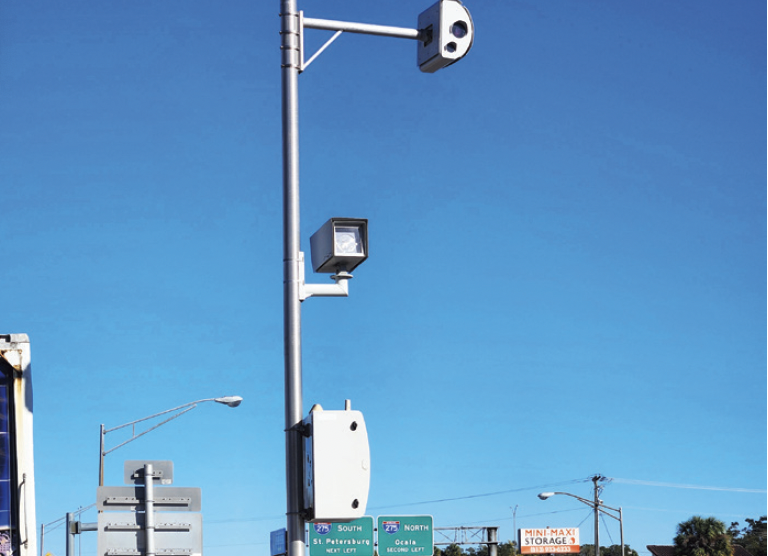
Despite popular belief, not every camera near an intersection is a red light camera.
In Florida, red light cameras (left photo) must be clearly identified by a roadside sign stating “Photo Enforced” (right photo below) in advance of the intersection.
Only a limited number of intersections in our area have them, including locations like Bruce B. Downs Blvd. at E. Fletcher Ave.
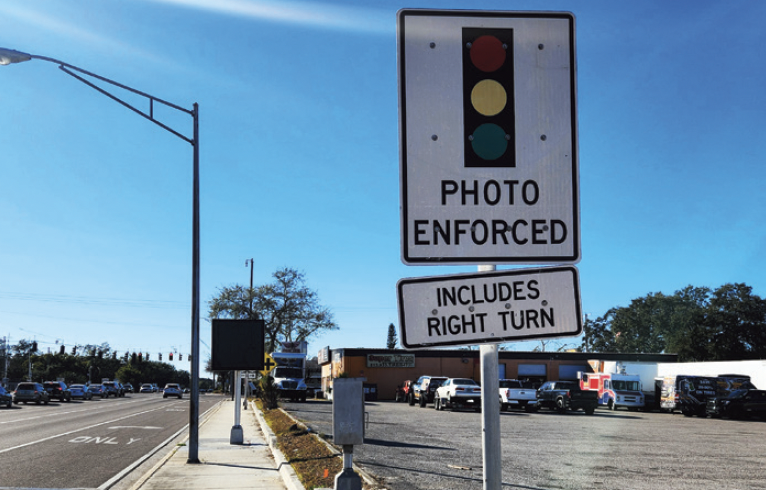
It’s also important to understand that traffic signals include what engineers call “All- Red Time” — a brief interval, typically 1 to 6 seconds, where all approaches display red after the yellow phase. This provides time for vehicles to clear the intersection before opposing traffic receives a green.
Unfortunately, I’ve seen drivers slam on their brakes at yellow lights out of fear of these red light cameras, which can create rear-end crash risks. The safest action is always controlled, predictable driving.
Traffic Cabinets
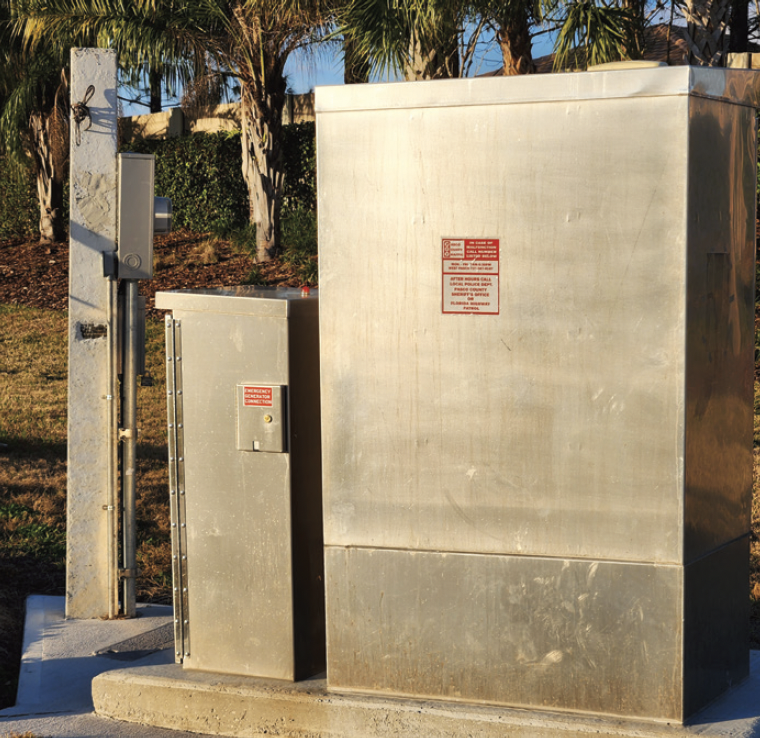
Those large stainless-steel boxes near intersections (left) house the brains of the traffic control system. They are typically bare, but might be painted or wrapped. Inside are controllers, power supplies, communications equipment and detection processors. The signal controller manages everything — signal heads, pedestrian indications, detection inputs, and coordination with adjacent intersections.
You’ll often see a power meter beside the cabinet, just like on a home. Smaller attached (or standalone) cabinets typically house battery backup systems (UPS units), which can place signals into flash mode during power outages.
After major storms or hurricanes, you may also see generators plugged in to keep intersections operational during extended outages.
Wrong Way Detection Systems
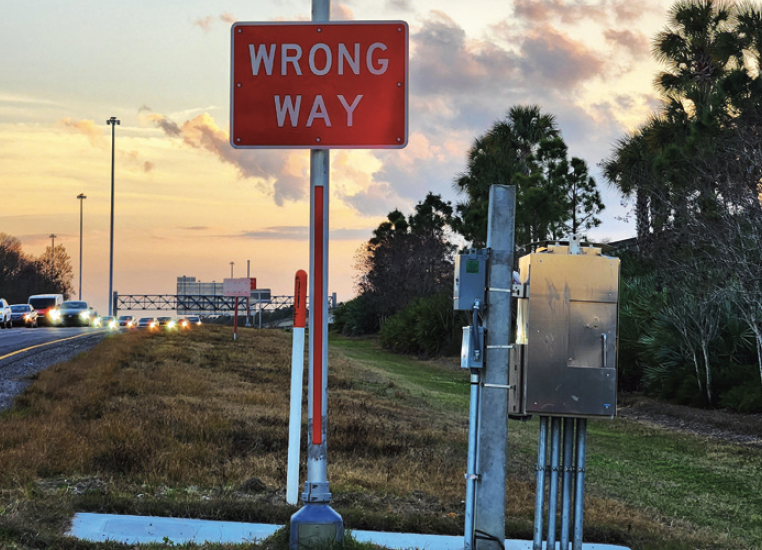
Wrong-way driving prevention used to rely solely on static “Wrong Way” and “Do Not Enter” signs. Today, it’s some of the most advanced roadway technology in use. Modern systems use radar, video, or both (photo right) to detect vehicles entering exit ramps in the wrong direction. When activated, the sign perimeter flashes red lights, and alerts are automatically sent to law enforcement — including the Florida Highway Patrol.
In many cases, nearby CCTV cameras automatically turn toward the ramp so traffic operators can monitor the wrong-way vehicle’s movement.
These systems can record short video clips upon activation — one of the only permanent roadside technologies that does record, but only when triggered by a wrong-way event.
These clips are sent to the control centers (along with an automated alert) to see if the vehicle turned around on the ramp to go back in the correct direction.
Active Speed Signs/Cameras
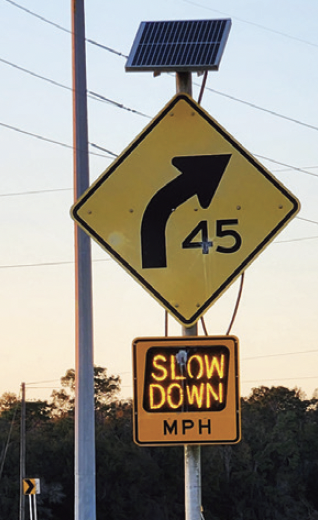
These radar-based warning signs detect the speed of approaching vehicles and display it back to the driver. If you exceed the desired speed, the sign may flash your speed. At higher thresholds, it may flash “Slow Down” more aggressively (left).
These devices can record speed data — but not video — to help engineers evaluate driver behavior and determine whether the sign is improving safety.
They are commonly used on curves, in school zones, and on corridors where speed-related issues are a concern.
As of this writing, there are no traditional roadside speed enforcement cameras operating in Wesley Chapel or New Tampa. However, school zone speed enforcement is a developing topic. Under Florida House Bill 657, municipalities and counties are now authorized to implement school zone speed detection systems.
The Tampa City Council voted 6-1 on Feb. 19 to partner with the same vendor used by the Hillsborough Sheriff’s Office for a school zone speed camera program. If approved, Tampa could begin installing and using cameras that issue citations for speeding in school zones.
The City of New Port Richey is the only Pasco municipality using school speed zone cameras.



No comment yet, add your voice below!