

By Joshua Gabel, Jordan King & Gary Nager
After serving on the Pasco County School Board for 16 years, District 3 School Board member Cynthia Armstrong announced earlier this year that she was not seeking reelection, setting the stage for a nonpartisan primary on Tuesday, August 18, to determine who succeeds her. Five candidates have stepped forward in a race that will be closely watched, as concerns around school safety, teacher pay and other hot button issues continue to be raised by parents and teachers alike.
The field to replace Armstrong includes educator Matt Geiger, Marine Corps veteran and educator Sean O’Flannery, retired military officer and former executive Dr. Kirk Phillips, former communications professional and preschool teacher Erin Stroupe, and businesswoman and Realtor Mollyana Ward.
District 3 encompasses Holiday, Odessa, Trinity and parts of New Port Richey but registered voters of all parties in all areas of Pasco County are eligible to vote in the nonpartisan race. And, if none of the candidates receives more than 50 percent of the vote on Aug. 18, the top two vote-getters will advance to a runoff at the General Election on Tuesday, November 3.
The fundraising numbers cited are from the Pasco County Supervisor of Elections website and were accurate as of July 25.
About Matt Geiger (MG)
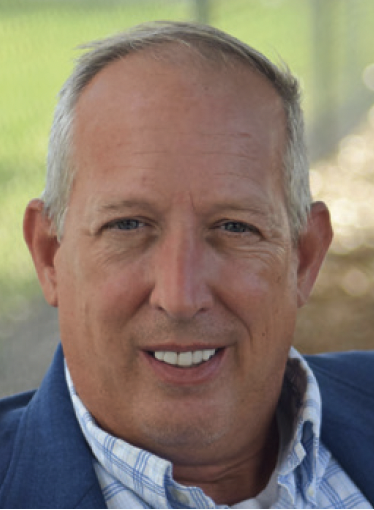
Geiger has nearly 30 years of experience in education, serving in a variety of roles, including classroom teacher, counselor and administrator. He also served as the school director for the Benfica Residential Academy at St. Leo, a coed soccer development academy for professional Portuguese club S.L. Benfica. He previously ran for this seat in 2022, receiving 42 percent of the vote against Armstrong. Geiger earned a Bachelor’s degree from La Roche University in McCandless, PA, a Master of Education degree from Slippery Rock University in Slippery Rock, PA, and a Master’s in Educational Leadership from the California University of Pennsylvania (now PennWest California) in California, PA. He has raised $7,520 for his campaign.
About Sean O’Flannery (SO)
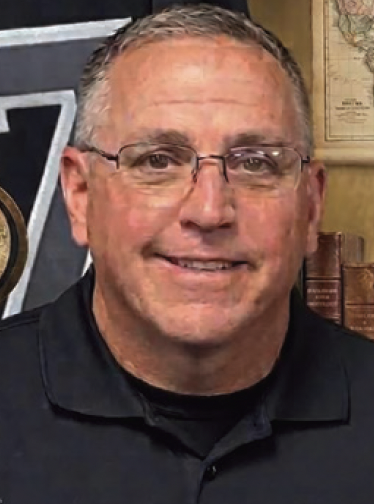
O’Flannery served in the United States Marine Corps Reserve before becoming an officer in the Florida Army National Guard. He is a Hall of Fame high school volleyball coach with more than three decades of classroom experience across four school districts, where he taught civics, social studies and personal finance.
O’Flannery says his greatest accomplishment is his family. He and his wife, Erica, have four children, all of whom either attend or have graduated from the public school system. He previously ran for a seat on the Pinellas County School Board in the early 2000s. He earned a Bachelor’s degree in history from the University of South Florida. He has raised $4,450 for his campaign.
About Dr. Kirk Phillips (KP)
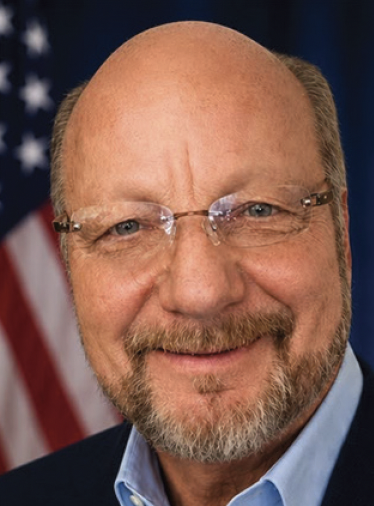
Dr. Kirk “Captain” Phillips is a combat veteran and former executive with leadership experience across the U.S. military, Fortune 500 companies and government. He is recognized nationally for his contributions to innovation, organizational leadership, and public service, and is a published author. He ran for the District 56 seat in the Florida House of Representatives in 2024.
Dr. Phillips received his Bachelor’s degree from the University of Maryland in College Park and a Doctor of Education (Ed.D.) in Educational Leadership & Organizational Innovation from Marymount University in Arlington, VA.
He specializes in Artificial Intelligence (AI) adoption in education. He has raised $50,600 for his campaign, although $45,000 of that total are contributions from Phillips himself.
About Erin Stroupe (ES)
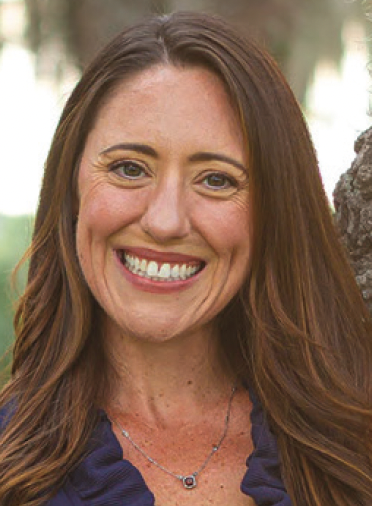
Erin Stroupe is a preschool teacher at St. Thomas Aquinas Early Childhood Center in New Port Richey and was a long-time communications professional before transitioning into the education field. Her communications stints include time with Yahoo, engineering firm BRPH and as a communications manager in the Executive Office of the Governor under former Florida Gov. Rick Scott. Stroupe is a double Seminole, having received her Bachelor’s degree in Communications and her Master’s degree in Integrated Marketing Communication and management from Florida State University in Tallahassee. Her campaign has raised $11,406.31.
About Mollyana Ward (MW)
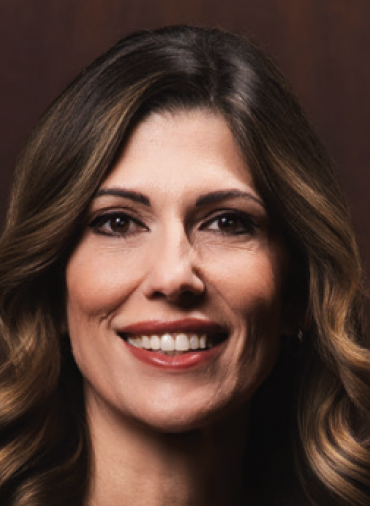
Ward was a long-time Wesley Chapel resident who now lives in New Port Richey. She is a business leader who is the chief operating officer and co-founder of Icemann Development with her husband and Icemann chief executive officer Gordie Zimmermann. She is a mom and grandmother who homeschooled one of her three sons for several years, and each of them graduated from one of the three high schools in Wesley Chapel. She also served as the president of the Central Florida Association for Family Child Care for three years and is a licensed Realtor and real estate Broker. Her campaign has raised $28,015, and of the five District 3 candidates, Ward is the one who was endorsed by Pasco Superintendent of Schools Dr. John Legg.
Questions for All Candidates:
Note – Joshua Gabel interviewed four of the five candidates. I interviewed Mollyana Ward. I asked her most, but not all, of the same questions, so I have included her answers to the same questions below and will then include her answers to my other questions at the end of this article.
I also want to thank Neighborhood News freelancer and local teacher Jordan King for contributing the following questions for the candidates.
And finally, I apologize for the smaller-than usual font size and spacing for this Q-&-A session, but we wanted to make sure that all of the candidates’ answers to these questions were included in this issue. — GN
Neighborhood News (NN): What do you believe is the purpose of your role as a School Board member? What makes the difference between an effective and ineffective School Board member?
MG: My role is to ensure every child in Pasco County receives a high-quality, safe education that prepares them for success while serving as a strong advocate for parents, students and educators. The School Board sets policy, oversees the budget, hires the superintendent and holds the District accountable to deliver results — not to push agendas or expand bureaucracy.
An effective school board member prioritizes transparency, data-driven decisions, parental involvement, fiscal responsibility and measurable student outcomes (academic achievement, safety, attendance). An ineffective one rubber-stamps administration proposals, avoids tough conversations and focuses more on adult interests or national trends than on local families and classrooms.
SO: The role of a School Board member is to serve on a civilian board that helps direct policy and acts as a watchdog over the public budget. As a lifelong educator, I have seen well-intentioned School Board members struggle to understand this distinction, which can make them ineffective when they try to micromanage day-to-day matters that properly fall under the Superintendent’s purview.
My goal is to arrive prepared for meetings, maintain an open mind when citizens share their perspectives and work to reach consensus while strictly adhering to Florida’s open records laws.
KP: As a School Board member, my purpose is to represent our community’s values while setting clear policy, vision and budget priorities that keep students safe and learning at high levels. An effective Board member knows the difference between governing and managing: our job is to set goals, adopt policy, steward taxpayer dollars wisely and regularly evaluate the Superintendent’s performance against those goals.
I believe ineffective Board members get distracted by personalities, social media drama, or micromanaging day-to-day school operations, instead of focusing on student outcomes and system-level results. I will stay student-centered, data-driven and fiscally responsible, using clear measures of academic achievement, safety and stewardship to guide my decisions. Finally, I will work collaboratively with my fellow Board members. Hence, the Board speaks with one voice, even when we disagree, because stability and accountability at the table are essential for strong schools and a strong Pasco County.
ES: A School Board member’s job is to create and set policy, approve the budget and provide oversight and accountability to the District. An effective School Board member engages with and listens to the concerns and needs of the families, teachers and the community, and uses those insights to help inform decisions. In addition, a good Board member takes the time to understand all facets of every issue that crosses their desk, before making a decision that best serves the students of Pasco County.
MW: I’ve been on boards where I’ve walked away feeling like, did I accomplish anything? What did we really get to solve here? But, I hope to be effective. I think budget transparency is a big conversation; retaining teachers is another huge one. I have not seen the budget in a deep dive kind of way, but I hope to be able to go through it and find out where money is being spent and how we can shift things. We have to be able to find the money to pay the teachers without an additional tax. Maybe I’m being naive, but I have to believe that there’s a way.
As someone who was a stay-at-home mom while raising my kids, with my late husband Rick as the only income source, we had to learn what to cut, what we didn’t need. You do it because you have to in order to survive. I have a vested interest in making sure that this is a sustainable budget.
NN: Do you plan to inform the community of the benefits of the tax referendum that helps to supplement teacher and staff salaries? If yes, how will you plan to do so?
MG: Yes. I will actively inform the community through town halls, District-wide communications, social media and targeted outreach in both eastern and western Pasco. I’ll emphasize how funds directly support competitive salaries to attract and retain quality teachers and staff, while insisting on accountability measures — such as tying increases to performance metrics, reducing administrative overhead, and ensuring transparency in spending — to guarantee taxpayers see real improvements in the classroom, not just higher costs.
SO: I support the referendum, but I also believe we must examine potential budget cuts to demonstrate to taxpayers that the Board is committed to fiscal responsibility. Currently, Pasco County is losing veteran teachers to neighboring districts. I know this firsthand because I am one of them; I reluctantly left Pasco County Schools to teach in Hillsborough County for a $20,000 salary increase. Addressing the loss of our experienced, veteran teachers will be a priority for me.
KP: When I talk about the referendum, I’ll be honest about both sides. I’ll show people, using simple charts and one-page handouts, how the money has improved pay for teachers and staff and helped us stay competitive with nearby districts. I’ll also explain what happens to classrooms and services if that funding suddenly goes away.
I’ll use town halls, civic groups, school events and social media to walk through the numbers, compare public-school pay and benefits with those of similar civilian jobs and answer questions directly rather than relying on slogans. I’ll keep reminding folks that my priority is to use our existing dollars more effectively through innovation, efficiency and smarter HR practices, so that any decision about renewing a tax is made with clear facts about both the pros and the cons, not out of fear or pressure.
ES: Yes, I have been doing this frequently by answering questions regarding the referendum, explaining the difference between the referendum and Pennies for Pasco and ensuring the community understands that the teachers are at the receiving end of this vote. I have repeatedly added my comments to public forums:
“At the end of the day, the teachers are at the receiving end of this referendum. It is a line item on their pay stubs. Regardless of how one thinks the budget should be managed, voting ‘no’ is a vote to decrease their pay, and I cannot in good conscience take that risk. Agreed, we need more state funding to adequately pay our teachers, and we need School Board members with the integrity and willingness to continue to fight for this in Tallahassee.”
MW: Right now, I’m just sharing other people’s social media about it. All the teachers want it, the School Board wants it, so it’s just getting the messaging out. It’s already an existing tax. It really comes down to, if they take it away, the teachers, the janitors, bus drivers, they’re the ones who are going to suffer.
NN: How do you plan to remain active and visible to the individuals in the District, as many staff and students rarely interact with the individuals that make decisions for them?
MG: I will commit to regular, accessible engagement: monthly District listening sessions (rotating between east and west Pasco), school visits during different times of day, regular community forums and an open-door policy for staff, parents and students. I’ll use simple tools like a dedicated email, newsletter updates, and social media to report back on board actions. Decisions impact people directly. I refuse to be an invisible bureaucrat and will prioritize face-to-face interaction over remote administration.
SO: I am already deeply involved in our local community. I am active in my church, serve as a youth ice hockey coach at AdventHealth Center Ice, and currently serve as my community’s HOA President. As a Board member, my goal is to remain highly accessible and to help direct parents to the appropriate personnel whenever they need assistance.
KP: I plan to be a highly visible, hands-on Board member, not someone you see only at meetings or on a ballot every four years. I’m fully retired from the Air Force and now focus on civic life in Pasco and across the state, as well as educational research on generations and global innovations in education, so I have the time and flexibility to be regularly present in schools, neighborhoods, and community spaces.
I will stay active in local civic and nonprofit groups and continue advocating for excess school properties to become learning, heritage and cultural spaces rather than more traffic and dense development, as I’ve done with the 1922 Gulf High School/ Schwettman Center project in New Port Richey.
A powerful way to connect is through Rotary Interact initiatives; for example, my Seven Springs Rotary Club and Mitchell High School have a mentoring, service and scholarship relationship that provides a natural way to engage with students. My goal is for students and staff not only to know my name but to see me in their community, working alongside them on the places and issues that matter most.
ES: I firmly believe that “you don’t know what you don’t know.” I plan on making this role my full-time position, visiting schools often and holding open office hours at our local library for families to come ask questions and engage. I am a current parent of school-aged children and have spent the last year as a preschool teacher. I take community engagement very seriously, as it is the only way to truly understand the needs and successes of the district.
MW: I know there’s an open dialogue for email and I believe that parents interact through emails with School Board members, so that’s obviously one way. I also know that most School Board members visit schools in their District often, and my job allows me that flexibility. I’m going to love doing that; I look forward to it. I will do as much of that as I’m allowed.
NN: How should our funding be allocated to best serve the needs of students and educators?
MG: Funding should prioritize the classroom: teacher salaries, instructional materials, and student support first. I support auditing current spending to eliminate waste and administrative bloat, addressing east-west capacity imbalances (e.g., overcrowding in Wesley Chapel/Wiregrass vs. underutilized schools in western Pasco Gulf/Anclote), and directing resources toward proven needs like reading/math proficiency, vocational programs and special education. Every dollar must demonstrably serve students and educators rather than non-essential programs.
SO: My priority is directing resources to the classroom to support student learning and competitive educator compensation.
KP: Our funding should be allocated in a clear hierarchy: student safety first, then strong teacher compensation packages, followed by innovative transportation and learning models, just-in-time curriculum and lesson design, and efficient, optimized support functions. Research shows that how dollars are spent matters as much as how many dollars there are, and the highest returns come when funds are tied directly to high-quality instruction and student outcomes. I see teachers like soldiers on the battlefield. Every dollar we spend should deliver a measurable “return-on-learning” clearly linked to their work in the classroom and the results students achieve. That means building budget tools that track the impact of programs and positions on student growth and redirecting money away from low-impact activities and bureaucracy into what most improves teaching, learning time and support for educators.
ES: First and foremost, student success is directly related to teacher success. We must do everything we can locally and at the state level to increase funding for teacher and staff pay. With that being said, district leadership and school board members must approach budgetary decisions with student success as the primary focus. If an expense does not directly support student achievement or the classroom experience (with data to support), only then should it be considered for reduction.
MW: One of the things I have looked into is the health insurance in the District, in part because [School Board members] get health insurance through the District, like teachers do. But, the cost of that insurance for just the [employees] is very low, but when you add a spouse and children, like a family plan, the amount it goes up is just crazy. How much money do our teachers have left after that if they insure their families through the District? That’s one thing I will definitely be looking into.
NN: What measures do you plan to take toward student and staff safety in schools?
MG: I will push for strong discipline policies, including clear codes of conduct with consistent enforcement, expanded mental health resources and collaboration with law enforcement. This includes reviewing security infrastructure (cameras, access controls), active shooter protocols and anti-bullying measures that protect all students. Staff safety is equally important — zero tolerance for violence against teachers or personnel, with swift consequences and support systems in place.
SO: I would support bringing in a qualified third-party operator to conduct an objective, honest security audit that highlights areas where we need to strengthen school security. Additionally, I would prioritize raising salaries in our IT and technology departments to recruit the talent needed to secure our network infrastructure and prevent cyber threats, such as ransomware attacks.
KP: My goal is for every student and staff member to feel physically secure, emotionally supported and confident that leadership at all levels will act quickly, fairly and consistently when safety is at stake.
Student and staff safety comes first, and I see it as much bigger than locking doors. Our current Board has taken school safety seriously and addressed many key risks. However, there are still multiple layers we must continually monitor: building security, screen time, food processes, transportation and logistics, injuries on sports fields and issues such as bullying, fighting and chronic misbehavior.
I will support strong physical security and emergency planning while emphasizing emotional safety, consistent discipline and evidence-based threat assessment practices that catch problems early and respect students’ rights. I will push for clear standards and regular training in every school on how we handle bullying and fights, supervise high-risk areas like cafeterias and sports fields and monitor food, transportation and other daily operations so that safety is built into every process, not left to chance.
ES: School safety must always remain a top priority, and I believe it’s important for voters to understand the role a School Board member plays in keeping our schools secure. The Board’s responsibility is to ensure our schools have the policies, resources and accountability necessary to protect students and staff. That includes supporting investments in trained safety professionals, mental health services, secure facilities and emergency preparedness, while holding district leadership accountable for implementing and evaluating safety plans.
As a School Board member, I would take the time to fully understand the security measures, protocols and challenges that the general public is not privy to. My responsibility would be to ensure we are doing everything within state and federal guidelines to provide the safest learning environment possible.
We must also communicate openly and transparently with families to build trust. Having experienced campus lockdowns with my own children, I have seen firsthand where communication and follow-through can fall short. Families deserve timely, accurate information before, during and after an incident or drill so they can feel confident that their children are safe.
MW: As a Realtor, I always look for the things sellers can do to get top dollar for their house for the lowest cost. In that case, it’s a deep cleaning. I believe the least expensive thing the School Board can do for safety is establish a culture of communication within the schools. Kids are usually the first ones to see something, so we need to make sure first that kids feel like their voices matter and they can go to the administrators, their teachers and parents and say something. That’s number one — and it doesn’t cost anything.
The second thing is single-point entry. Some of our schools will have to be retrofitted to have a single point of entry, The newer ones all have it that you have to go through the admin door to get into the rest of the school. So, I did the Pasco County Schools Citizens Academy, where we got to meet all of the leaders in every department and they explained every aspect of the schools — and that’s something they’re already doing.
The other things all cost money and sure, let’s do all of it, but where’s the money going to come from? Maybe with some community partnerships?
And, there’s AI technology [for safety], too. Even for Gordie’s business, with the sports arenas, this technology can detect if you have a gun or some kind of whatever on your body, so maybe that and cameras, although not everyone likes them. But, if you drop your pet off at Pet Paradise, you can tune in on your phone any time of day, but you can’t do that with your own kids at school?
NN: What are your views on school choice, specifically when considering public, charter and private schools?
MG: I strongly support school choice, including public, charter and private options, because parents know their children best. Healthy competition drives improvement across all schools.
In Pasco, we should expand access to charters where traditional schools are underperforming or overcrowded, protect voucher/ESA programs that empower families (especially in western Pasco where enrollment has declined) and ensure public schools remain excellent by focusing on core academics rather than losing students to alternatives. No child should be trapped in a failing school.
SO: I believe Pasco County Schools can perform at a higher level, but I fully support a parent’s right to choose the educational path that best suits their child’s needs and goals. To enhance our public offerings, I would like to implement the Fundamental Magnet program, which has been highly successful in nine Pinellas County schools.
The Fundamental model is essentially a contract: parents commit to attending monthly PTA meetings and all requested parent-teacher conferences, while students understand that failing to adhere to behavioral standards may result in reassignment. Demand for this model is incredibly high; last year, 1,000 students listed Osceola Fundamental as their top choice, even though only 400 seats were available. Additionally, I would like to explore offering a four-day school week option for certain high schools, a model that has proven successful in Texas.
KP: Our nation’s future is only as bright as its students, and that’s the lens I use to evaluate school choice. I wholeheartedly support a wide range of options for families, including public, charter, private and homeschool. Still, my first responsibility as a School Board member is to make our public schools so strong that they are the best choice for most families. I believe homeschool families are important partners in our community, and I support providing optional, well-designed on-site and remote supports, such as access to certain classes, labs, extracurriculars and student services, as an extension of the public system. Whatever the setting, whether public, charter, private, or homeschool with District support, I will view school choice through one lens: does it improve student outcomes, use taxpayer dollars responsibly and keep parents clearly informed about both the opportunities and the tradeoffs?
ES: I fully support school choice to keep our schools competitive. My responsibility as a Board member would be to ensure each family has access to an excellent public school in their community by investing in strong academics, safe learning environments, exceptional teachers, and meaningful opportunities for students.
School choice can also present challenges when it comes to enrollment, staffing, budgeting and long-term planning. As a School Board member, I would work to ensure we are making data-driven decisions that responsibly manage taxpayer dollars while adapting to changing enrollment patterns.
MW: Our job title is the Pasco County School Board, not just Pasco County Public School Board. That means that every kid in our county deserves to have an education that fits them. So, I am a big proponent of school choice. If we want kids to go only to public school as the choice, let’s keep on working to make them better. I don’t fear school choice. I think it brings excellence and competition. And, I think a quality education should be accessible for every kid. I just want parents to always have a choice, but we have to figure out a way to make it competitive across the board to provide parents with that choice.
And, speaking of parents, they’re the first teachers for their children, and schools and teachers are their partners, but they don’t replace good parents. It’s not the schools’ job to discipline the kids. It’s the parents’ job. Like, Superintendent Legg came out about the potty training issue. If kids aren’t potty trained by kindergarten or even first grade, that’s not a school problem — it’s a parenting problem.
NN: What do you see as the most pressing challenges facing our District and how will you address them? Who will you consult to advise and inform your decisions?
MG: Key challenges include teacher/staff shortages, enrollment imbalances (east overcrowding vs. west decline/closures), chronic absenteeism, learning gaps post-pandemic and rising behavioral/ mental health issues. I will address them through competitive pay with accountability, transparent budgeting, data-driven redistricting or facility planning and partnerships with local businesses for career pathways. I will consult parents (via PTA/ parent groups), teachers (directly, not just unions), principals, business leaders and education experts, always prioritizing evidence over ideology.
SO: An over-reliance on computer-based technology in the classroom is a major challenge. From my firsthand experience as an educator, I have seen the academic and social setbacks caused by excessive technology use, including lower reading comprehension levels. I advocate for a “Back-to- Basics” approach to education, where technology is utilized as a targeted tool to enhance learning, not as a replacement for foundational teaching methods or face-to-face instruction.
KP: I see three major challenges: keeping learning relevant to today’s world, shifting decision-making closer to the local level rather than adding mandates and addressing traffic and logistics that drain time and energy. Curriculum has to be relevant to today and tomorrow, not 1994, and connect directly to real jobs, technology and community needs while giving teachers room to adapt lessons rather than simply ticking compliance boxes. We also need to push back on unnecessary state and legislative mandates so districts have more flexibility to solve local problems while remaining transparent and accountable.
Finally, the major challenge is traffic. Parents, teachers, bus drivers and students all tell me congestion around schools is a daily source of stress, lost learning time and behavior issues. I want to work with transportation staff, law enforcement and local planners to map the worst choke points, improve traffic flow and treat “time lost to traffic” as a real performance issue, not background noise.
ES: I believe the top challenges facing Pasco County Schools are issues that require long-term strategic planning and thoughtful consideration: declining enrollment and budgetary constraints.
We need to tackle declining enrollment head-on by uncovering and addressing the real reasons students and families are choosing to leave our public schools. That starts with having honest conversations with families, teachers and school staff to better understand their experiences and identify meaningful solutions. This issue is directly tied to our budget, as every student who leaves the district represents approximately $9,000 in lost operating revenue. Pasco County Schools is projected to lose approximately 2,000 students this year, equating to an estimated $18 million in funding lost to private schools, homeschooling and charter schools. We will also face additional budget challenges if the referendum is not renewed.
Transparency and engagement with families, the community and all district stakeholders is imperative. Keeping them informed and actively involving them in these conversations will build trust and create greater opportunities for long-term success.
NN: Can you describe specific strengths and reasons for pride in your district?
MG: Pasco has dedicated educators, beautiful community schools, growing vocational and career-tech programs and a commitment to Florida’s educational reforms (e.g., parental rights, reading initiatives). We have strong arts, athletics and emerging opportunities in areas like technology and trades.
Pride comes from resilient families and the potential to become a model district through better resource equity between east and west, higher academic standards and community partnerships.
SO: Our county has experienced rapid population growth, and our district staff has done an incredible job planning and adapting to meet the needs of families as new subdivisions are built. While other districts across the state are losing enrollment, Pasco is seeing remarkable growth. The professionals managing our facilities and planning departments deserve great credit for navigating this ever-changing landscape.
KP: Our District has real strengths to be proud of, starting with the civic and nonprofit organizations that consistently step up for our students & schools. When a need arises — whether it’s mentoring, supplies, scholarships, or targeted support for a specific campus — one of these remarkable groups finds a way to fill the gap.
Pasco also has a distinctive culture, rich in heritage, family, faith and community, that genuinely values education and long-term student success, not just earning a diploma and moving on. My wife and I are both retired Air Force members and could live anywhere in the world, but we chose Pasco because this community has, since 1999, embraced what matters most to us: service, responsibility and giving back. That spirit reflects President John F. Kennedy’s call to ask what we can do for our country, and it’s exactly the mindset we want to pass on to the next generation of Pasco students.
ES: District 3 is very diverse, as we are home to some of the highest-performing schools in the county, as well as several Title 1 schools. Though they differ in many ways, each school embodies their own sense of pride, excitement and enthusiasm for the future.
Additionally, as I was born and raised in District 3, I have witnessed the growth we have experienced over the last few decades and am proud of our community’s ability to adapt to this growth and the changes that have come with it.
NN: How do you plan to ensure that students & staff of all backgrounds feel welcomed in the school environment & set up for success?
MG: Focus on a safe, orderly, academically rigorous environment where every student is treated as an individual — not divided by identity. Policies should emphasize respect, anti-bullying, clear behavioral expectations and support for English language learners, students with disabilities and all families.
Success comes from high standards, targeted interventions and celebrating American values and individual achievement rather than divisive frameworks. Parental input will guide inclusive practices.
SO: Creating a welcoming environment ultimately succeeds at the school building level. I favor empowering our school principals rather than enforcing a rigid, top-down mandate. We must trust these local leaders to develop and execute a tailored vision for their specific school’s success. Furthermore, I believe principals should remain at their schools for longer tenures — ideally 5-10 years — so they can build deep roots, understand their local community and effectively serve their student body.
KP: I plan to make sure every student and staff member feels welcomed and set up for success by living out a very simple, lifelong principle: treat everyone equally and with trust.
In my own family, this goes back generations. Abraham Lincoln was assassinated just three years before my great-great-grandfather was born — and Lincoln’s belief in human dignity and equality was omnipresent in his youth and adult life. He passed down a core principle that I still try to embody today: treat everyone equally, without exception. My military service reinforced that. In the Air Force, the mission comes first and everyone, regardless of race, background, or belief, stands shoulder to shoulder to get the job done. That experience breaks down a lot of barriers and bias, and it shaped how I see people.
In our schools, that means I don’t fixate on labels or backgrounds, even as I respect and value different cultures and traditions. As Board member, I will support policies, training and expectations that focus on fairness, clear standards and respect for every person. I will look hard at data on discipline, opportunity and achievement to make sure no group is being left behind, and I will back leaders and teachers who model the same “everyone is equal” standard in how they treat students and staff every day.
ES: It’s important that School Board members visit the schools in their District to build relationships and gain valuable insights into the strengths and opportunities that exist within those schools. That includes ensuring all families are welcomed, their concerns are heard and their children are met with the appropriate resources to ensure their success. This applies to teachers and staff as well — they must know their voices are heard and that they are valued members of their school family.
NN: How do you plan to address student attendance and truancy?
MG: Implement proactive early intervention — mentorship, family engagement and addressing root causes like transportation or home challenges — combined with firm enforcement of attendance policies. Partner with community organizations for support services and use data to identify patterns.
Chronic absenteeism harms achievement; clear expectations and consequences, paired with help for families, are essential.
SO: I use a term called “The Hook Method.” This is when you find that item that “hooks” a student and makes them want to come to school. I believe in refocusing resources to extracurricular activities as a hook to keep students engaged. Whether it is athletics, vocational shop classes, fine arts, or Advanced Placement/AICE courses, we need to give students a compelling reason to be at school. As a Hall of Fame volleyball coach, I used my time with student-athletes to motivate them to attend class on time, follow school rules and maintain their academic standing. I recommend placing renewed emphasis on the use of extracurricular programs and coaches as mentors and motivators for our students.
KP: I would build on and strongly support the attendance and truancy approach that Superintendent [Dr. John] Legg has been advancing, as it aligns with my recommendations. While I do not have his full policy text in front of me right now, from everything I’ve seen and heard, the direction is right: clear expectations, early intervention and real partnerships with families, not just punishment.
ES: The District already has systems in place to identify attendance concerns early and work with families to address them, and I support that approach. Chronic absenteeism is often caused by a larger issue, whether it’s academic struggles, mental health challenges, transportation or circumstances at home.
As a School Board member, I want to ensure we’re using data to identify trends, learning from schools that are seeing success and giving our educators and support staff the resources they need to help students stay engaged and in the classroom.
Ultimately, our goal should be to partner with families, remove barriers whenever possible and create school environments where students want to be [in school] every day, while also upholding Florida’s attendance laws and maintaining high expectations for our students.
NN: What are your opinions about [School District] policies toward using technology in education, and specifically, phone and tablet usage by students in the classroom?
MG: I support restrictions on personal phone and non-instructional tablet use during class to minimize distractions and improve focus/academic outcomes. Policies should allow educational tools while limiting social media/gaming during instructional time. Evidence shows reduced screen time in class correlates with better engagement; I’ll back age-appropriate guidelines, parental notification tools and data privacy protections for students. Technology is a tool, not a replacement for teaching or human interaction. At each of the schools I have been a principal or administrator, I have had strict policies around cell phone use, from turning them in prior to school to turning them in prior to each class.
SO: As noted in my response regarding our District’s primary challenges, I believe we must move toward a “Back-to-Basics” model. Classroom technology should support learning, not replace it. We should set clear policies to minimize distractions from personal devices during instructional time so students stay focused on academic growth. I would support a total ban on any [“smart”] glasses that can record video in school settings, bathrooms, or locker rooms. These areas are not public and I can envision a serious violation of privacy for our students and staff.
KP: We live in a digital world, and I’ve built my career on using technology and innovation to improve services and reduce administrative burdens for the people on the front lines. My doctorate in Educational Leadership & Organizational Innovation focused on how schools adopt innovations like AI from the perspectives of students, teachers, support staff and administrators, so I understand both the promise and the pitfalls.
At a recent St. Leo [University]event with Agriculture Commissioner Wilton Simpson and a national Chamber of Commerce leader, we heard that the number-one skill employers are looking for now is the ability to work with AI and to innovate to solve real organizational problems. This means our students must learn to use these tools well, not just avoid them.
In the classroom, I support firm, consistent limits on phones and tablets during instruction to prevent disruptions to attention or behavior, while still allowing purposeful use of technology when it clearly serves a learning goal. My goal is simple: teach students to treat technology, including AI, as a disciplined tool for learning and problem-solving, and ensure our policies protect focus, safety, and teacher authority in every classroom.
ES: I firmly believe that elementary education should focus on basic principles that support on-grade-level reading by third grade. Phonological awareness, fine motor skills and critical thinking are best developed with traditional, hands-on learning, not technology. As children progress in their education, we need to ensure technology and screens are used by both students and teachers as a tool to enhance learning, not as a default or crutch. Students’ personal devices should be kept out of the classroom setting, only to be used in an emergency.
#####
NN: Here are the additional questions I asked Mollyana Ward during our interview:
NN: How did Superintendent Dr. John Legg end up endorsing you in this race?
MW: I was one of, like, 25 people of all aspects of life who served on his transition committee when he first took office. I honestly don’t really know why he selected me for that committee. But, that was when I first met him. He told me why he picked me — because I’m a businesswoman and he feels we need business-minded people on the School Board. Not that the other people aren’t capable, but they’re more on the teacher side and he wanted it to be more balanced, so he was looking for business-minded people.
NN: Do you think receiving Dr. Legg’s endorsement makes you the front-runner?
MW: I don’t know. I don’t worry about things like that. With five candidates in the race, it’s obviously hard to get to 50%, but some people told me that if you are the front-runner, you’re more likely to make it to the top two if there is a runoff. I’m still just learning this whole process.
NN: Even though you would be the School Board member from District 3, you have to run countywide. How much harder does that make campaigning for you?
MW: Well, it’s not easy to be all over the place. But I do feel like one of my benefits of running over the other candidates is that I established myself on this [the east] side of the county first and now, I live on the west side.
NN: You said that you homeschooled your oldest son Ricky for several years, but did all of your kids attend school in Wesley Chapel?
MW: Yes. Ricky actually graduated from Wesley Chapel High, Nick graduated from Wiregrass Ranch and Jack was in the first graduating class at Cypress Creek Middle/High School.
NN: If you are elected, whether on August 18 or in a runoff, what is your plan for your first year in that office?
MW: I would like to see us increase our career education path and expand our partnerships with community organizations. We have such a shortage of MROs (Maintenance, Repair & Overhaul), like engine repairs, elevator repairs, diesel mechanics, welders and plumbers. There’s just so many shortages across the board.
My youngest, Jack, decided to become a plumber. He started as an apprentice and now, he’s only 25, but he was able to buy a house two years ago. I’ve seen it in real estate that there is a major shortage of quality trades people.
NN: Do you think you can find money in the District’s budget for those types of programs?
MW: Well, that’s why we need community partners. If these companies need to be hiring these kids, then they should be contributing to their education, too, right? So, I do believe there is a way to partner with them and I’ve already talked to Dr. Legg about it. I said, ‘You have enrollment down and schools closing on the west side [of the county], but it’s up on the east side. Sometimes, you have to pivot. The world changes, so why not take some of those schools that are empty, or have declining enrollment, and turn them into a Junior Achievement-type of facility where kids can get certifications and apprenticeships, so they can start making money right away, so that even if they end up going to college, they don’t have to graduate with a ton of student debt?’
NN: What do you think about AI? I know your opponent Dr. Kirk Phillips is all for it.
MW: I find that AI is right only about 60% of the time. One of the things I am running on is putting paper back in the classroom, like handwriting is actually important, because there’s a proven connection between the brain and the hand.
When you’re writing down ideas and thoughts — you own those ideas and thoughts. It’s an experiential process. The physical act of writing things down creates memories. You get the information — and you don’t get that from a keyboard. I just think that nothing can replace teacher interaction. It isn’t just the information they teach, it’s the relationship, the eye contact, the struggle of learning. I’m not saying screens and AI have no place in school, I just think kids still need teachers.