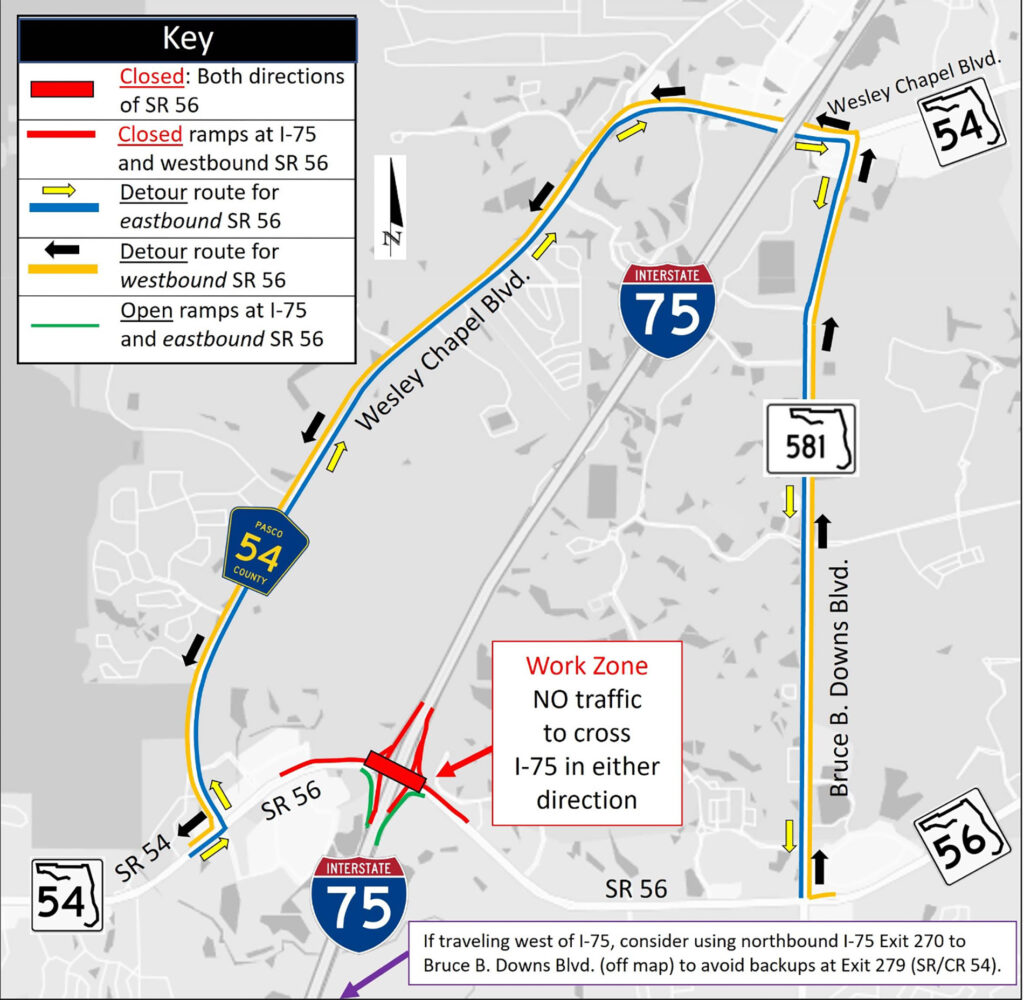
The Diverging Diamond Interchange (DDI) is nearing completion and, as a result, S.R. 56 will be closed to all traffic at I-75 from approximately 11 p.m. on Friday, April 1, to sometime during the day on Sunday, April 3.
No traffic will be permitted to travel through the work zone across I-75, according to the Florida Department of Transportation (FDOT). S.R. 56 is being closed to switch the roadway to the DDI traffic pattern.
S.R. 56 traffic will be detoured using S.R. 56, Bruce B. Downs (BBD) Blvd. (S.R. 581) and S.R. 54/C.R. 54 (Wesley Chapel Blvd.) as shown on the map above.
FODT says the DDI will not be at full capacity until closer to the expected project completion this summer. The contractor, Superior Construction Company Southeast, LLC, has more work to do to open an additional lane on both eastbound and westbound S.R. 56, and another turn lane from the northbound I-275/I-75 exit ramp onto westbound S.R. 56.
While S.R. 56 is closed, two ramps will be available to use at the I-75/SR 56 interchange — the eastbound S.R. 56 entrance ramp onto southbound I-75, and the northbound I-275/I-75 exit ramps onto eastbound S.R. 56. All other traffic will be directed via detour signs to use the I-75 interchange at S.R. 54/C.R. 54.
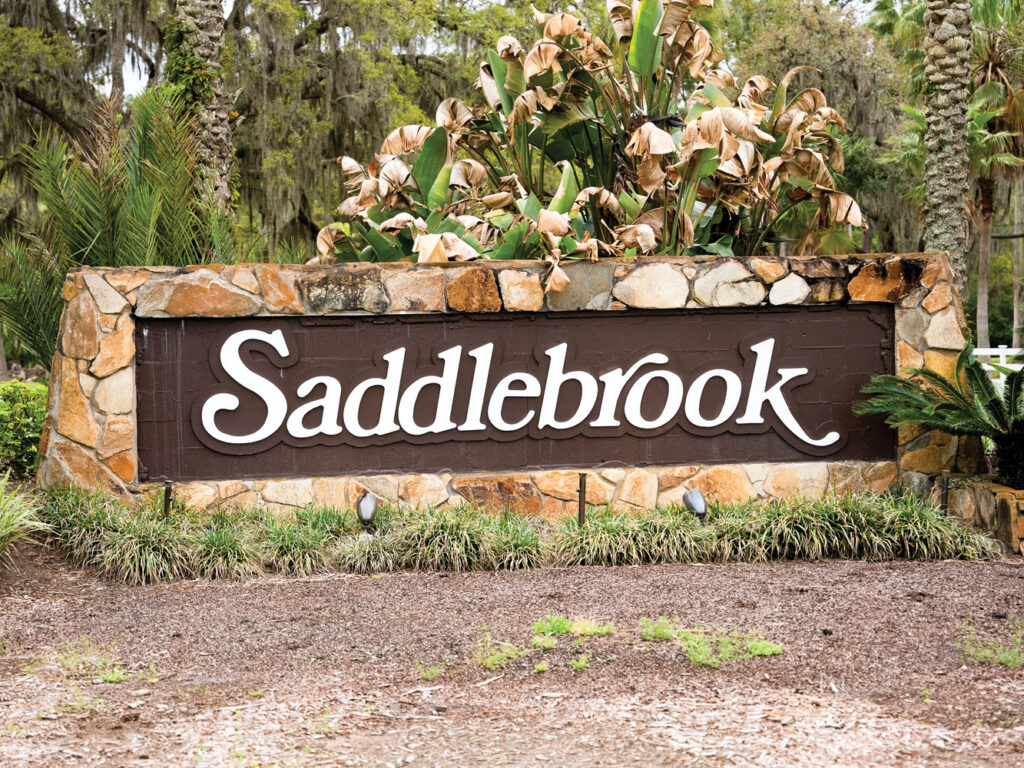
Saddlebrook Resort, the first centerpiece of Wesley Chapel and a forerunner of all the development happening today in the area, has been sold.
But, it’s not going anywhere, says longtime owner Thomas L. Dempsey, who told the Neighborhood News that the sale just marks a new chapter in the resort’s long and fabled history.
“I’m very pleased; it has a long way to go,” said Dempsey. “A great group of people bought it and intend to expand it in the future and we’ll be working with them in the future.”
The iconic conference center, vacation resort and athletic getaway was purchased by Mast Capital and Amzak Capital Management for $15,009,000 according to Pasco County Property Appraiser website.
Dempsey was the Chairman and CEO of Penton Publishing, a subsidiary of the Fortune 500 Pittway Corporation, when he helped develop Saddlebrook Resort after Pittway purchased the 480-acre property in 1979. Saddlebrook Resort opened in 1981, and Dempsey purchased the resort from Pittway in 1988 and has been Chairman and CEO — as well as a full-time resident — ever since.
Saddlebrook Resort, tucked away south of S.R. 54 and east of Bruce B. Downs (BBD) Blvd., is a 500-unit condo and hotel property, featuring restaurants, gift shops and other amenities, including more than 100,000 square feet of conference space.
It is often the choice of visitors with plans to stay in the area for a long time. For example, in 2018, the U.S. Women’s Hockey Team stayed at Saddlebrook while training at nearby AdventHealth Center Ice for the Winter Olympics, before they won gold at PyeongChang, South Korea.
The Olympic hockey team is just one of many high-profile athletes that have been associated with Saddlebrook.
Both of the 18-hole golf courses were designed by PGA legend Arnold Palmer, but the most famous athletes the resort has hosted and trained have been professional tennis players.
Thomas L. Dempsey, Saddlebrook Resorts owner, Chairman and CEO since 1988, poses with the U.S. Fed Cup tennis team in 2017. Saddlebrook hosted the semifinals, which the U.S. won, defeating the Czech Republic. (Photo: John C. Cotey)
Saddlebrook has been well-known for being a training ground for players like Jim Courier, Jennifer Capriati (also a long-time resident), John Isner, Martina Hingis and Andy Roddick, as well as many others. It hosts many tennis tournaments, most recently (and notably) the Women’s Fed Cup finals between the U.S. and the Czech Republic in 2017.
The property also is home to nationally-renowned tennis and golf training academies, which are part of Saddlebrook Prep, a fully accredited college-preparatory school (grades 3 through 12) with roughly 100 students from more than 25 different countries attending the school while getting world-class training in their respective sports.
The gated resort, however, had begun to show its age in recent years. Mast Capital CEO Camilo Miguel told the Tampa Bay Business Journal (TBBJ) that the property will receive a major renovation, and may even add residential and commercial space in the future.
“I think there’s a lot of opportunity in elevating the property and bringing back some of its luster,” Miguel said. “There hasn’t been much investment in the property in decades, so that’s the low-hanging fruit.”
Miguel also told the TBBJ he has already hired HEI Hotels & Resorts to manage the resort, and instead of bringing in a different flagship hotel to the property, feels that the Saddlebrook name still carries enough weight to make it a desired destination.
Mast Capital also announced earlier this week that Troon, the world’s largest golf management company providing services at 630-plus locations around the globe, was hired to manage the resort. In addition to golf, Troon specializes in homeowner association management, private residence clubs, estate management and associated hospitality venues.
Dempsey, 97, declined to talk about the sale or why he sold the resort after all these years, but did say he was proud of what his family accomplished with one of the first big-ticket locations in the area north of Busch Gardens.
“From the time we arrived some 40 years ago, there was very little here, practically nothing,” Dempsey said. “It grew to be a prominent part of Florida. and one of the fastest-growing areas. And, we were very much a part of all that, and will continue (to be) for the future.”
Dempsey thinks the outlook for Saddlebrook is promising. He said the new owners have plans to expand and improve it, making them an attractive buyer.
As for what he will remember the most from his stewardship of Saddlebrook Resort, Dempsey says there are too many things to mention.
“It’s been a long series of very good things,” he said. “We had a lot of help along the way with the people here, and also the county and all of that. They were there to work with us and will continue to do so.”
For Mast Capital, a Miami real estate investor/developer, it is the second major purchase it has made in Wesley Chapel in the last six months.
In November 2021, in a joint venture with private equity firm Rockpoint Group, it acquired roughly 16 acres of land located at 5101 Bruce B. Downs Blvd. for $4.5 million with plans to build a 248-unit luxury apartment community later this year.
After failing to convince Pasco County commissioners to accept one of their proposed projects in Seven Oaks, SD Wesley Chapel and Stock Development, LLC, are appealing the decision under the state’s Land Use and Environmental Resolution Act.
At the Feb. 22 Pasco Board of County Commissioners (BCC) meeting, county attorney Jeffrey Steinsnyder told commissioners that SD Wesley Chapel and Stock Development are claiming the 3-2 vote against their project was “unreasonable and unduly burdensome.”
Steinsnyder said the appeal was rare. “It’s been a while since we had one,” he said.
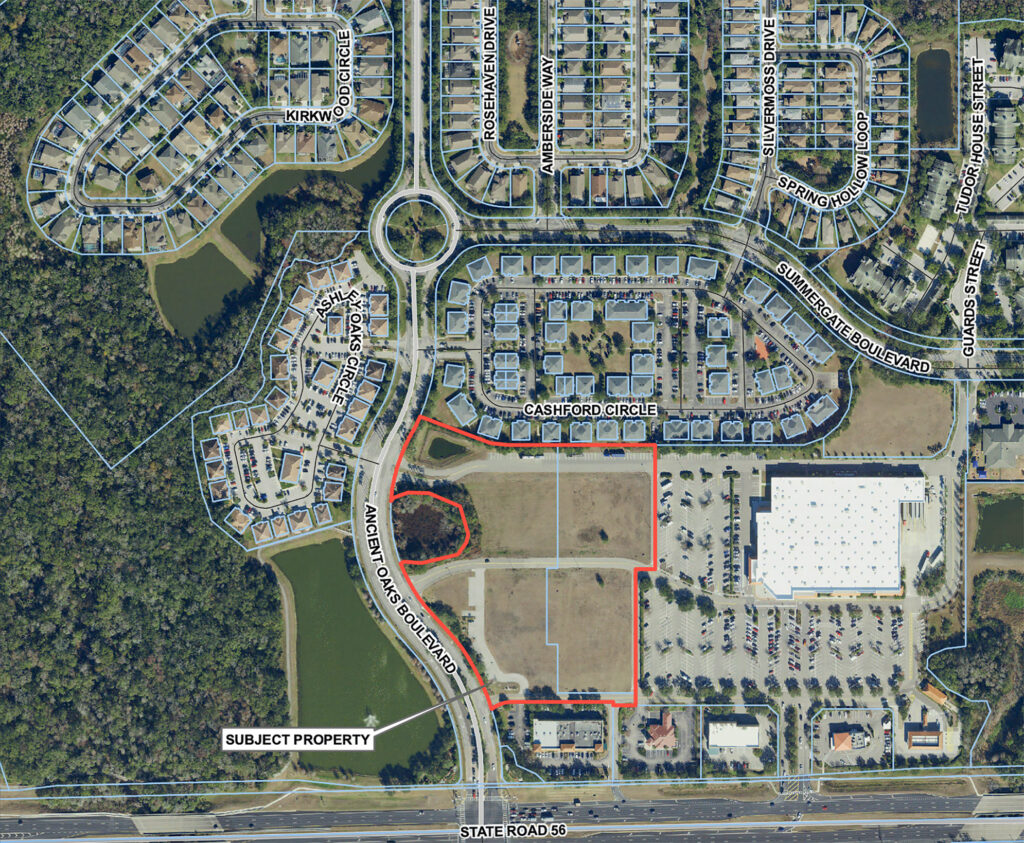
SD Wesley Chapel and Stock Development LLC want to rezone a 10-acre parcel (S-19) at the southern portion of Seven Oaks (just north of S.R. 56; see map above) currently zoned for commercial and retail so it can build a high-end 320-unit apartment complex as part of a vertical mixed-use development.
The proposed apartment complex would include a pool, a dog park and open space for gatherings in the southern portion of the complex.
Steinsnyder said the developers and county have agreed to meet with a special magistrate, David Mechanik, who is a Florida Supreme Court-certified mediator.
While a site for that meeting hasn’t been chosen, the public is invited to attend, especially those who are affected by the proposed development. If a resolution can be reached, another public hearing would be held and the BOCC would have to vote on the project again.
Pasco’s Planning Commission originally voted down the plan to rezone the 86,000 square feet of retail and office space in September due to a number of concerns.
After the developers amended their original plan, the BCC voted 3-2 against it at the Jan. 11 meeting, with District 2 commissioner and Seven Oaks resident Mike Moore joining District 1 commissioner Ron Oakley and commissioner Jack Mariano of District 5 in opposition.
The Seven Oaks application was submitted prior to the BCC’s current apartment moratorium.
At the exceptionally long Jan. 11 meeting, dozens of Seven Oaks residents showed up to speak against the project.
Gary Lemberg, the president of the Seven Oaks Property Owners Association, told commissioners at that meeting that he hadn’t talked to a single Seven Oaks resident that favored the project. “Our board is definitely against it,” he said.
The arguments against the project varied, from traffic concerns on Ancient Oaks Blvd. (a major north-south route through Seven Oaks) to the effects on school capacity to general compatibility.
Opponents of the project, including attorney Chelsea Waller-Douthard of Waller Law, mentioned the number of apartment complexes already in that area.
Windsor Club at Seven Oaks to the east has 240 units on 14.7 acres, and the Colonial Grand at Seven Oaks rental community to the west has 318 units on 20 acres.
In addition, the Enclave at Wesley Chapel has 312 units on 43 acres, and Bonterra Parc has 264 units on 26.3 units. Both are located across the street from Seven Oaks, on the south side of S.R. 56.
The proposed project “is double the density of any apartment community in Seven Oaks, and two-and-a-half times the density of other apartments in the area,” Waller-Douthard said, adding that it was more of a fit for South Tampa or Orlando than Wesley Chapel.
A splash pad, pickleball courts and hiking trails are just some of the amenities that could be available to New Tampa residents by the end of this year, or early next year.
According to District 2 Hillsborough County Commissioner Ken Hagan, the county is ready to move ahead on a new park for the Branchton area off Morris Bridge Rd. south of Cross Creek Blvd. Hagan says the county staff is ready to submit plans for the park’s permitting.
“Ideally, after that’s approved, we should be able to have a groundbreaking out there probably in the April-May range,” Commissioner Hagan says.
If that happens, Branchton Regional Park will likely be completed sometime in early 2023, although Hagan says he is hoping the park can be finished by the end of 2022, if the summer weather and supply chains cooperate.
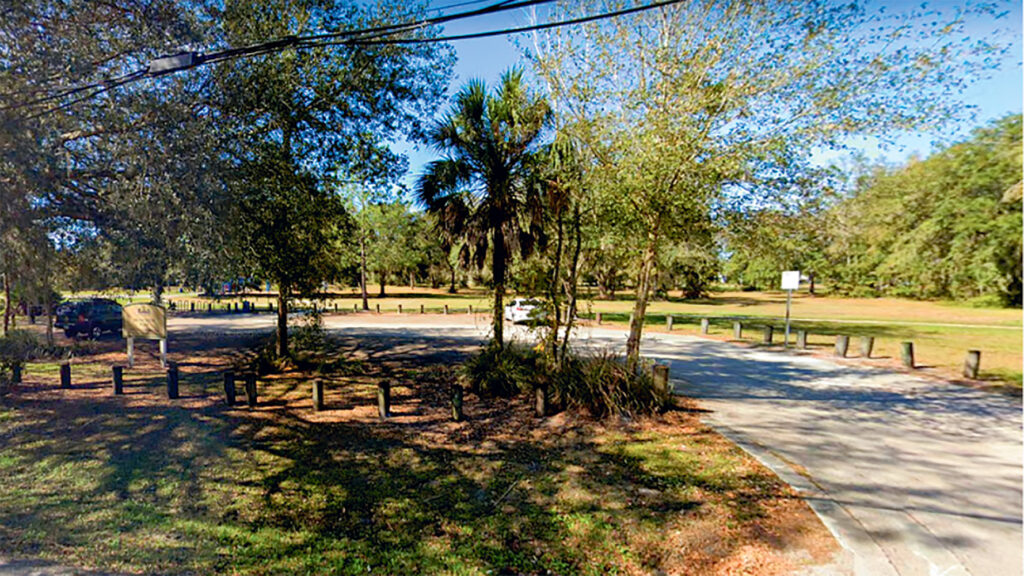
The park will replace the current Branchton Park, which sits on the southwest corner of Morris Bridge Rd. and Cross Creek Blvd. While the current park has an outdoor basketball court, playground and trails, it only has parking for roughly 10 cars and no bathrooms.
A Little History
In 2017, the county acquired four parcels of land totaling an additional 10 acres just south of the existing Branchton Park. The newly acquired land will be home to the new park, which will be developed in two phases.
Branchton Park
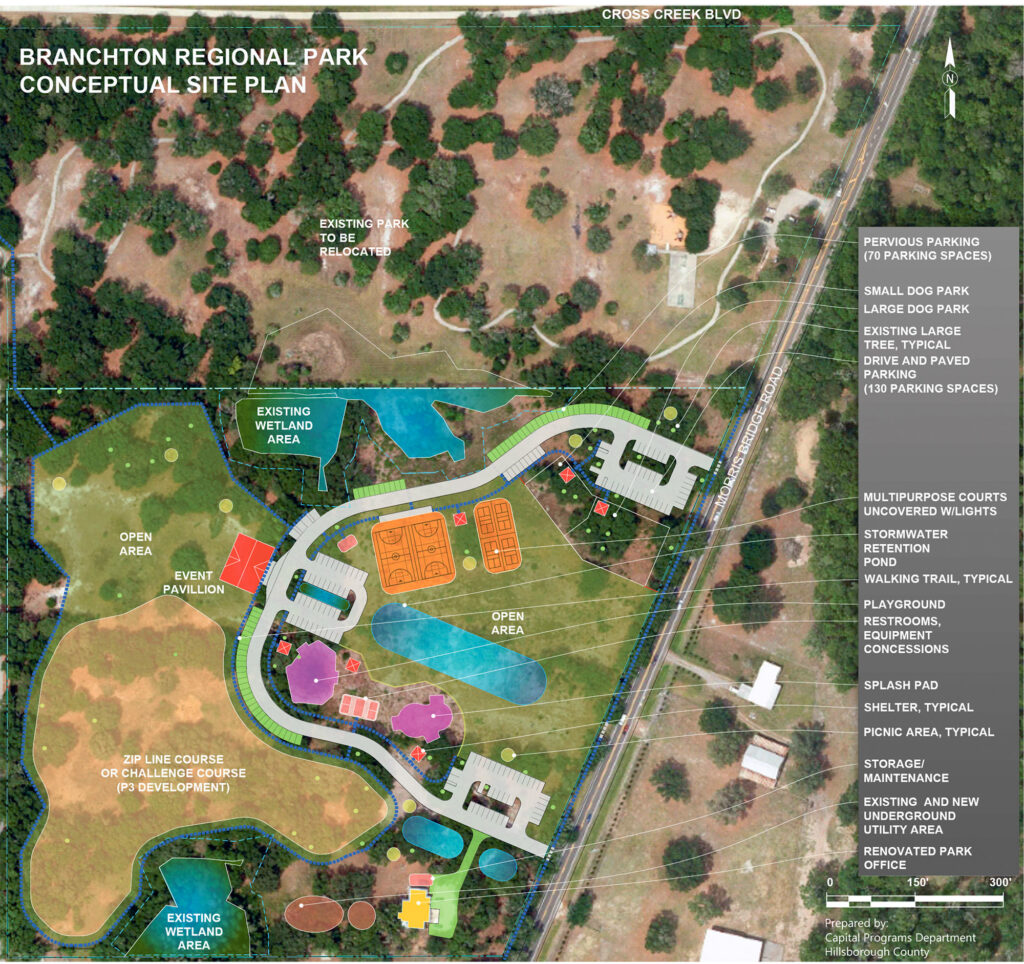
The first phase of construction includes 130 parking spots, walking trails, two dog parks, restrooms, shelters, four pickleball courts and a multipurpose court that can be configured as two basketball or two volleyball courts, according to a conceptual site plan provided last year.
The separate dog parks for small and large dogs will include shelters, benches, dog agility equipment, water and wash stations.
The new park also will include a playground and a splash pad.
Hagan says he has already secured the $6.1 million to construct the first phase in previous county budgets.
He added that he also has talked with Hillsborough County Sheriff Chad Chronister about building a mini-substation at the park, and that Chronister was in favor of that possibility.
“He likes the idea,” Hagan says. “I spoke to him about it and we agree that it would help increase the Sheriff’s Office’s presence around the park and also increase its presence throughout New Tampa.”
Although nothing has been formalized, Hagan also says that there also has been continuing conversation with private sector companies about a possible public-private partnership (PPP) about a zip line or “challenge” course for the park, perhaps in Phase 2.
The county already has completed the public survey portion of the project. Last year, nearly 500 people responded online to a survey with their requests for what they would like to see the park include. Many of the residents’ choices are included in the plans, according to the county’s website.
Plans to build some kind of new park in the Branchton area have circulated in Hillsborough County for years, going as far back as 2005 when the county had plans to build an athletic complex south of the existing Branchton Park. Those plans, however, never materialized.
As for that old Branchton Park, it will remain intact for the most part, but Hagan envisions re-developing it into a business center that could include a sports bar and other restaurants.
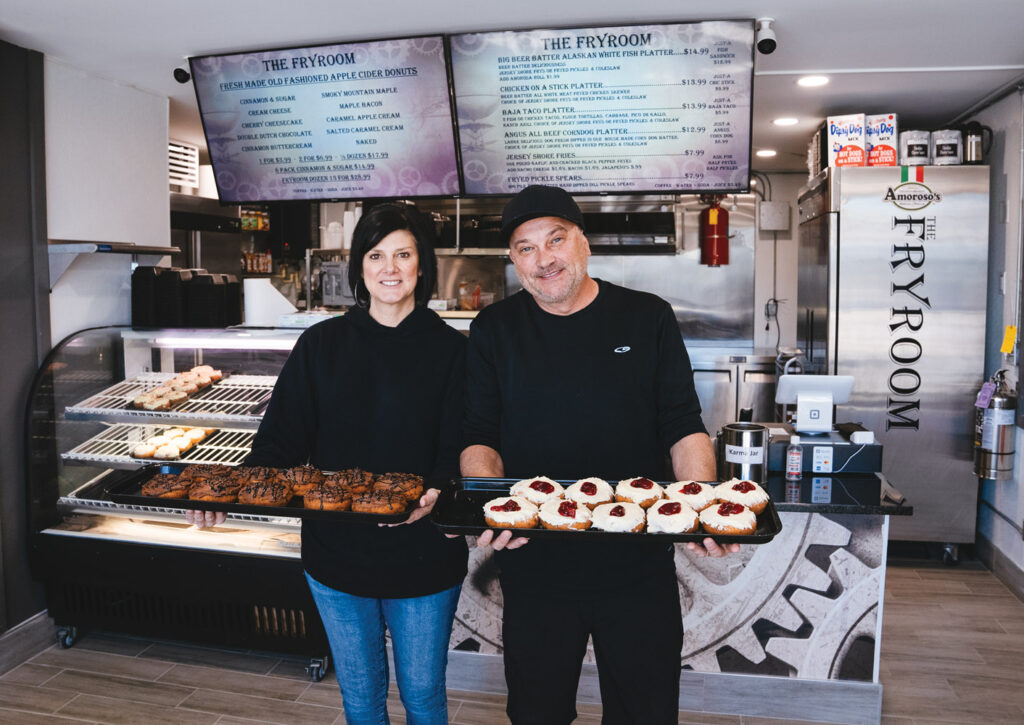
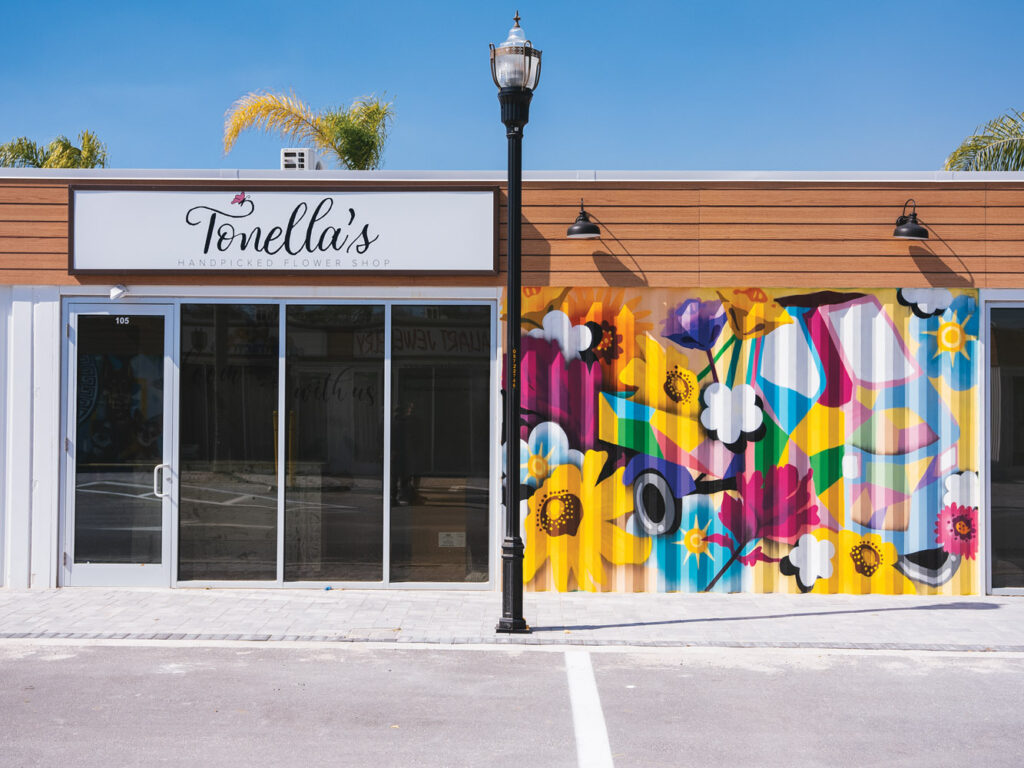
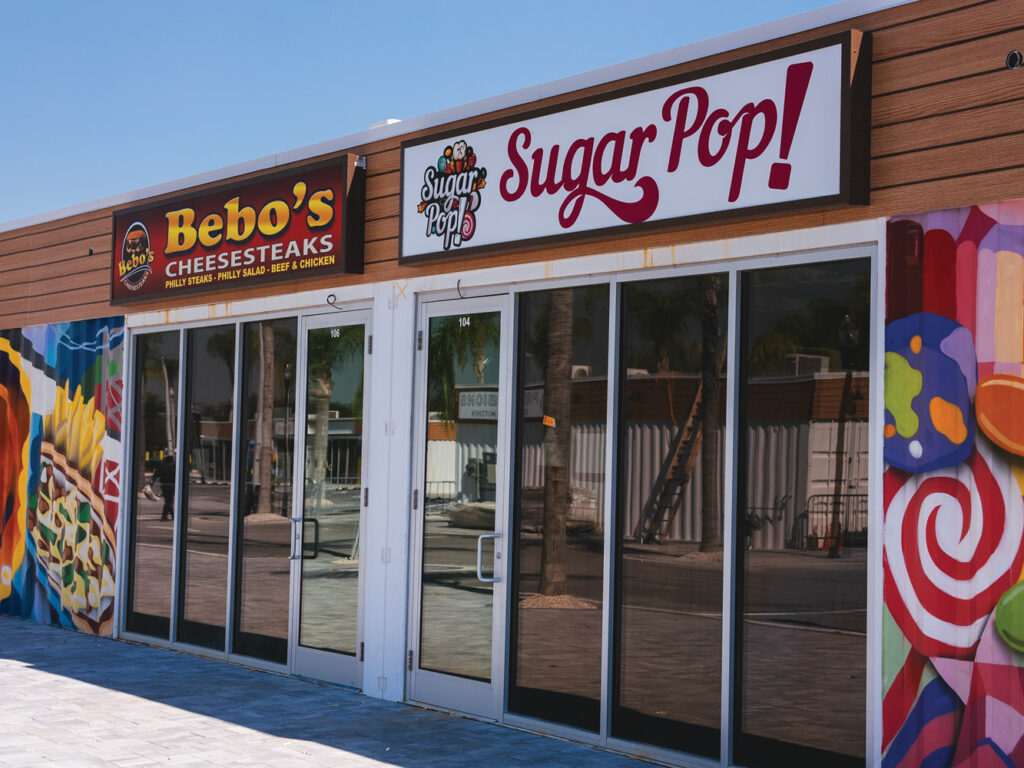
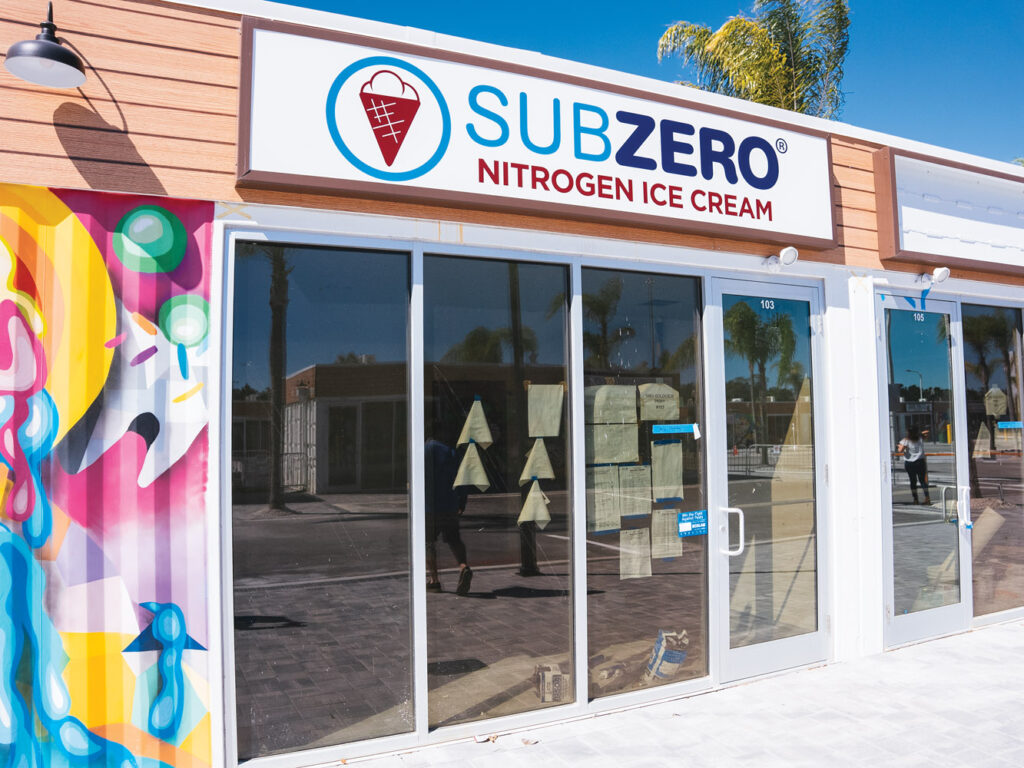
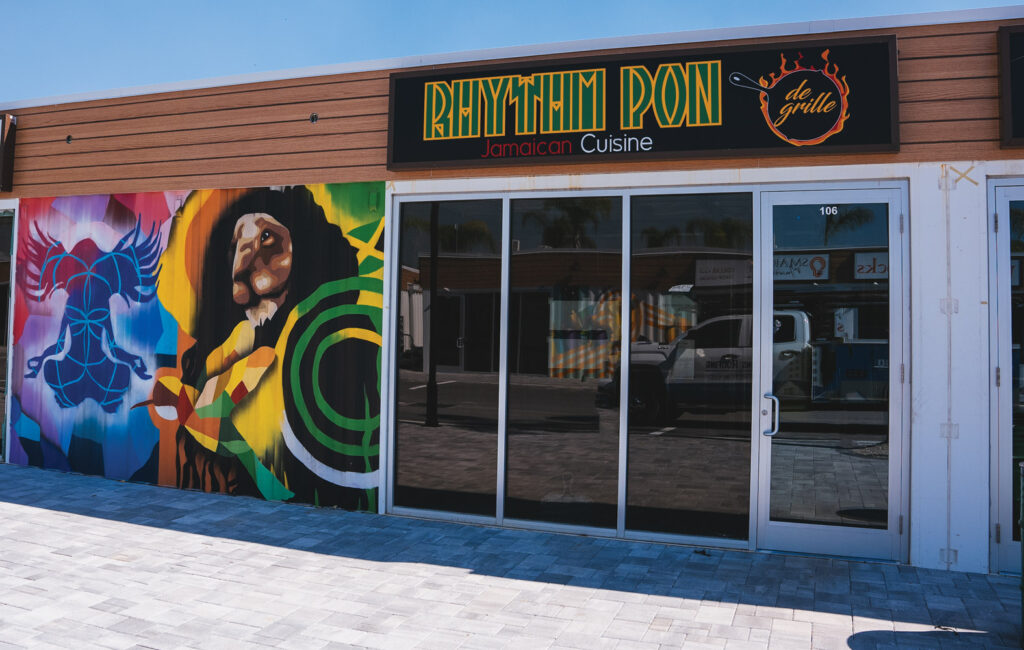
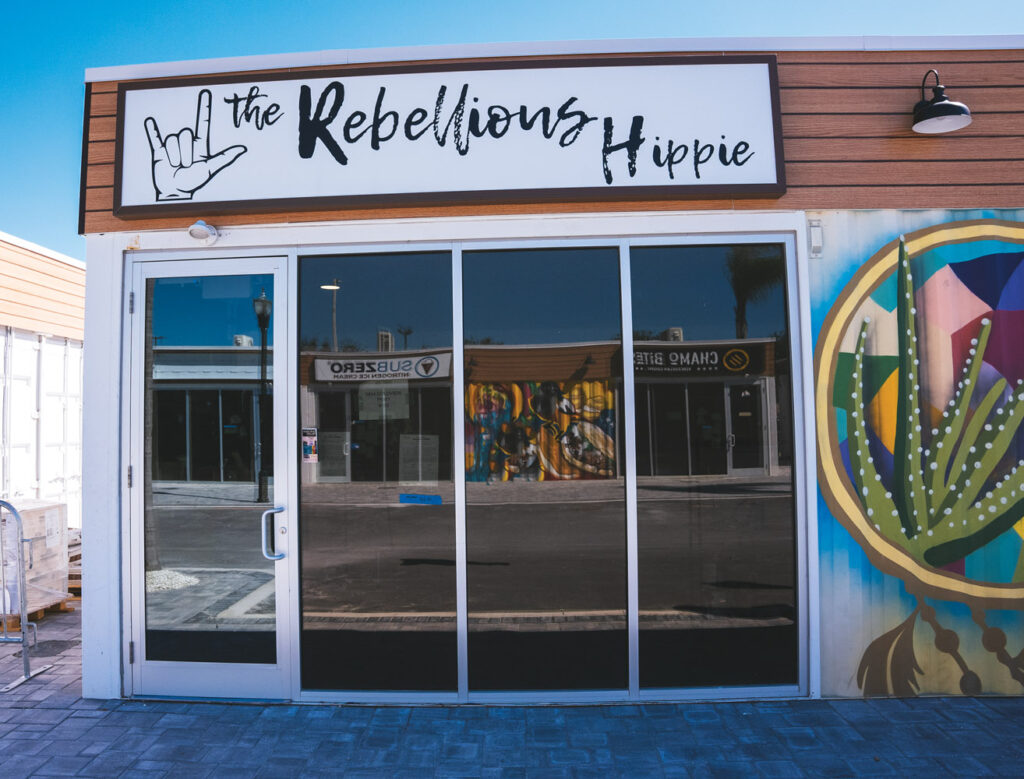
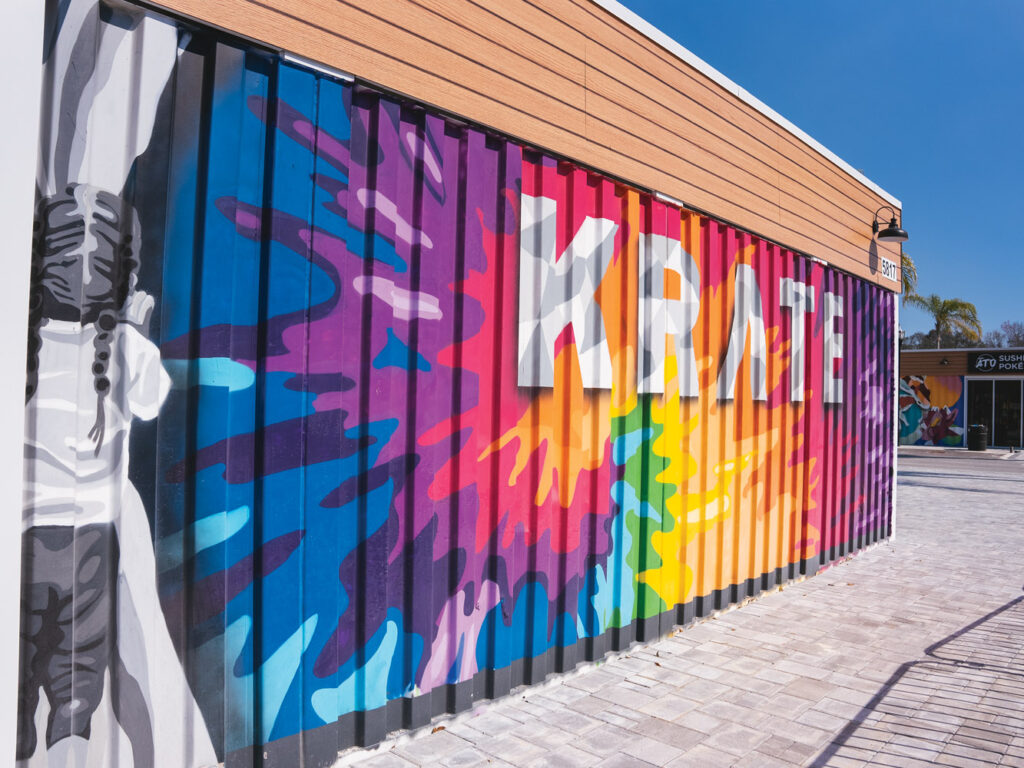
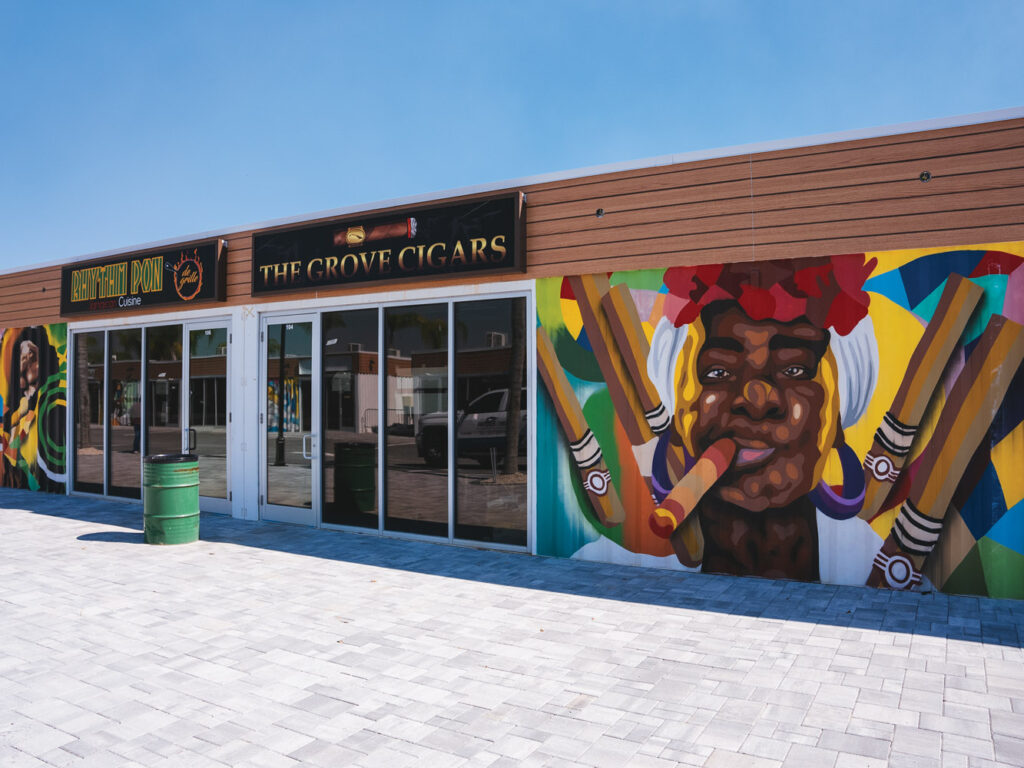
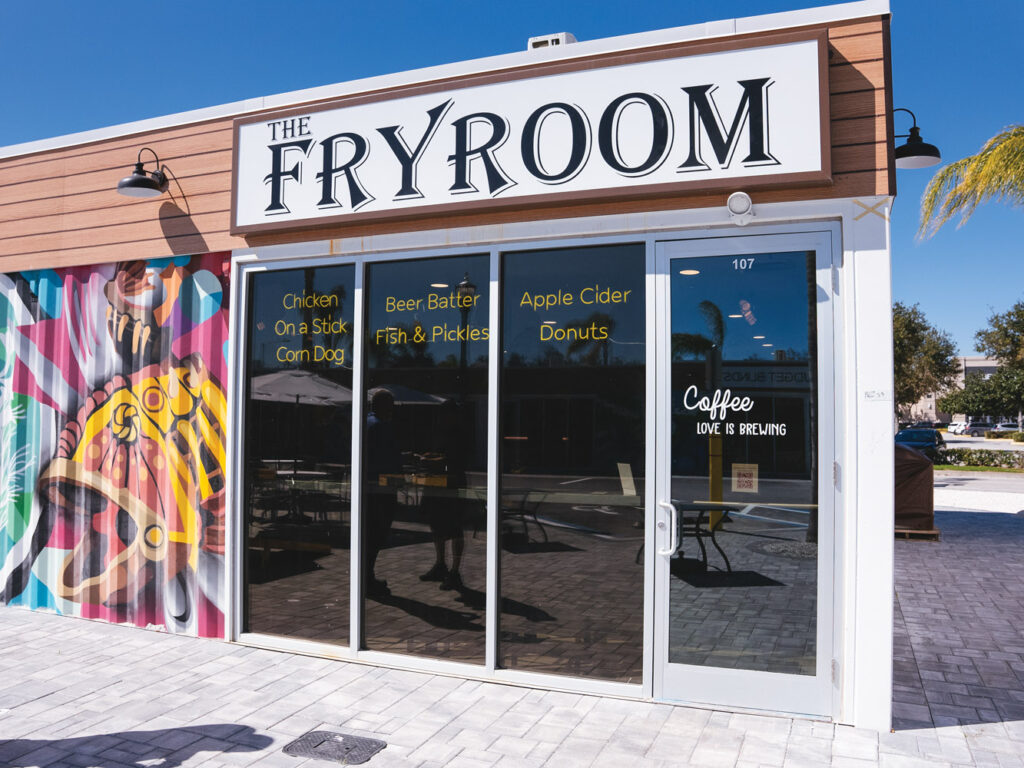
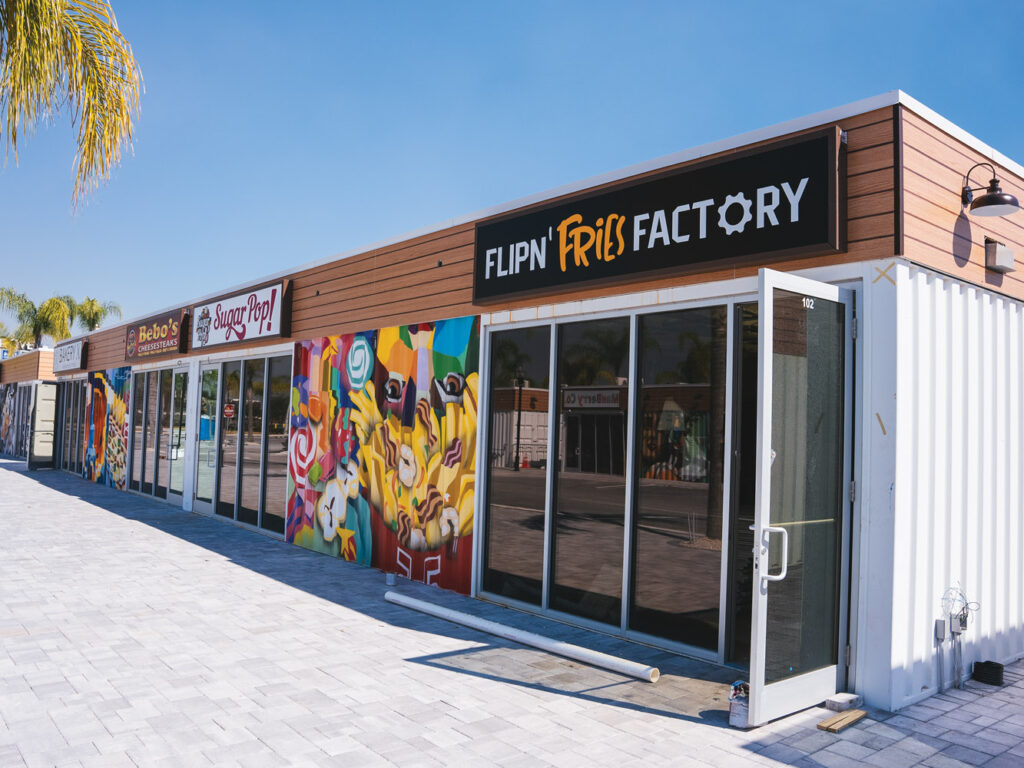
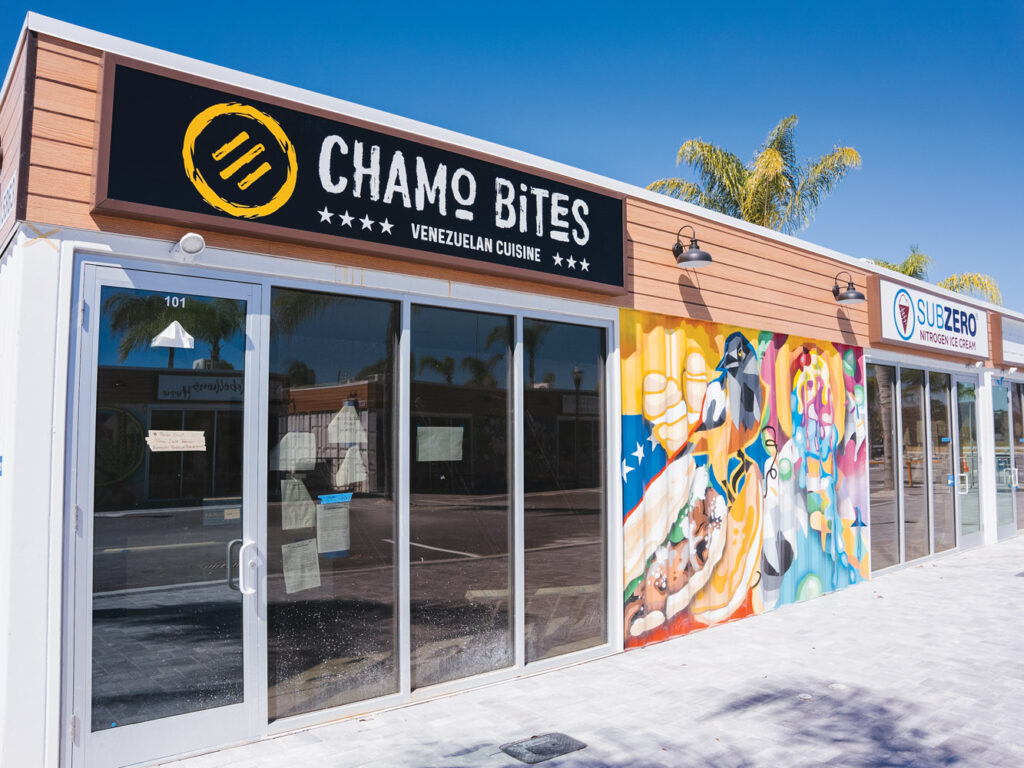
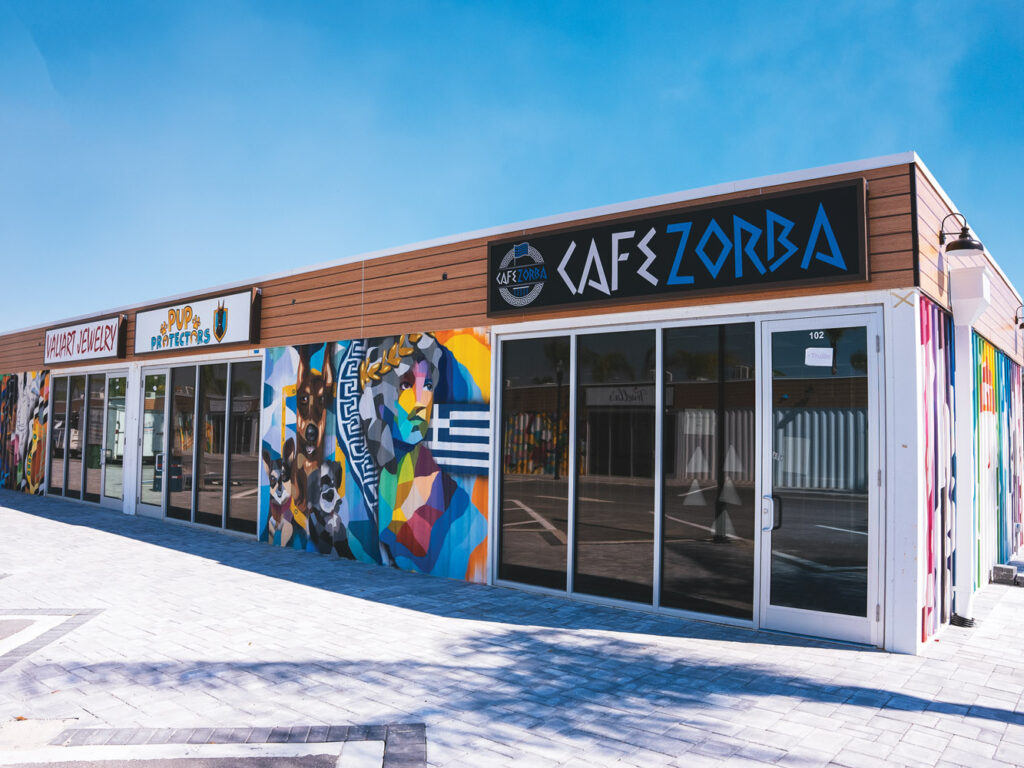
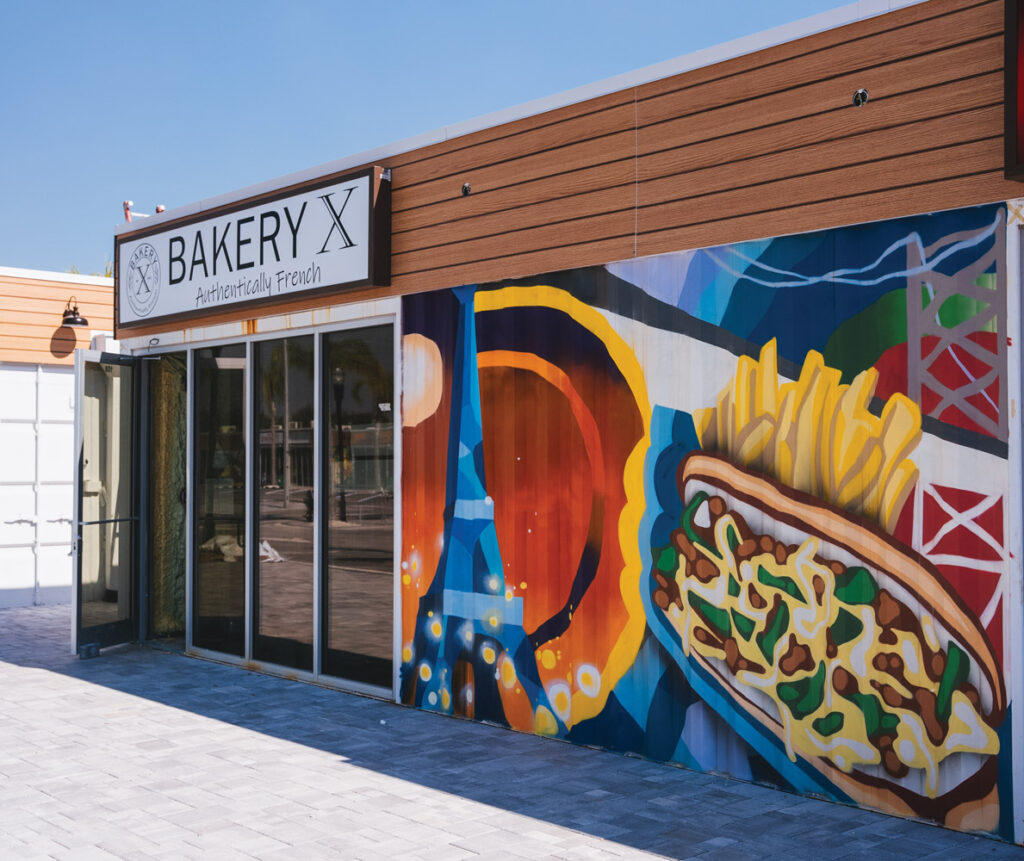
Although a lot more signs announcing places set to open have gone up at the KRATE Container Park, the only additional restaurants to open by our press time are The Fry Room, El Prince Mediterranean Cuisine & Palani’s Hawai’i Noodles. Other new eatery signs that have gone up since November include SubZero Nitrogen Ice Cream, Chamo Bites Venezuelan Cuisine, Bakery X Authentically French, Flipn’ Fries Factory, Rhythm Pon Jamaican Cuisine, Bebo’s Cheesesteaks, Sugar Pop! and Café Zorba.
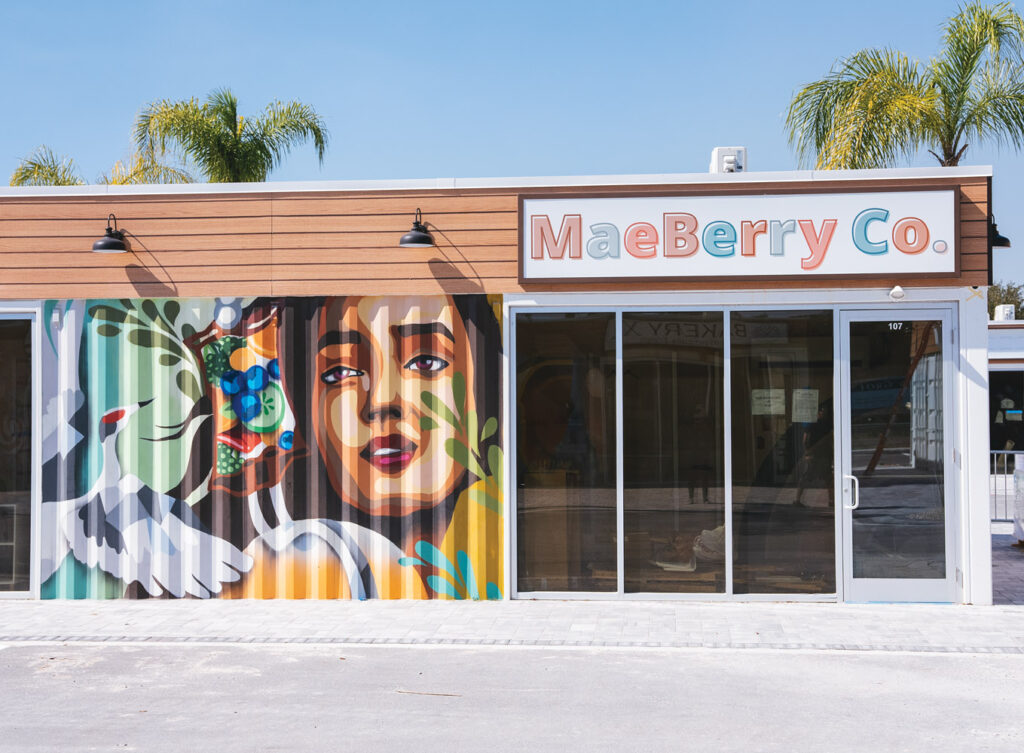
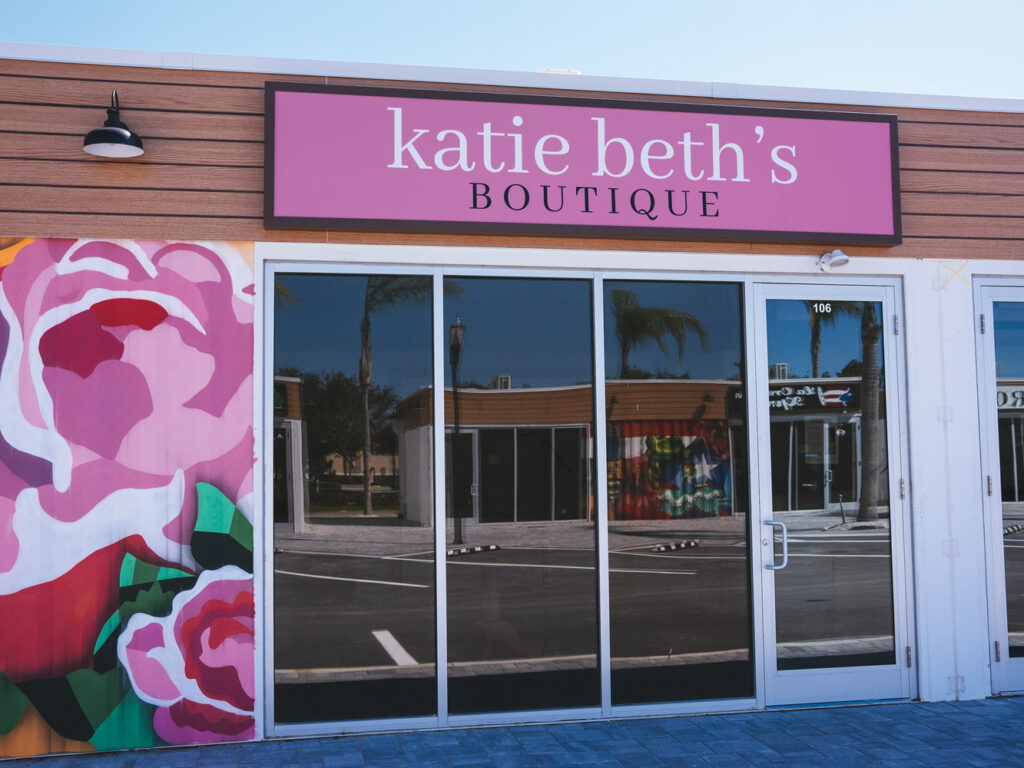
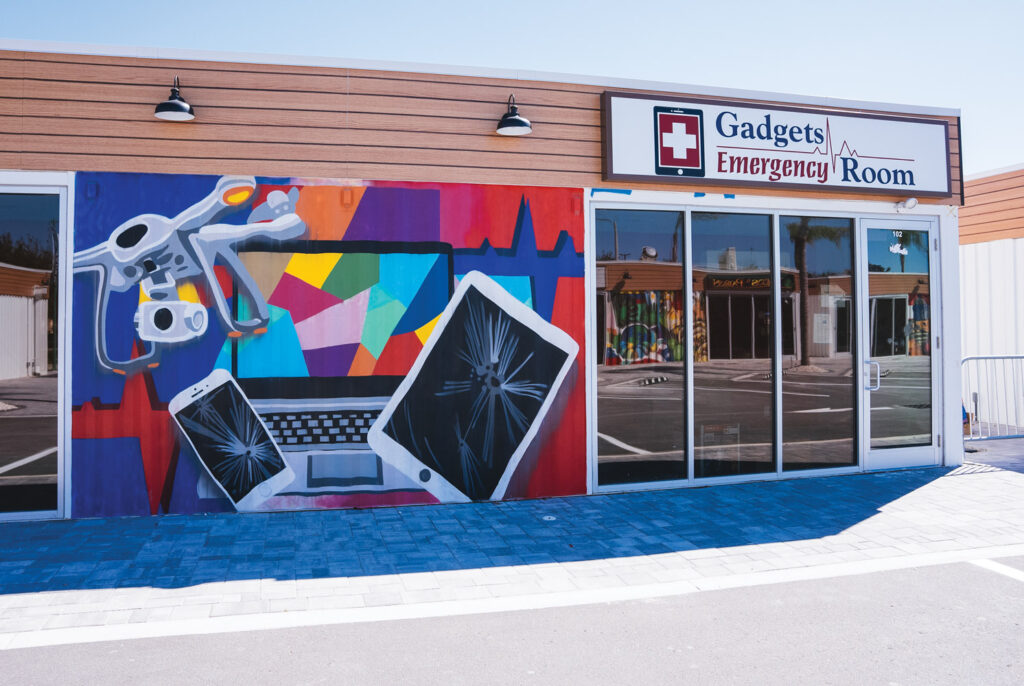
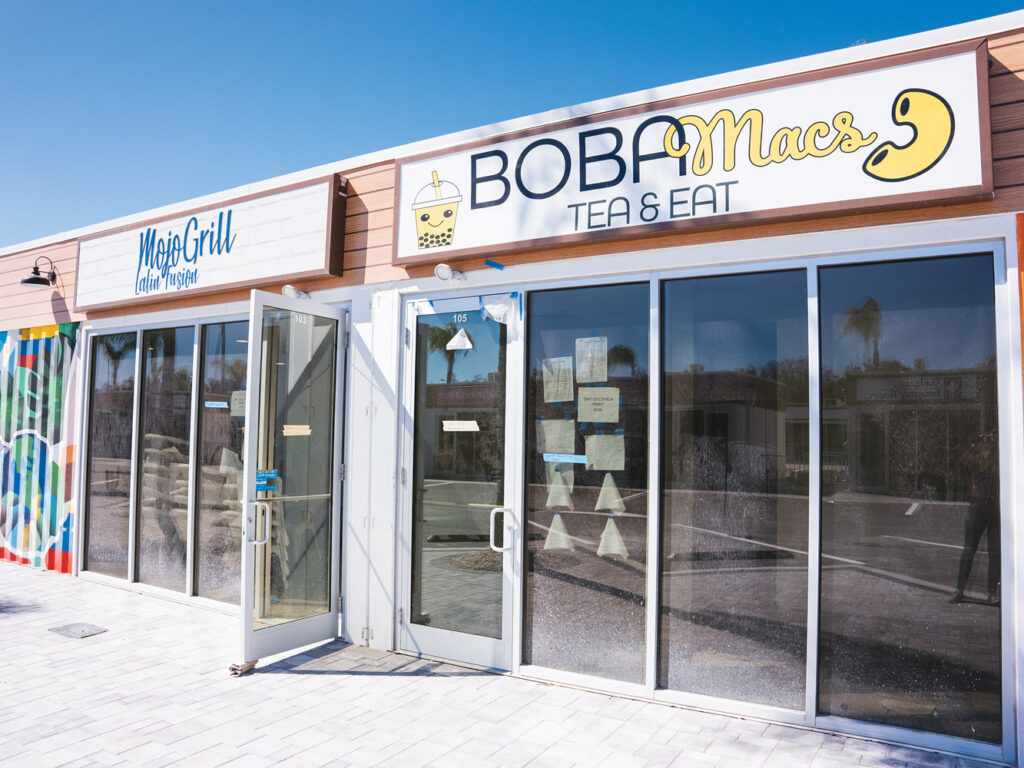
The KRATE Container Park, the long-awaited jewel of developer Mark Gold’s redevelopment of The Grove at Wesley Chapel, is really taking shape these days. On these pages is an update on all of the new signs that have gone up at KRATE since we told you about Provisions Coffee & Kitchen and the then-new Shake-A-Salad back in November.
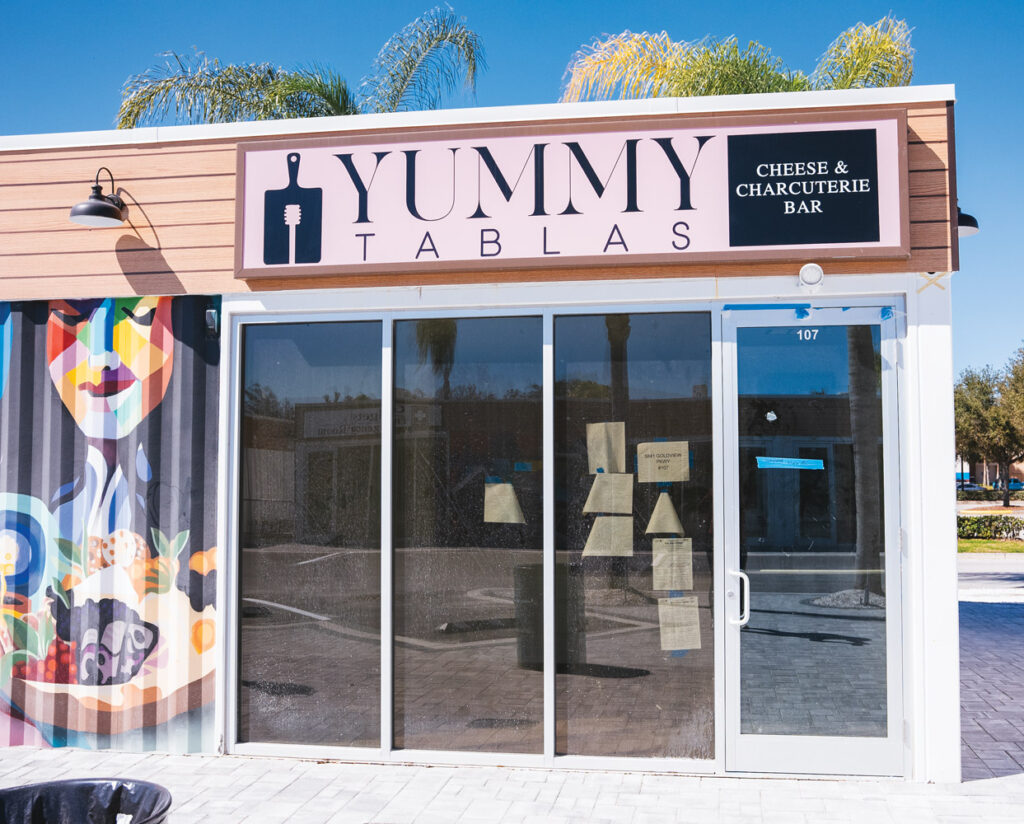
We also showed you pictures of and/or mentioned all of the dining- and/or drinking-oriented establishments that had their signs up at that time — Café 365, La Creacion Express Puerto Rican Bakery, The Bacon Boss, Mojo Grill Latin Fusion, TJ’s Famous Hot Dogs, Tacos el Patron, Åto Sushi Burritos & Poke Bowls, Palani’s Hawai’i Noodles, Tasty Ramen, The Fry Room, Urban Sweets, Yummy Tablas, El Prince Mediterranean, Blush Wine Bar, Boba Macs Tea & Eat and The Fry Room.
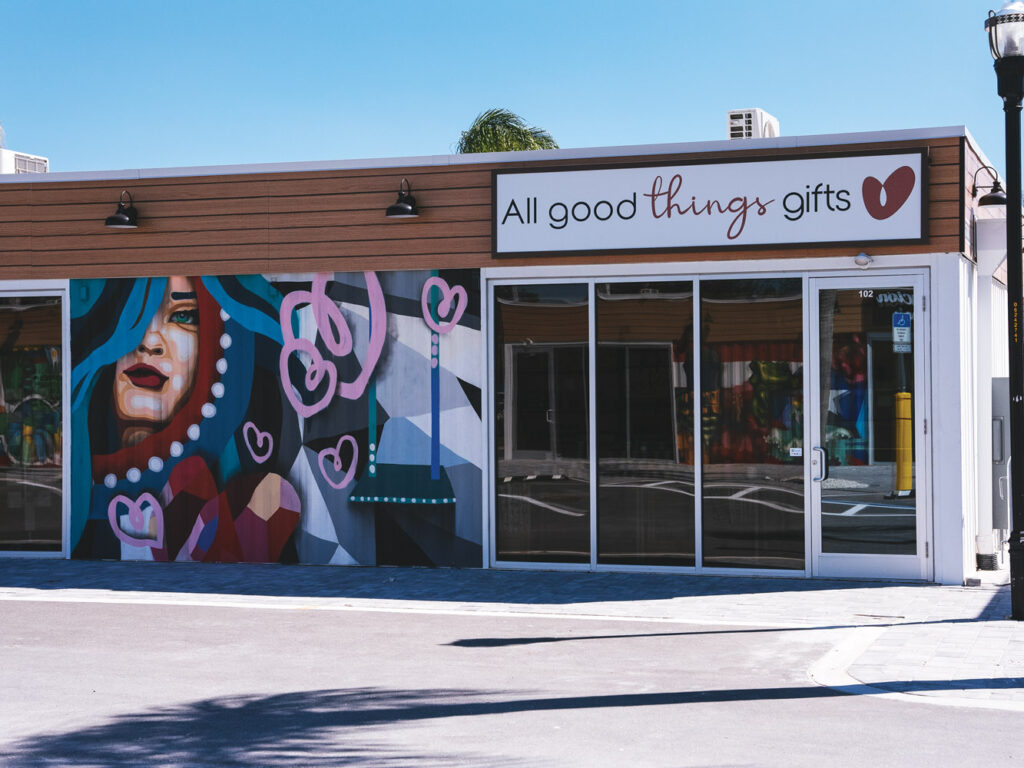
We also mentioned the other places with signs up that weren’t about food or drink — Center Ed Education, Reset Natural Remedies, We Rock Rocks, SmartStart Market Space, Budget Blinds, The Rebellious Hippie and All Good Things Gifts.
As we went to press with this issue, the only additional KRATEs that had opened since November were The Fry Room (we’ve sampled not only owners Donny & Lori’s delicious apple cider donuts, but also their crispy chicken tacos and French fries — all excellent), All Good Things and El Prince, as everything from Covid to supply chain issues have not only delayed the construction, the complete shutdown of the few parking spaces around the open KRATEs have had many people thinking that none of them were open.
Here are all of the additional eateries coming soon that we found: SubZero Nitrogen Ice Cream, Chamo Bites Venezuelan Cuisine, Bakery X Authentically French, Flipn’ Fries Factory, Rhythm Pon Jamaican Cuisine, Bebo’s Cheesesteaks, Sugar Pop!, Brew Bar, Pisco Express Peruvian Chinese Fusion Food and Cafe Zorba.
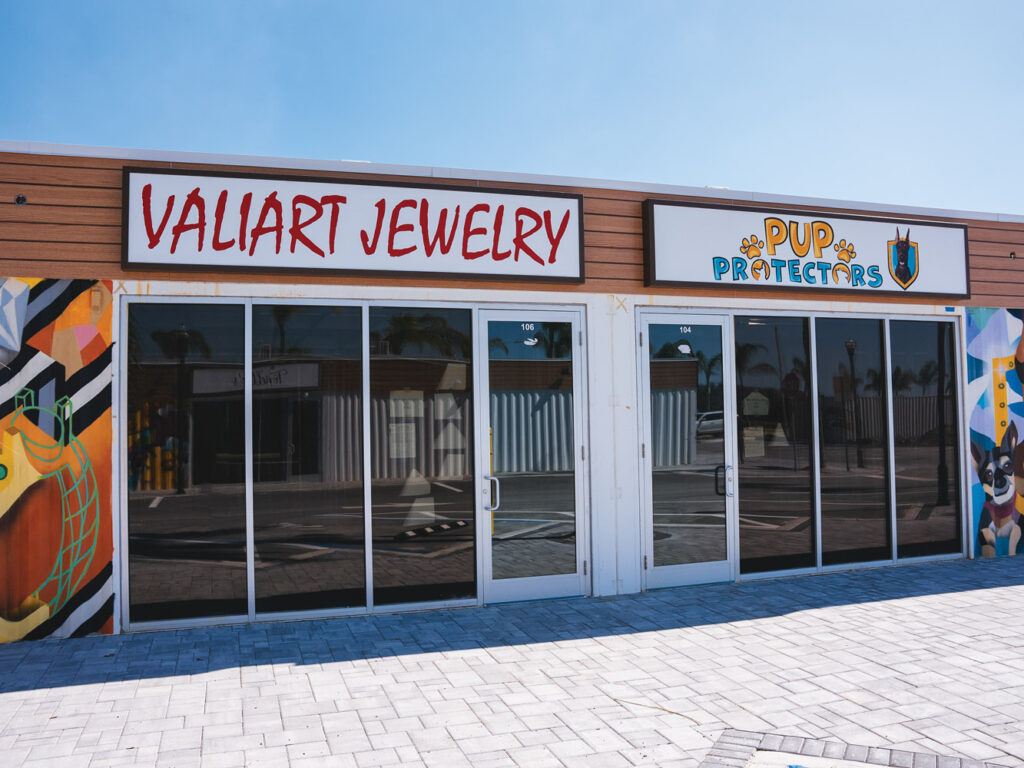
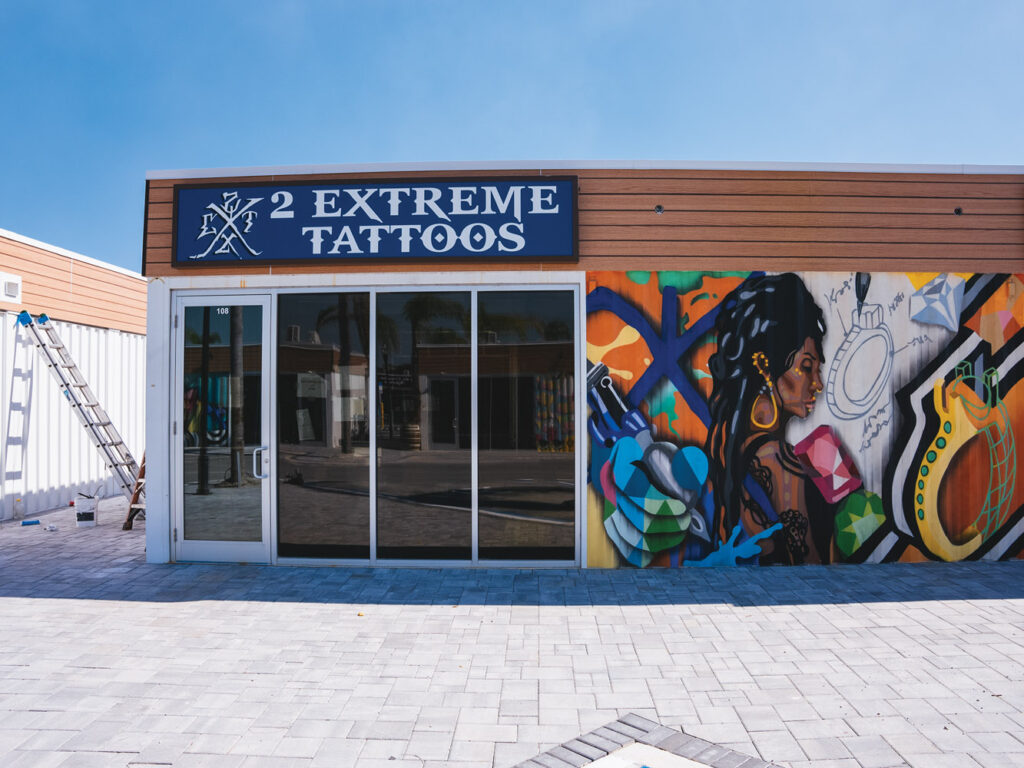
We’ve also included some of the signs for new stores and boutiques we hadn’t mentioned before, such as The Toy Jungle, MaeBerry Co., 2 Extreme Tattoos, Grove Cigars, Katie Beth’s Boutique, Tonella’s Handpicked Flower Shop, Valiart Jewelry, Pup Protectors and the second Wesley Chapel location of Gadgets Emergency Room. Are you excited yet? — GN