Super Hot Asian & BBQ Is Open In Former Fushia Location!
For those who have been waiting for something to open where Fushia Asian Bistro closed in the Shoppes at Amberly plaza in Tampa Palms, your wait is over.
The new restaurant is called Super Hot Asian & BBQ, and it also is Chinese/Asian fusion. We’ve only gotten to try a few menu items so far, but we definitely enjoyed the pan-fried gyoza dumplings (served by an actual robot server), as well as the Yangzhou (aka “Young Chow”) combo fried rice.
For more info about Super Hot (15317 Amberly Dr.), call (813) 680-4124 or visit https://superhot.kwickmenu.com/index.php. — GN
Kobé Re-Opening Delayed By Supply Chain Issues!
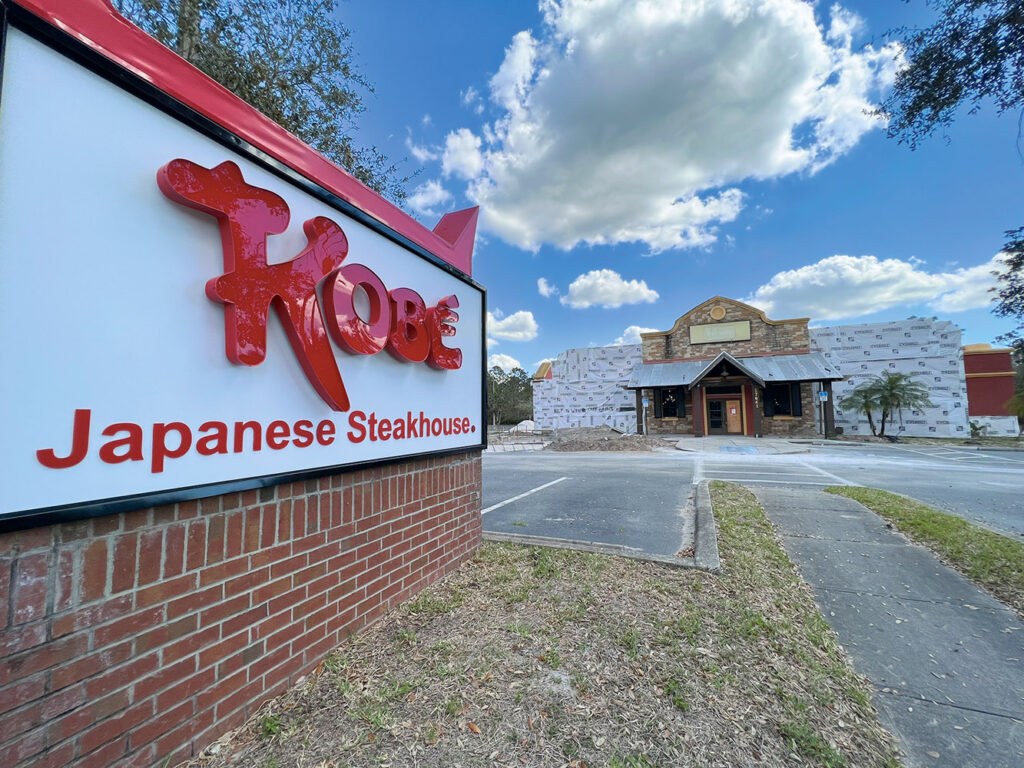
For those who have been waiting patiently for Kobé Japanese Steakhouse to re-open in its new location a mile or so south on BBD (in the former location of Vuelo and Señor T’s Mexican restaurants, and Romano’s Macaroni Grill before that), well, we’re sorry, but you’ll have to wait just a little bit longer.
According to Kobé spokesperson Hien Nguyen, the original hoped-for opening of as early as Dec. 2021 has had to be extended by several months.
“Unfortunately, construction is slower than expected, as supply chain delays for large equipment are stalling our progression.” says Nguyen. “We can’t move forward until some of these items are delivered. Unfortunately, we do not have an exact date, but hopefully in a few months if some of these items can be delivered soon.”
If you’ve driven by the site of the future Kobé, you’ve probably noticed that a tremendous amount of exterior work has been done, but that it definitely has stalled in recent weeks.
We know our readers are excited about the re-opening of Kobé, so be sure to keep checking these pages for further updates.
Unfortunately, we also haven’t received, seen or heard any updates about when Hungry Crab Juicy Seafood & Bar is expected to open in the former Kobé location in front of the Pebble Creek Collection, also on BBD.
In fact, unlike Kobé, which has had the monument sign in the picture up for several weeks, we haven’t even seen a banner sign yet for Hungry Crab, which has six other locations already open, the closest of which is in Largo and the furthest of which is in Brunswick, GA. The New Tampa Hungry Crab is one of three additional locations opening soon. — GN
Las Palmas Food Truck — Same Great Food, All-New Look!
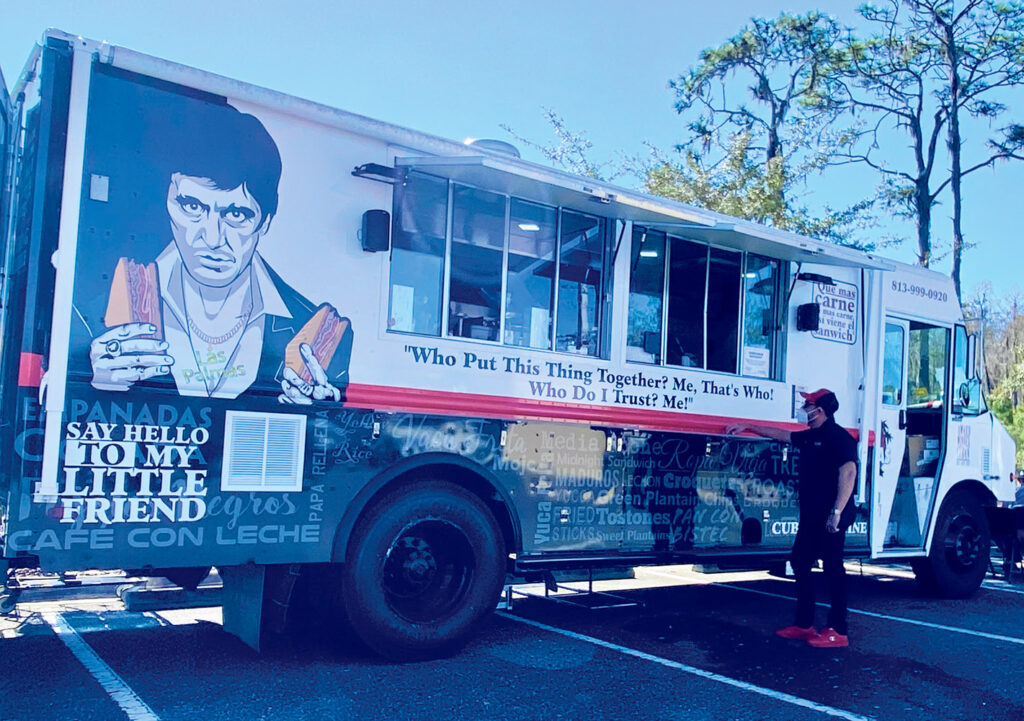
When last we checked in with our friend Ramses Garcia, the owner of Las Palmas Latin Grill (which was shuttered by a fire in its storefront location on Oct. 11), he had just recently opened the Las Palmas Food Truck, which was just a plain white truck Ramses had renovated so he could continue serving his authentic Cuban cuisine in the same parking lot while rebuilding his popular eatery.
Well, since then, Ramses has added a custom exterior wrap to the truck, complete with a caricature of Al Pacino’s character and his famous line from “Scarface” — “Say Hello To My Little Friend.”
Yes, the revamped truck looks great, but it’s still the food Ramses and his wife Ana serve inside that’s the most important thing. Whether you crave award-winning Cubans, amazing roasted pork, grilled chicken breast, deviled crab or Ana’s Tres Leches dessert, visit LasPalmasLatinGrill.com to order your favorites today — and please tell Ana and Ramses I sent you! — GN
Wharton High Baseball Primed For Another Big Season
Michael Burgess was content to be an assistant coach on the Carrollwood Day School staff for the 2022 high school baseball season. But, when the Wharton High head coaching job unexpectedly opened up, Burgess figured it was too good to pass up.
“I really just wanted to be a hitting coach,” Burgess said. “But then, this job just fell into my lap so I thought, why not? It’s a great opportunity to get some coaching experience and help prepare guys for the next level.’’
Burgess, 33, takes over for Scott Hoffman, who spent 18 years as the Wildcats’ coach, winning 267 games, including last year’s District championship. Burgess inherits a team that went 21-5 and returns several key players. Not that he’s had much time to get to know his players — Burgess was hired only about a month ago and has had to hit the ground running, as the Wildcats are off to a 4-1 start.
Burgess is no stranger to Hillsborough County baseball, however. He was a star outfielder at Hillsborough High and helped the Terriers reach the State championship in 2006. In 2007, after a stellar senior season, he was selected in the supplemental first round of the 2007 Major League Baseball draft by the Washington Nationals as the 49th overall player selected.
While Burgess never played in a major league game, he did manage to have a 12-year professional career. He played a total of 1,256 minor league games for four different Major League Baseball organizations (Nationals, Chicago Cubs, Houston Astros, and Baltimore Orioles), in the Mexican League as well as the Independent League, hitting a total of 185 home runs before retiring in 2018.
He returned to Tampa, but hadn’t gotten baseball out of his system.
“It’s going to be a fun and great experience,’’ Burgess says of coaching the ‘Cats. “I’ve been down this road once before in high school. I’m familiar with all the competition. I can’t hit for the guys though. They’re always asking me, ‘Hey coach, you think you can beat such and such in a home run derby?’ I just tell them, ‘Y’all have no idea what I can do.’’’
Burgess will have several top-notch players returning from last year’s playoff team as his nucleus.
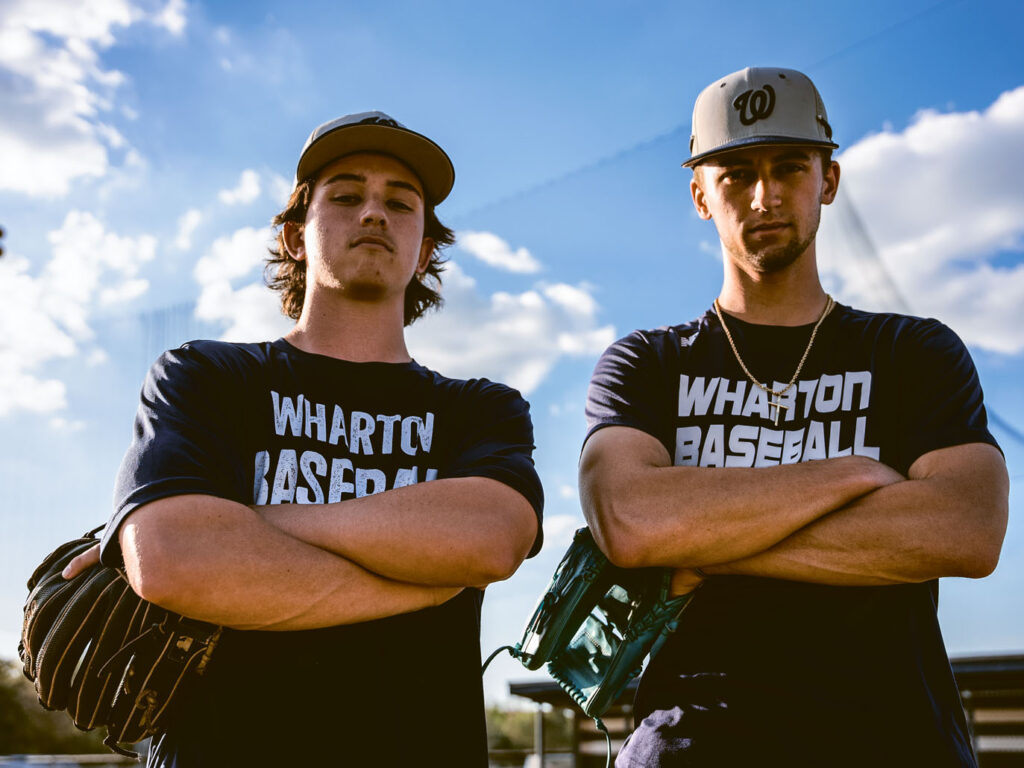
Senior pitchers Evan Chrest (left) and Ryan Fry.
It starts with the one-two combination of senior pitchers Ryan Fry and Evan Chrest. Both are right-handers who combined to win 14 games last season. Fry, who is committed to University of Miami, was 6-1 with a 1.88 ERA last season, and struck out 12 in six innings to get a 2-1 win in the 2022 season opener. Chrest, a Jacksonville University commit, was 8-2 with a 1.93 ERA last season.
So far this season, the Wildcat duo has combined for. awhopping 42 strikeous in 22 innings, and only allowed five earned runs.
Burgess expects left-handed seniors Vijay Wadhwani and 6-foot-7 Jaythan Wilson to provide relief for his two starters.
“We’ve got two horses coming back,’’ Burgess says. “They have a dog mentality on the mound and throw a lot of strikes. We’re going to ride those guys all season. We have some guys who are going to come in on the back end and close out some games.’’
Offensively, senior Elijah Dukes is primed for a breakout season, and opened the 2022 season with a homer after leading the team last year with four (to go along with 24 RBI). Through five games, Dukes is hitting .429 with two homers.
The son and namesake of the former Tampa Bay Devil Rays and Hillsborough High standout, Dukes is a 5-foot-11, 240-pound prospect who can play the infield or outfield.
Burgess has known Dukes since he was born and has watched him grow up.
“I keep an eye on him and help him with his swing,’’ Burgess says. “His swing is very similar to mine. I’d say almost identical. I can really help him stay under control.
“He’s got some high expectations. He has pop to all fields. He can run. He’s not as fast as his dad, but he can run. He has good hands. We’re going to try to get some great things out of him this year.’’
Dukes won’t be the only bat to deal with for Wharton. Fellow seniors Billy Eich, a 6-6 first baseman and the Wildcats’ leading returning hitter after batting .360 last year, Quentin Meadows (14 RBI last year. andalready batting .538 this year) and David Limbach (who is on pace to better last year’s .315 BA and 20 RBI) are all expected to provide offense. With 11 seniors on the roster, expect the Wildcats to make a lot of noise in Class 6A for the next three months.
“We’re just looking for a couple of guys to step up,’’ Burgess said. “Once those couple of guys step up it’s going to be a great season.’’
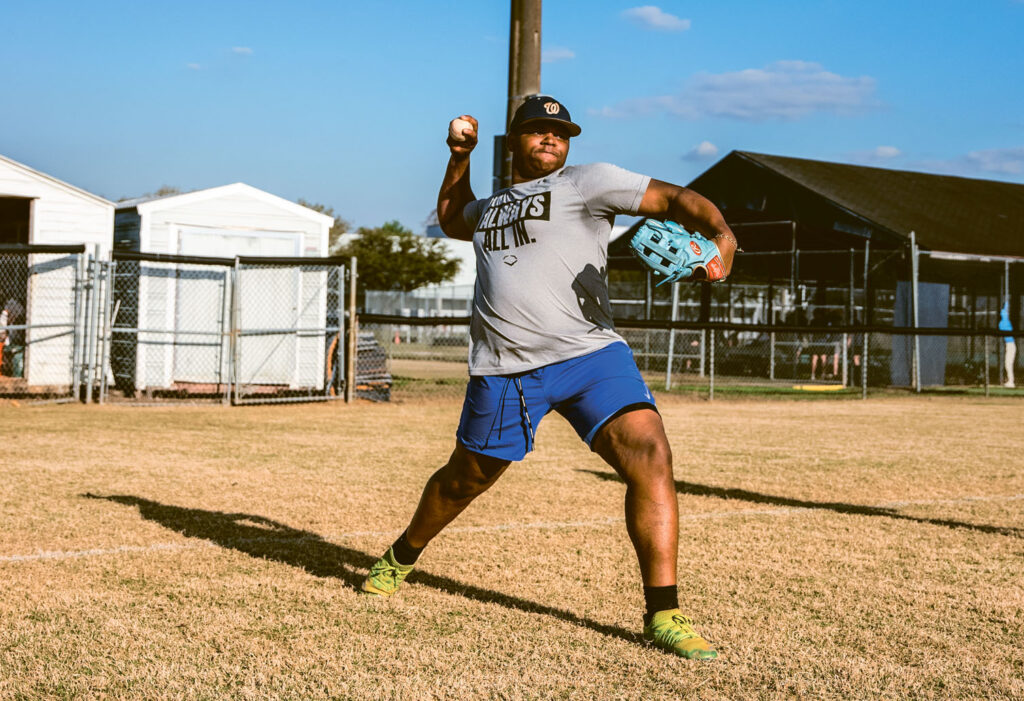
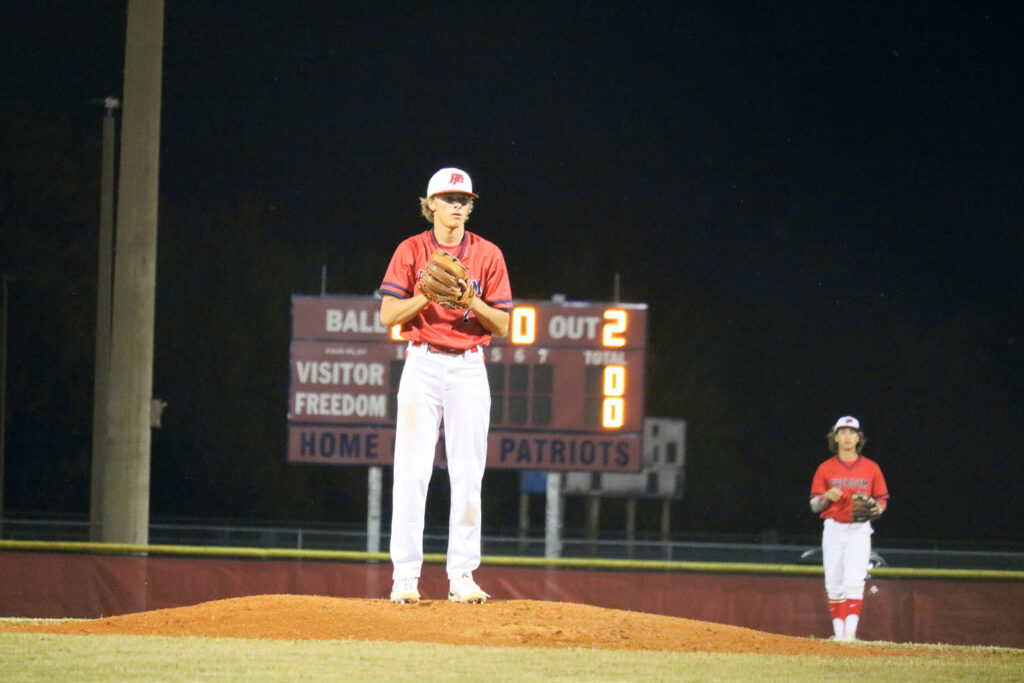
Evan Mobley
FREEDOM BASEBALL PREVIEW
COACH: Tripp Merrell (fourth season)
LAST SEASON: 12-13 (5-4, third place in Class 5A, District 6)
BREAKOUT STAR: In his first game as a member of the Patriots, Evan Mobley threw a shutout in a 6-0 season-opening win over Alonso, and hasn’t allowed an earned run in two appearances. The Tampa Bay Tech transfer certainly got off to a good start and will be counted on to eat up innings this season. He also will play the infield when not on the mound. Mobley hit a team-best .340 for the Titans in 2021.
OUTLOOK: This is the fourth season for Merrell, which means this will be the first class he has coached from freshmen to seniors. The Patriots are already off to one of their best starts ever at 4-1.
There are eight seniors on the roster and plenty of depth in the lineup, and his top five returning offensive players are top hitter Raul Olivera (.430, 34 hits, 13 RBI, six doubles — all team bests in 2021). Through the first five games, freshman Bryce Nanns, junior Gio Mendoza, senior Lucas Richardson, Olivera and Mobley all have four RBI each.
In addition to Mobley, senior Michael Morrison, junior Joey Wey and senior Marshall Chastain (who has 12 strikeouts in 10.2 innings this season) should provide pitching depth.
One of the difficulties for the Patriots almost every season is the competition. District 5A-6 includes perennial Tampa powers Jesuit, Jefferson and Hillsborough. But, with a veteran roster, Freedom has as its best chance in recent memory to compete with those top-tier teams.
COACH SAYS: “There is a lot of optimism going through this program right now. We’ve got seven of our nine offensive starters returning, we’ve got a deep pitching staff. If we can improve on what we’ve been working on during the offseason then we should be in pretty good shape. Our district is very tough, but that’s Hillsborough County baseball. It’s a challenge every year.” — Freedom baseball coach Tripp Merrell
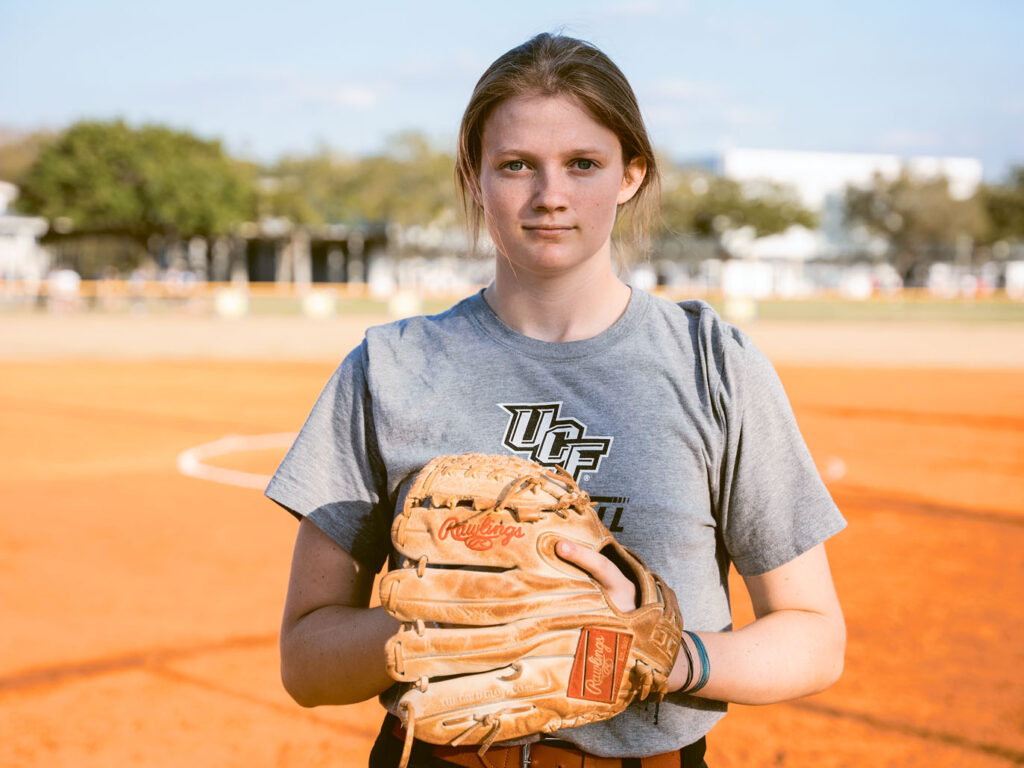
BREAKOUT STAR: As the only returning pitcher with any experience, senior Riley Collins will be heavily relied upon. She threw 104 innings as a junior and had a 3.62 ERA. She struck out 40, so she will have to increase that total this season. Collins, who also hit .244, will be asked to throw strikes and should have a better defense behind her this season. She was 6-11 as a junior, but she could easily completely flip that record this season.
OUTLOOK: Lamb, who missed the Covid-shortened 2020 season due to maternity leave, had a hard time fielding a team in 2021. But, at least she fielded one — this year, Freedom High will not have a softball team, due to a lack of players.
Although Lamb’s best player, Tieley Vaughn, is now at USF after rewriting much of the school record book, the roster is fuller and Lamb says she has depth and has improved at just about every position. Junior Lexi Cowles may have been overshadowed, but she was outstanding last year, leading the team in doubles (7) and RBI (28); she also was second in hits (27), runs (20), triples (3) and home runs (3). She is off to a hot start this season, hitting .562 with two doubles and home run in the early going.
Senior infielder Isabella Rittle is hitting .417 and already has two homers, the first of her varsity career.
Lamb says she also is very impressed with freshmen Lopez and Leyva, and Loomis could pick up some innings to give Collins a breather.
COACH’S QUOTE: “There is definitely optimism this season. We had so many more girls try out this season than last season. We were so scarce on numbers. But now, it’s very encouraging. We are trying to win the District (6A-6). That is definitely a goal.’’ —Wharton softball coach Amber Lamb
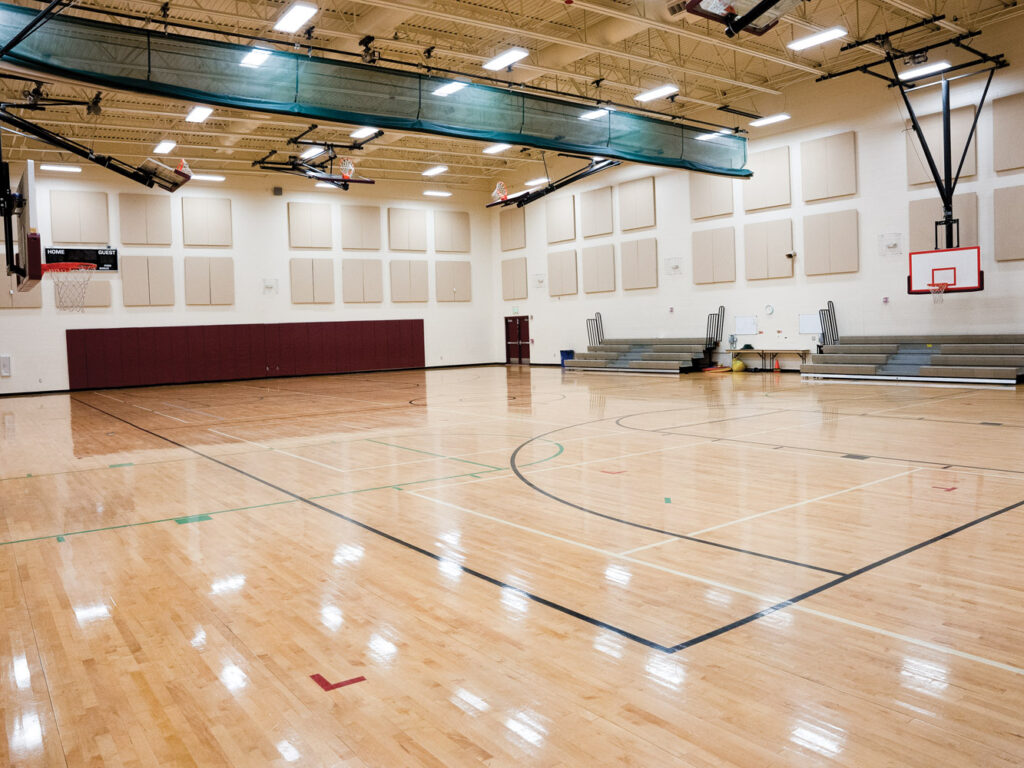
A potential recreation center at Cross Creek Park near Pride Elementary would likely be modeled after the Northdale Park & Recreation Center (above), Northdale, with indoor basketball/volleyball/pickleball courts and meeting rooms, as well as outdoor courts and a splash pad. (Photos: Charmaine George)
New Tampa does not lack for amenities, but if you don’t live in one of the many gated communities, your chances of actually using them usually depends upon an invite from someone who does.
Aside from being a member of the New Tampa YMCA or living in Cory Lake Isles, Arbor Greene, Hunter’s Green, Pebble Creek, Tampa Palms or West Meadows, it can sometimes be tough to find a place to play.
If District 2 Hillsborough County Commissioner Ken Hagan gets his way, however, there will be another option available.
The county is about to begin, according to the commissioner, the process of building the first public gymnasium at Cross Creek Park in New Tampa, adjacent to Pride Elementary and just off Kinnan St.
While New Tampa has a YMCA (which requires a membership to use) and the New Tampa Recreation Center (which is tailored towards dance and gymnastics), there is no indoor gym or recreation center that caters to basketball, volleyball and pickleball players, to name a few sports that Hagan envisions being played in the new facility.
“We have the Y, we have some school gyms and the city has the gymnastics center, but this will be the first gym that’s open to the public,” Hagan says. “This would fill a much-needed void that exists in New Tampa.”
The facility would be modeled after the other gymnasiums built by the county, and Hagan says it would likely compare to the Northdale Park & Recreation Center in Carrollwood. It would include multipurpose indoor courts and meeting rooms.
Currently, Cross Creek Park has a playground, a small pavilion area, two basketball courts that are showing their age, and two baseball fields that have not been manicured in years — the dirt on the fields is mostly overgrown with grass. There are no bathrooms (one portable potty, sometimes two, fill that need) or water fountains. It remains, popular, however, on the weekends.
The entire park would be upgraded. The baseball fields might be built over, and a new playground and updated outdoor basketball courts could be part of the package.
“We’re looking at doing a splash pad there as well,” Hagan says. “And the parking lot would be upgraded, which would improve access to the school.”
Hagan said while the facility would also provide morning programs for seniors, open basketball and volleyball play in the evenings and plenty of league play as well, the proximity to Pride also would open the center up for after-school and summer programs.
Hagan says one of the park directors with the county told him, “Trust me, it will be at capacity the day it opens.”
Hagan says he has secured $1.5 million for the project, and is looking at the rest of the funding to come from the American Recovery Plan Act (ARPA) federal funding. Hillsborough County received $285 million from the federal program.
“I anticipate it being fully funded this year and ideally breaking ground in the summer or fall,” he said.
The county could begin community outreach and virtual public meetings about the project sometime this month or next.
Chicken, Chicken & More Chicken? The Wesley Chapel area isn’t exactly lacking for chicken-oriented restaurants, considering the recent openings of Chick’n Fun, Zaxby’s and King of the Coop, as well as the now-under-construction Chicken Salad Chick. And, don’t forget chicken places that have been established in Wesley Chapel for years, such as PDQ, Popeye’s and Wing Stop.
But, it appears that we’ll still have to make room for another.
According to Pasco County permitting records, Slim Chickens met with county planners on Feb. 8 at a pre-application meeting, which generally allows prospective applicants to meet and discuss the specifics of their proposals.
A “quick look plan” presented to the county shows the 2,400-sq.-ft. restaurant (with 42 parking spaces) would be located on the southeast corner of Old Pasco Rd. and Wesley Chapel Blvd., west of Advance Auto Parts, and less than a 1/2-mile from Chick’n Fun.
The plans also include a 1,406-sq.-ft. auto service center, which would be in between the Slim Chickens and Advance Auto Parts.
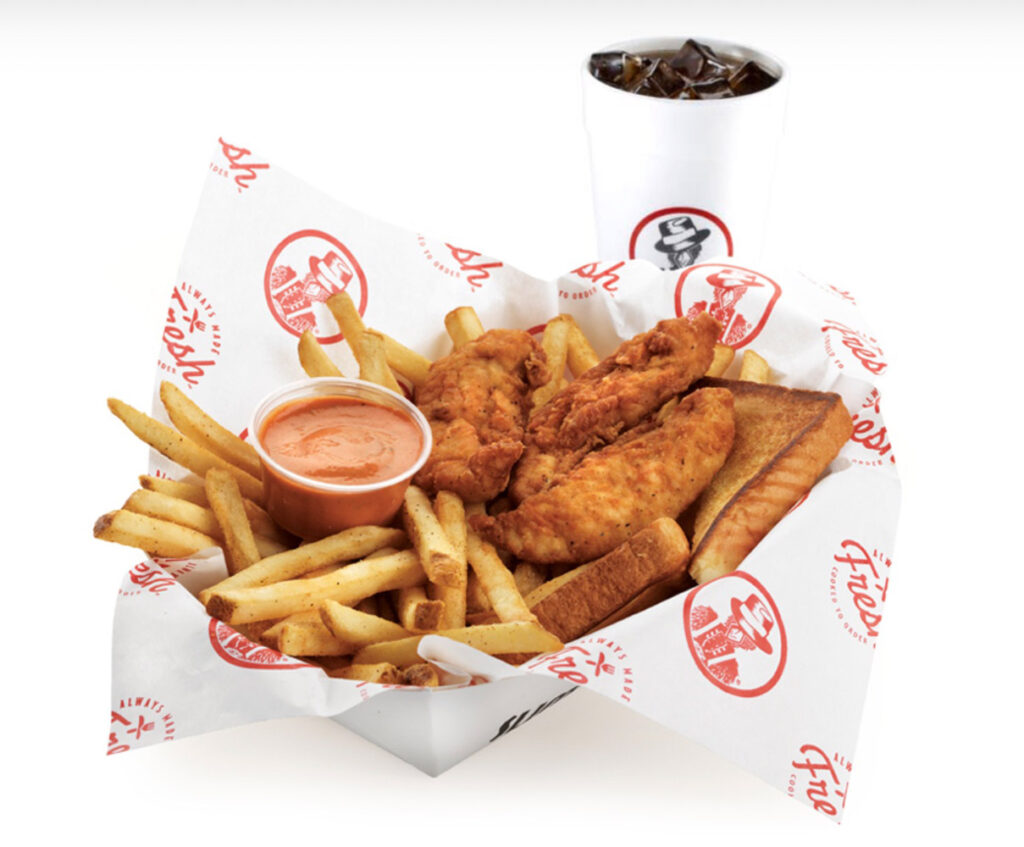
Slim Chickens is a fast-casual chain that specializes in chicken tenders, wings, sandwiches, salads, wraps and chicken & waffles, as well as other items. It is headquartered in Fayetteville, AR, and has more than 100 locations in more than 30 states. The only location near Wesley Chapel is on N. Boundary Blvd. near Macdill Air Force Base in South Tampa, and there are three other locations in the Florida panhandle. For more information, visit SlimChickens.com. — JCC
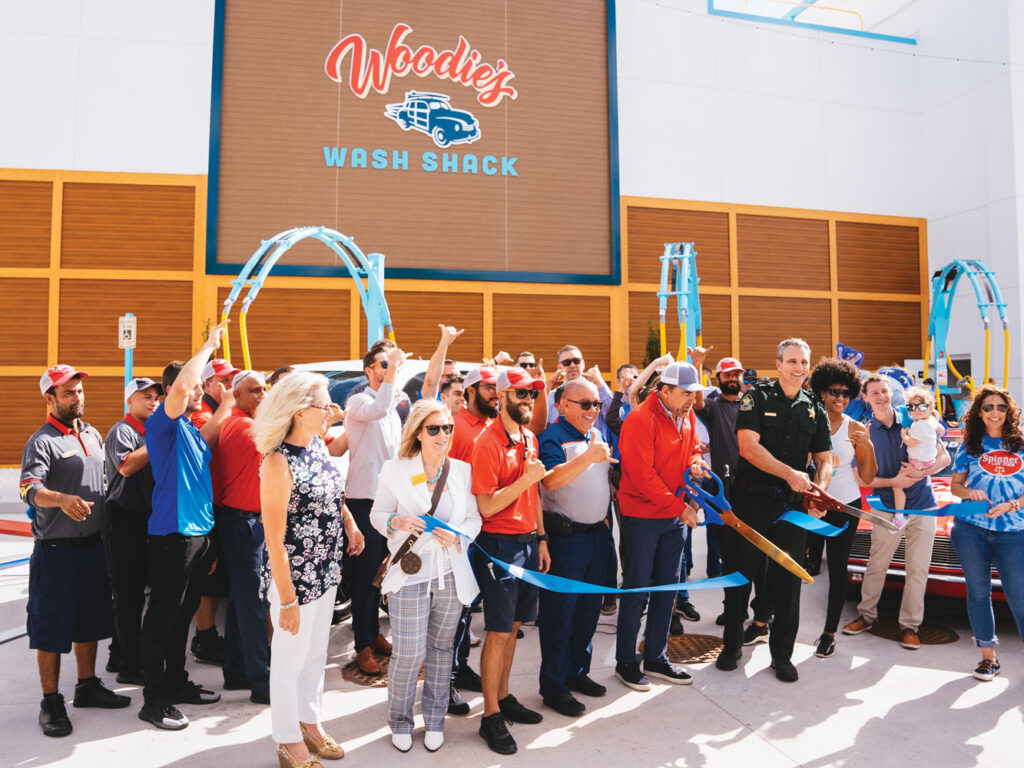
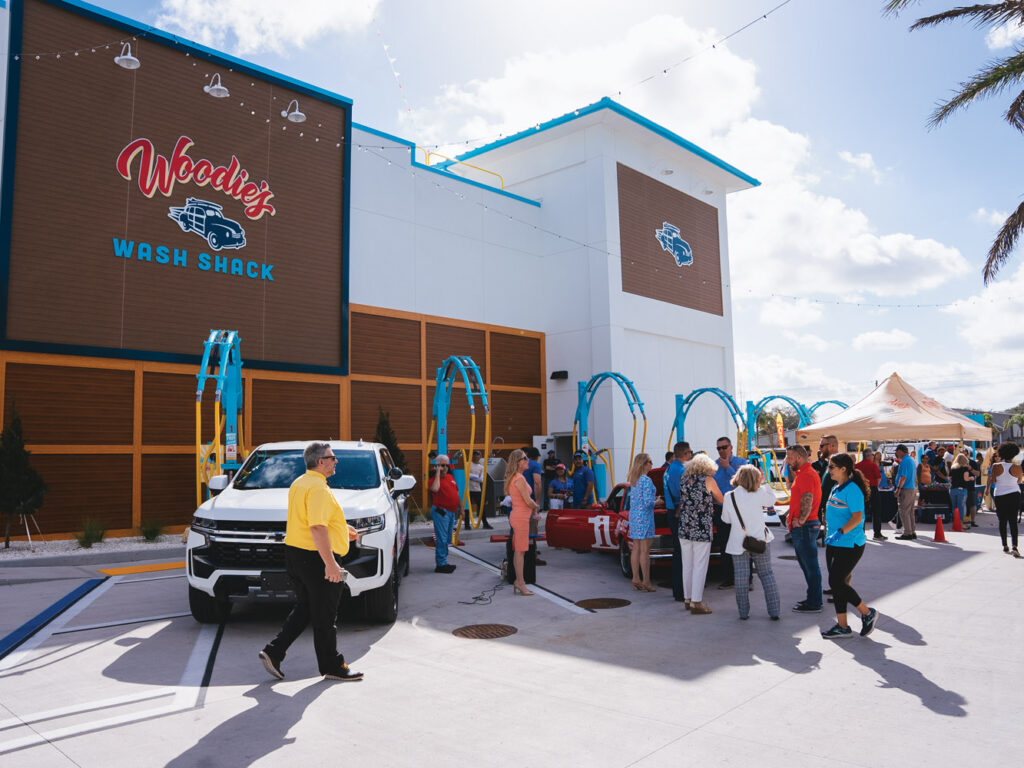
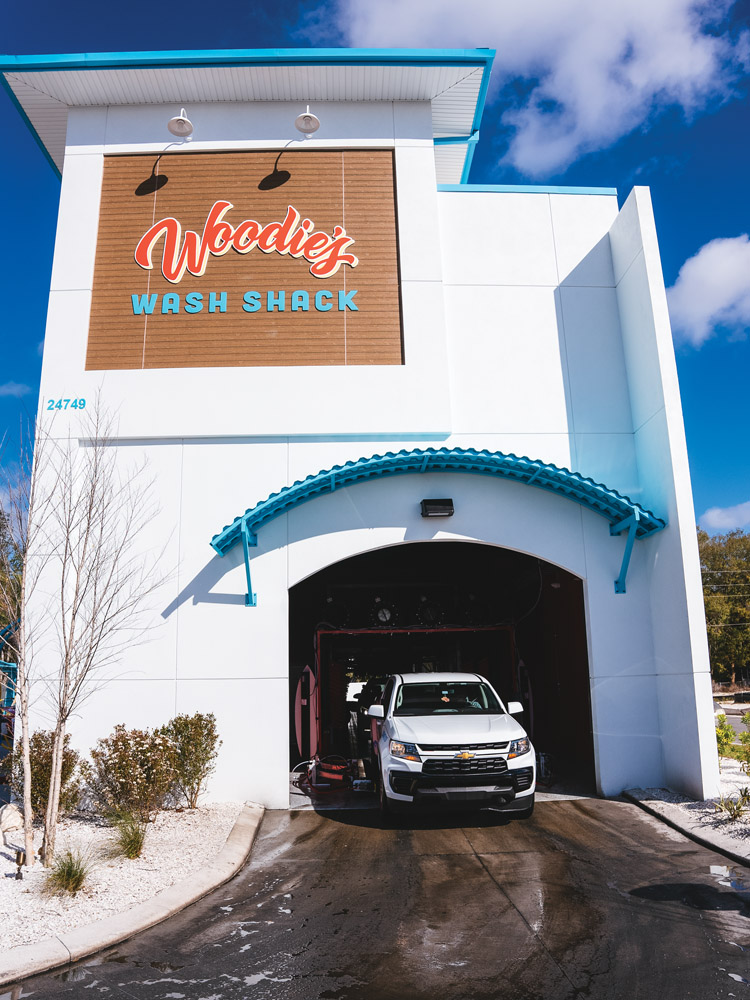
Woodie’s Wash Shack Hosts A Spectacular Grand Opening! If you missed the Grand Opening and official Ribbon Cutting ceremony for the new Woodie’s Wash Shack-Cypress Creek (located at 24749 S.R. 54 in Lutz, about a mile west of the Tampa Premium Outlets) on Feb. 4, you missed one of the best North Tampa Bay Chamber ribbon cuttings we’ve attended in years.
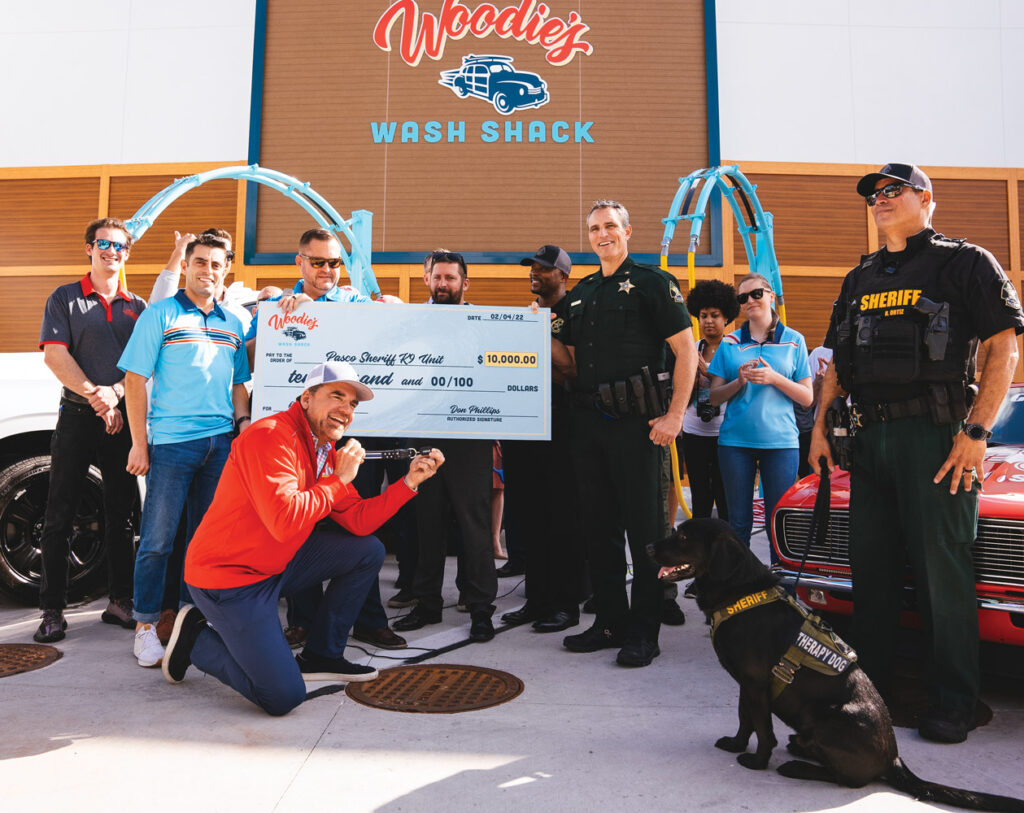
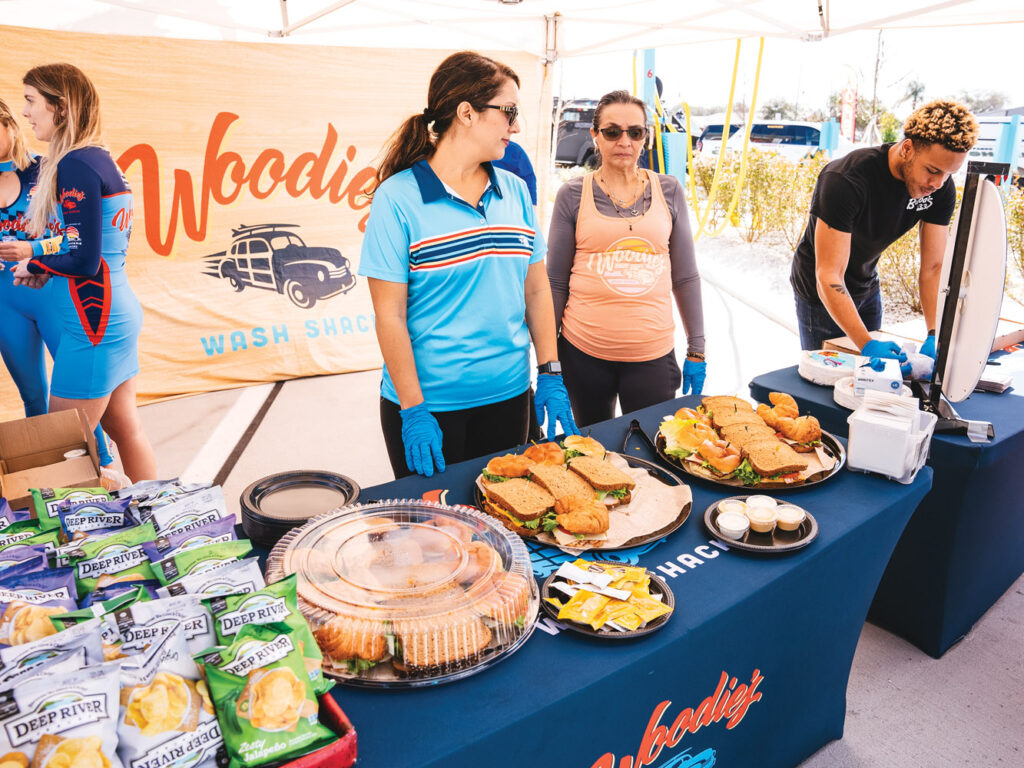
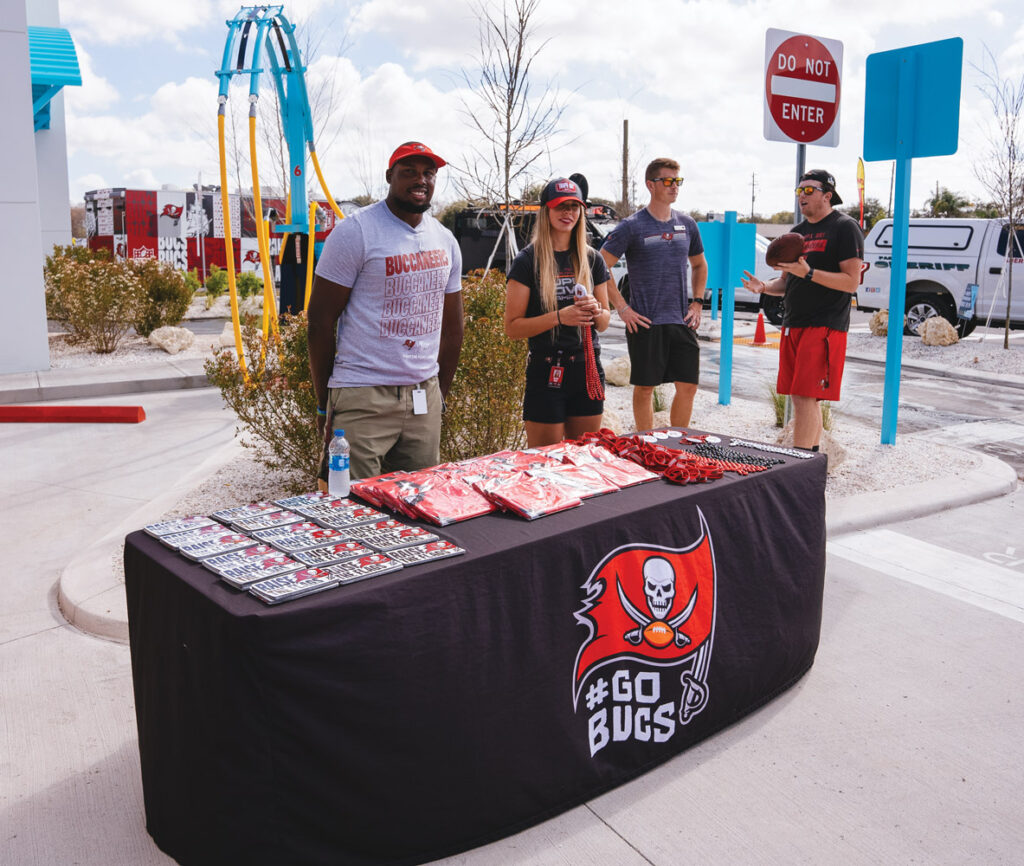
First of all, there was free Tampa Bay Buccaneers gear being given away, appearances by a variety of Pasco County Sheriff’s Office (PCSO) vehicles and K-9 officers (bottom photos), delicious, free food from Bubba’s 33 and Honeybaked Ham and, perhaps best of all, free car washes for every vehicle that came to the party and unlimited top-level monthly wash memberships for just $9.99 per month for the first three months.
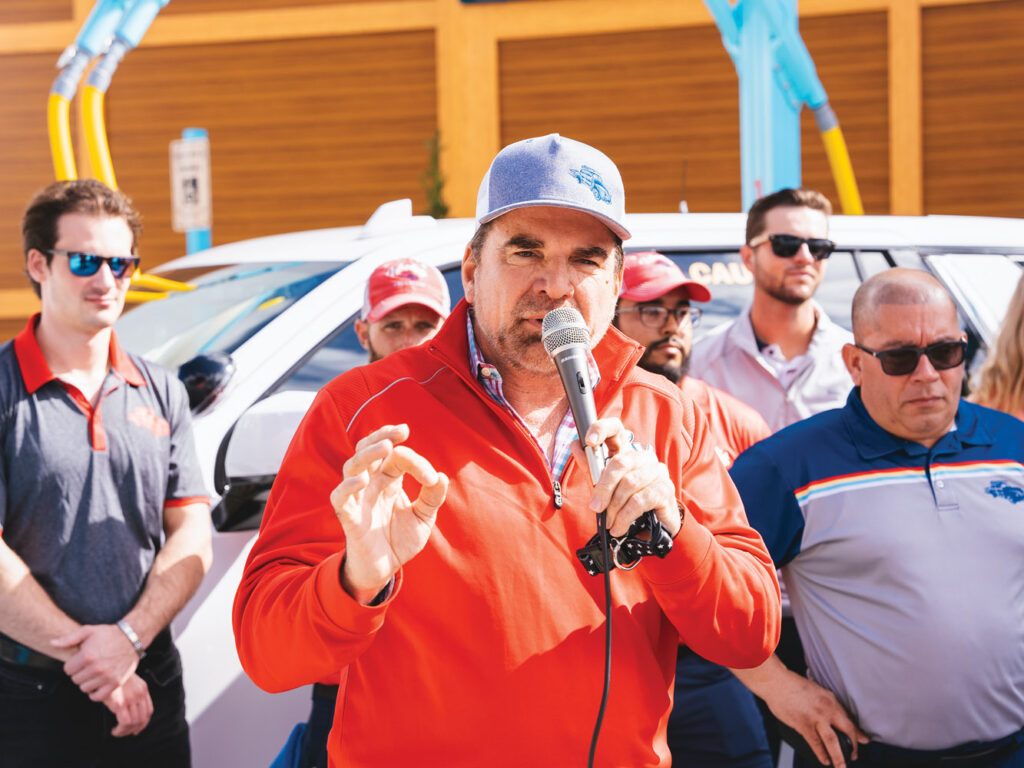
But, the even bigger news of the day was that Woodie’s owner Don Phillips (who says he based his growing local chain of four wash shacks on the California surf era of the late 1950s and early 1960s) and local franchisee Harry Jenkins also presented a $10,000 check to Pasco Sheriff Chris Nocco for his K-9 Officer program. Phillips even mentioned that the money will go, in part, to the training of a new K-9 officer, appropriately named Woodie.
And, for those who have seen the sign at The Grove at Wesley Chapel that another Woodie’s location is coming soon, Jenkins says that location will likely open in the next 6-7 months. For more information, stop by or visit WoodiesWash.com. — GN
Carrabba’s Italian Grill Goes Vertical!
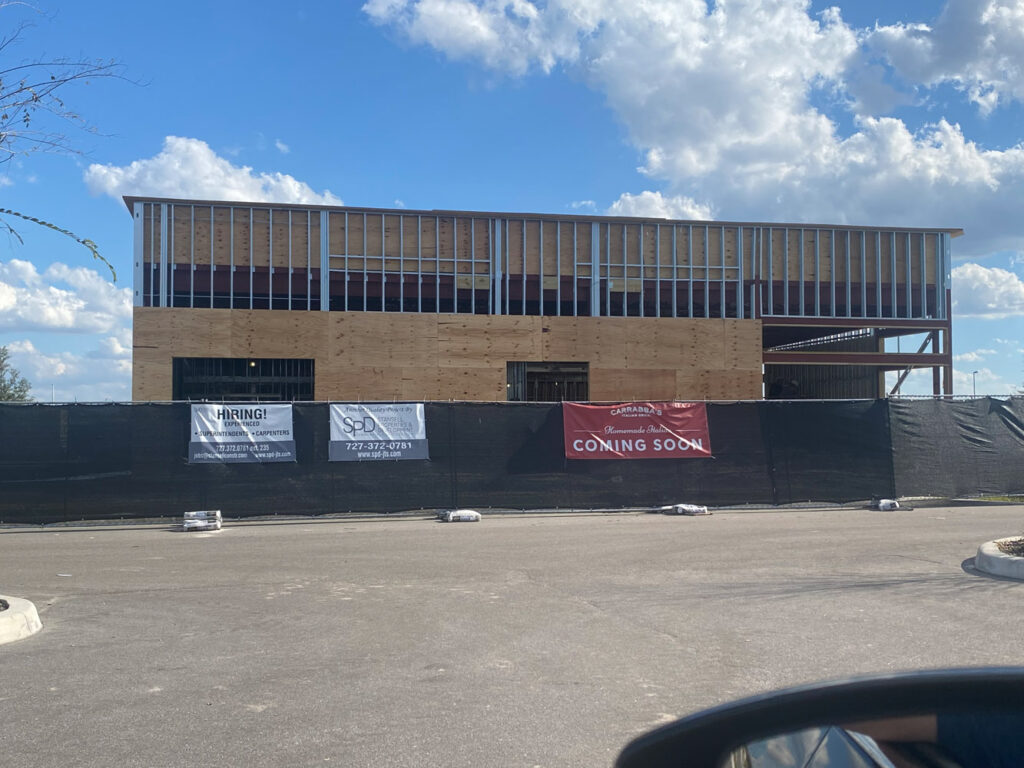
Even though we’ve previously reported (multiple times) that Carrabba’s Italian Grill would be opening between Aussie Grill and Bonefish Grill on the north side of S.R. 56, we’ve seen some recent comments on Facebook indicating that some of you still don’t know what is being built in that area.
Well, now that Carrabba’s has gone vertical and posted a sign (photo), there is no need for additional speculation. The Bloomin’ Brands-owned Italian eatery, originally founded in Texas by Johnny Carrabba and Damian Mandola, already has 220+ locations in 29 states, and is expected to open this 69th Florida location (and second with a Lutz zip code) within the next 3-6 months. — GN
Kumquat Pie Is Now Pasco’s ‘Official’ Pie!
Congratulations to the little known and oft-overlooked Kumquat Pie, which was recently declared the official pie of Pasco County. The Pasco Board of County Commissioners unanimously approved the resolution to honor the pie on Feb. 8, after the Tourist Development Council for Experience Florida’s Sports Coast voted the make the pie the official pie.
“Kumquat pie is an iconic dish in Pasco,” said District 2 commissioner Mike Moore, “and it’s only appropriate it’s now our official pie.”
Key lime and apple have filed protests, but they never had a chance against the mighty kumquat. It may look like a misshaped baby orange, but the grape-sized fruit has found a place in Pasco County’s heart, dating back to the late 1800s. And of course, Pasco is well-known for its annual Dade City Kumquat Festival, which recently celebrated its 25th anniversary. — JCC
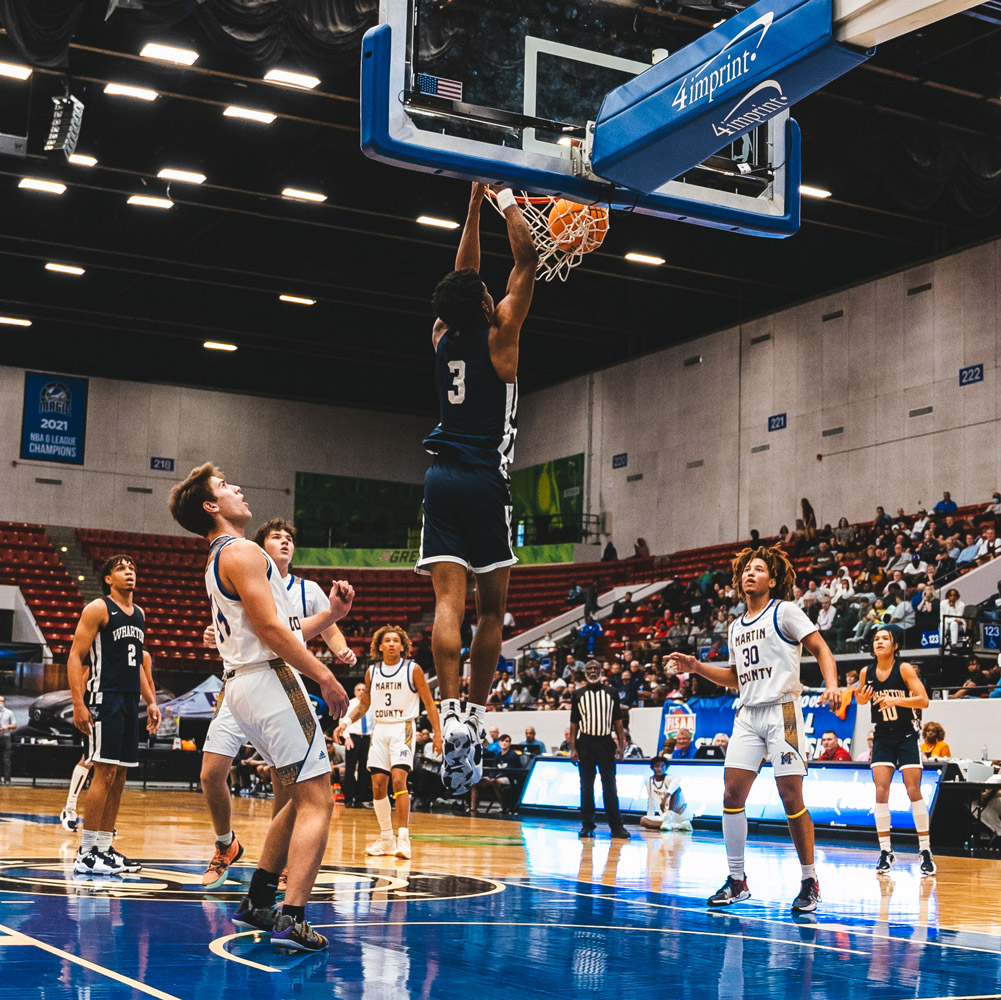
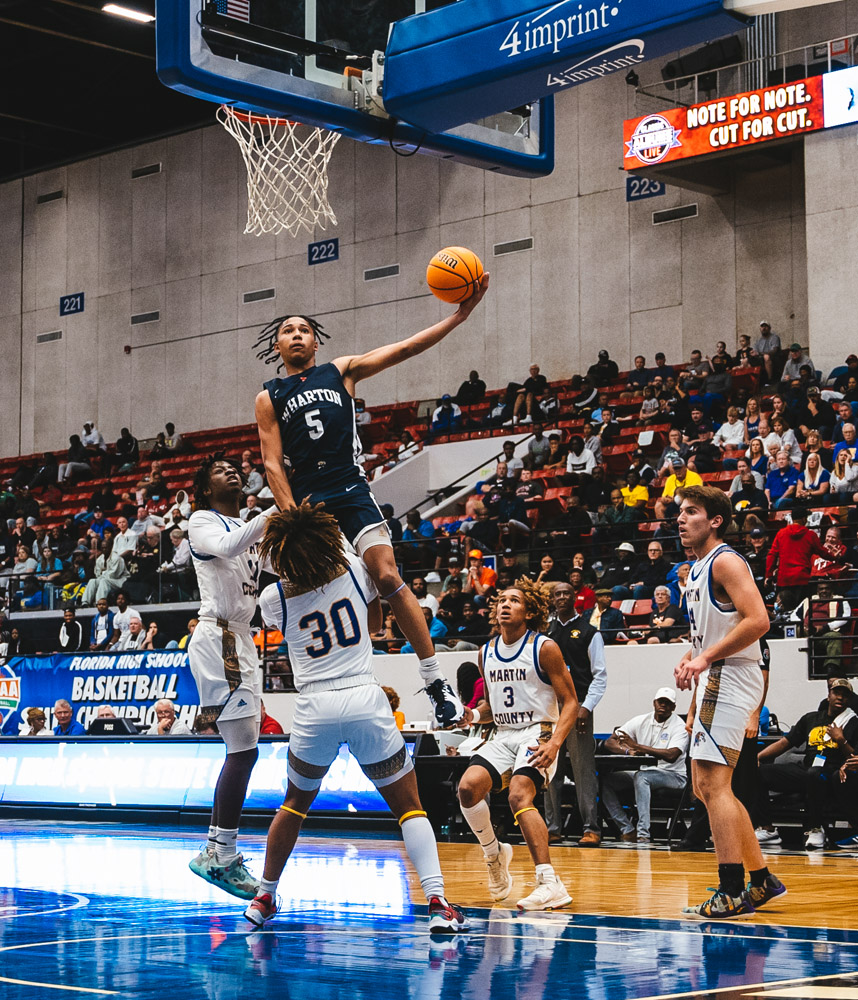
Carlos Nesbitt converts an alley-oop pass from Trent Lincoln in the second quarter of the Class 6A state semifinals in Lakeland Thursday night. Wharton fell 52-47 to Martin County. (Photos: Charmaine George)
For three quarters of Thursday’s Class 6A State semifinal clash with Martin County, Wharton High looked like the better basketball team. The Wildcats’ defense was just a little bit better, the offense was more accurate shooting the ball and Wharton always seemed on the verge of a putting the Tigers in a hole so deep they wouldn’t be able to climb out of it.
Then, in less than a minute, everything changed, and Wharton saw its hopes of advancing to the first State championship game in school history evaporate.
Led by a trio of seniors and a stifling press, Martin County (26-4) turned the game in their favor to start the fourth quarter and the Wildcats never recovered, falling 52-47 at the RP Lending Center in Lakeland.
Martin County’s Jayden Pressey, who was 0-for-6 from three-point range, buried a wide-open triple from the corner to start the fourth quarter, and the Tigers began pressing, and a slew of Wildcat turnovers and mistakes followed. The Tigers made free throws and another bucket inside, and in 57 seconds had spun off an 8-2 run to give Martin County a 39-36 advantage with 7:03 remaining in the game.
Wharton’s Trent Lincoln drives to the hoop in the first half.
The Wildcats, who finished 28-3, never led again.
“We weren’t in our press attack alignment,” Wharton coach Tommy Tonelli said. “and we had some guys out of position in the process. That’s it. It’s that simple. We had a plan, we knew what we wanted to do, we knew what they were running, we just didn’t get guys in the right spot. It just made it that much more difficult to execute what we needed to do.”
The press overwhelmed Wharton, which already had 13 turnovers heading into the last quarter but committed seven more with the heat turned up.
“When we were able to get the ball out of (Wharton point guard Trent Lincoln’s) hands, they got a little helter-skelter,” said Martin County coach John Leon. “We had to take a chance with the press. If we hadn’t, I’d be kicking myself.”
Pressey had all nine of his points in the fourth quarter, including a bullish drive to the basket to give Martin County a 45-39 lead with four minutes left. Another Pressey basket off a turnover stretched the Tigers’ lead to 49-41.
Ryan Davis, a thorn in the Wildcats’ side all night, led Martin County with 18 points and seven assists.
After shooting just 24 percent in the first half, the Tigers shot 67 percent in the second half, and were scorching hot in the fourth quarter, making 8 of 10 shots.
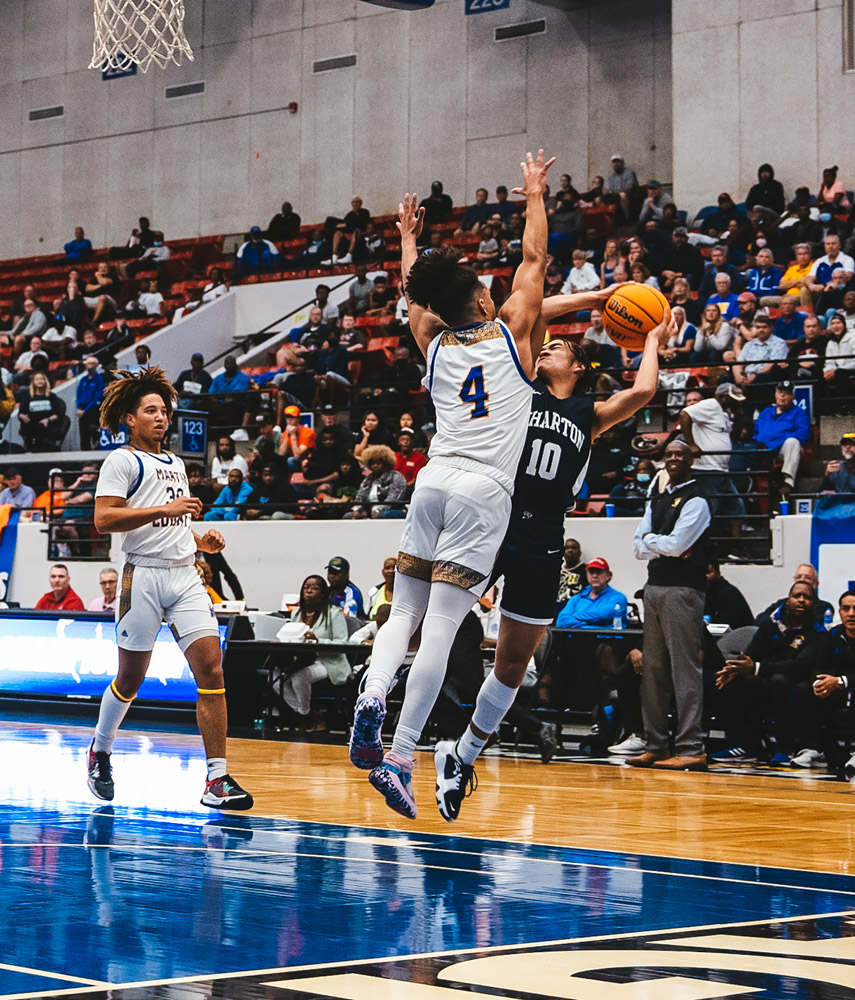
Wharton guard Lucean Milligan is fouled in the second quarter, and made both his free throws to give the Wildcats a 16-13 lead.
For three quarters, however, it looked like it might be Wharton’s night. They held the Tigers to one basket in the first quarter and led 8-3, and behind strong play from seniors Trevor Dyson and Carlos Nesbitt, forged a 16-15 lead at the half.
The third quarter was back and forth, and midway through, Chandler Davis canned a three-pointer and gave Wharton its biggest lead, 29-22, of the night.
However, despite eight points in the quarter from Dyson, Martin County was able to rally and keep it close heading to the fateful fourth.
Dyson, who was 4 of 6 from three-point range, and Davis, a junior, each scored 16 points to lead Wharton.
Dyson added 11 rebounds, while Nesbitt chipped in seven points and eight rebounds. Both seniors played all 32 minutes.
“I told the guys afterwards they exceeded my wildest expectations,” Tonelli said. “Not that I didn’t think they were capable. We were Conference champs, District champs and Region champs. The only goal we fell short of was being State champs. But there’s a lot of guys that play basketball and can’t say they are any of those things.”