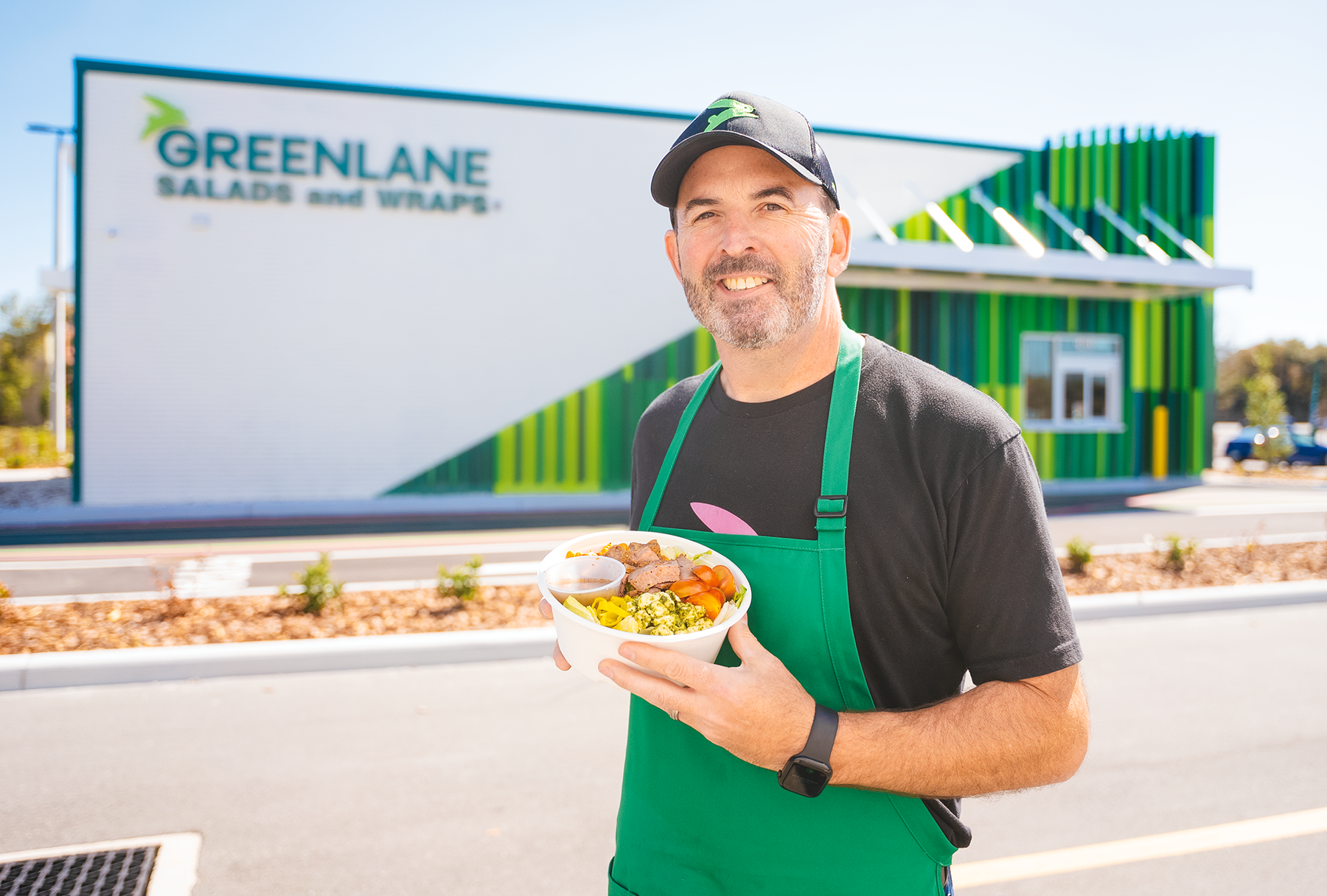
If you haven’t yet tried the new Greenlane Salads and Wraps drive-through location at 24801 S.R. 54 in Lutz (next to Los Chapos Tacos and the now-closed Fazoli’s), photographer Charmaine George, Jannah and I all urge you to go ahead and give it a shot.
We all agree that co-founders Chris Kern (above) and former New England Patriots and Tampa Bay Bucs tight end Rob Gronkowski are onto something with this growing local mini-chain that is now up to five locations.
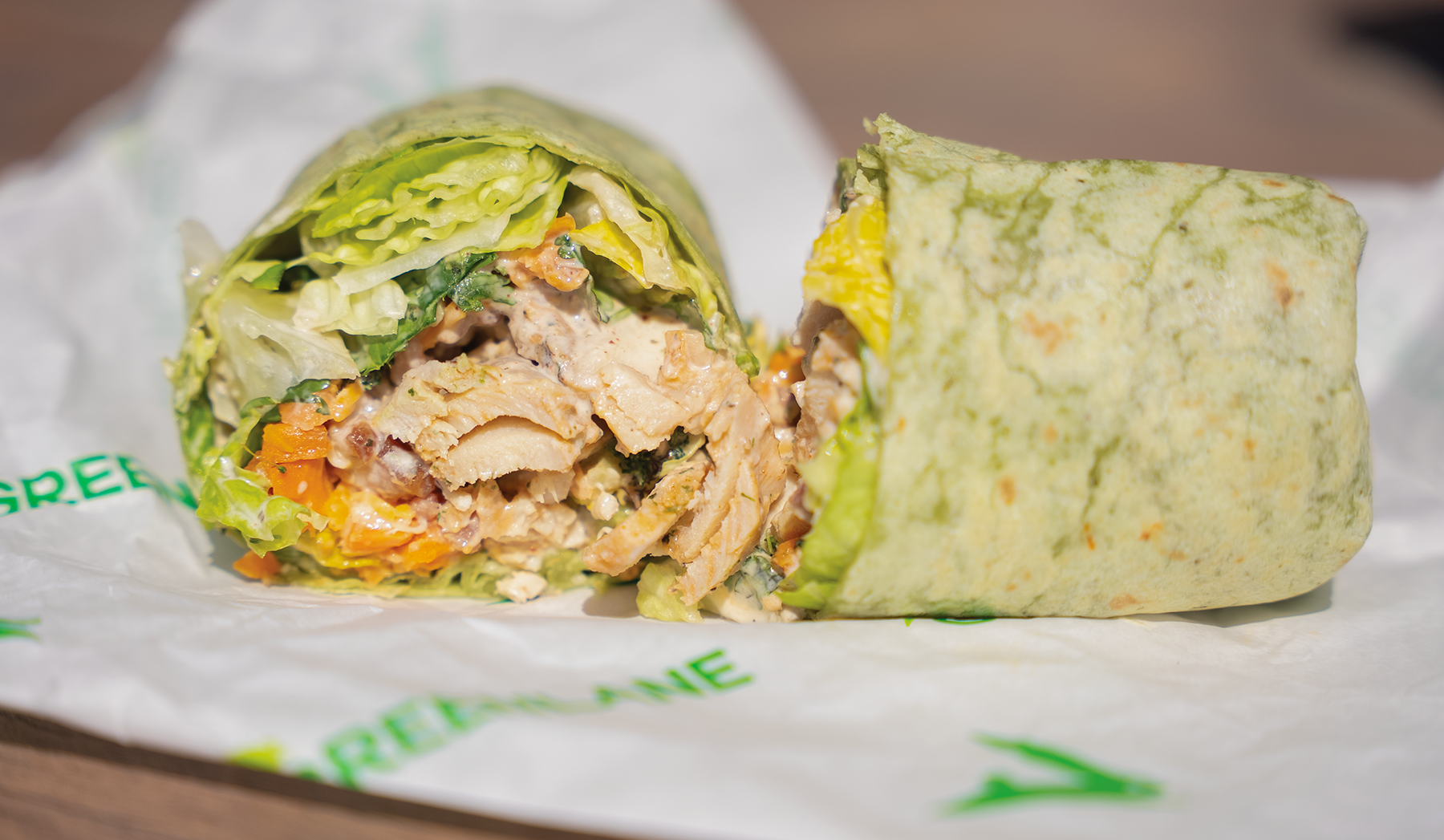
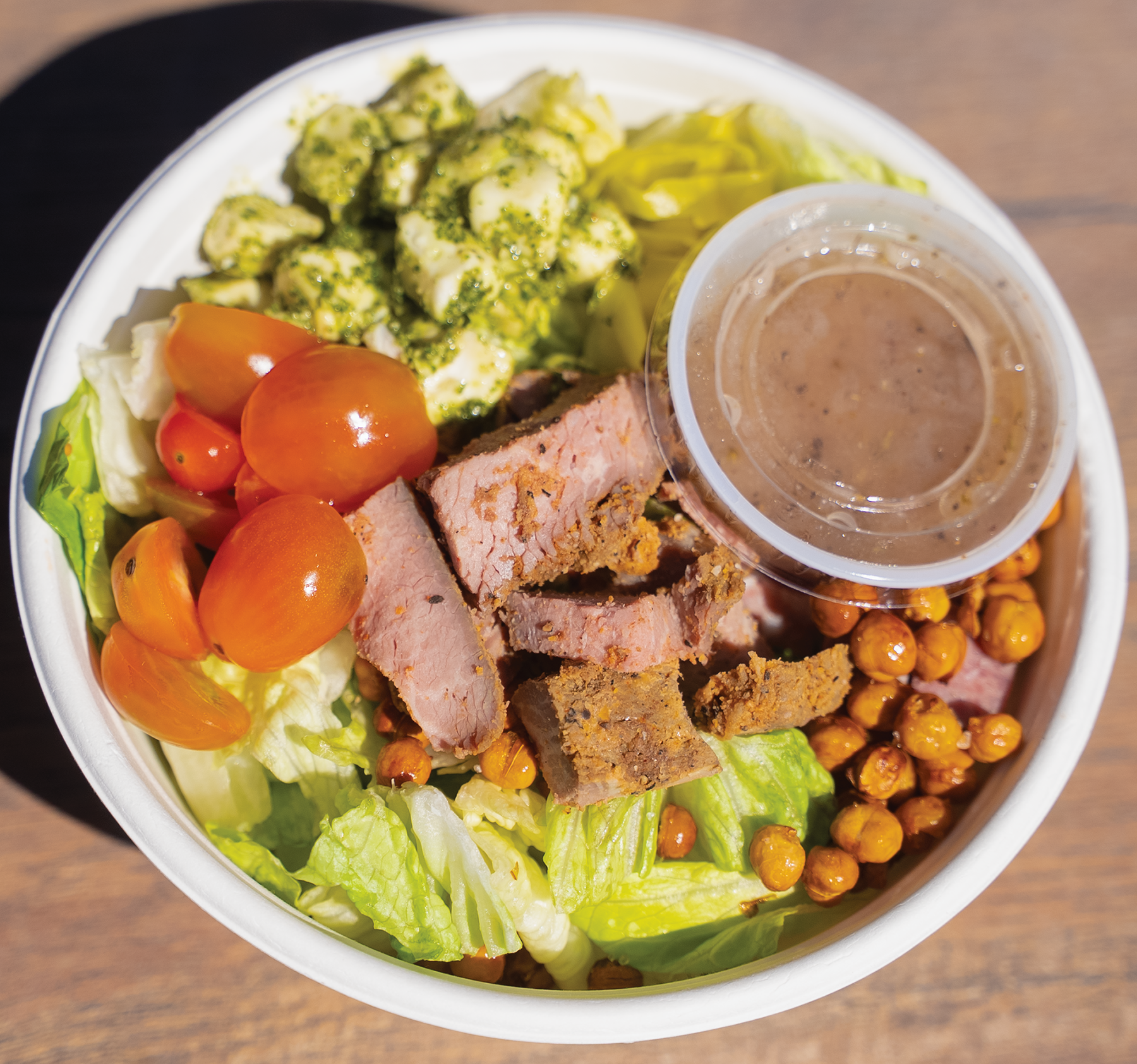
We all have our own favorites — Jannah loves The Gronk wrap above left (she’s also now had it as a salad bowl), with roasted broccoli (which Jannah calls “amazing”), roasted sweet potatoes, crispy bacon, green onions and cheddar Jack cheese on a bed of romaine lettuce with Greenlane Goddess dressing. Charmaine’s fave is the Tuscan Sun salad bowl (right), with pepperoncini, crispy chickpeas, marinated mozzarella, salami, grape tomatoes and Italian vinaigrette on a bed of romaine. She liked it with the grilled steak shown below, but says she definitely will try it with the grilled chicken next time.
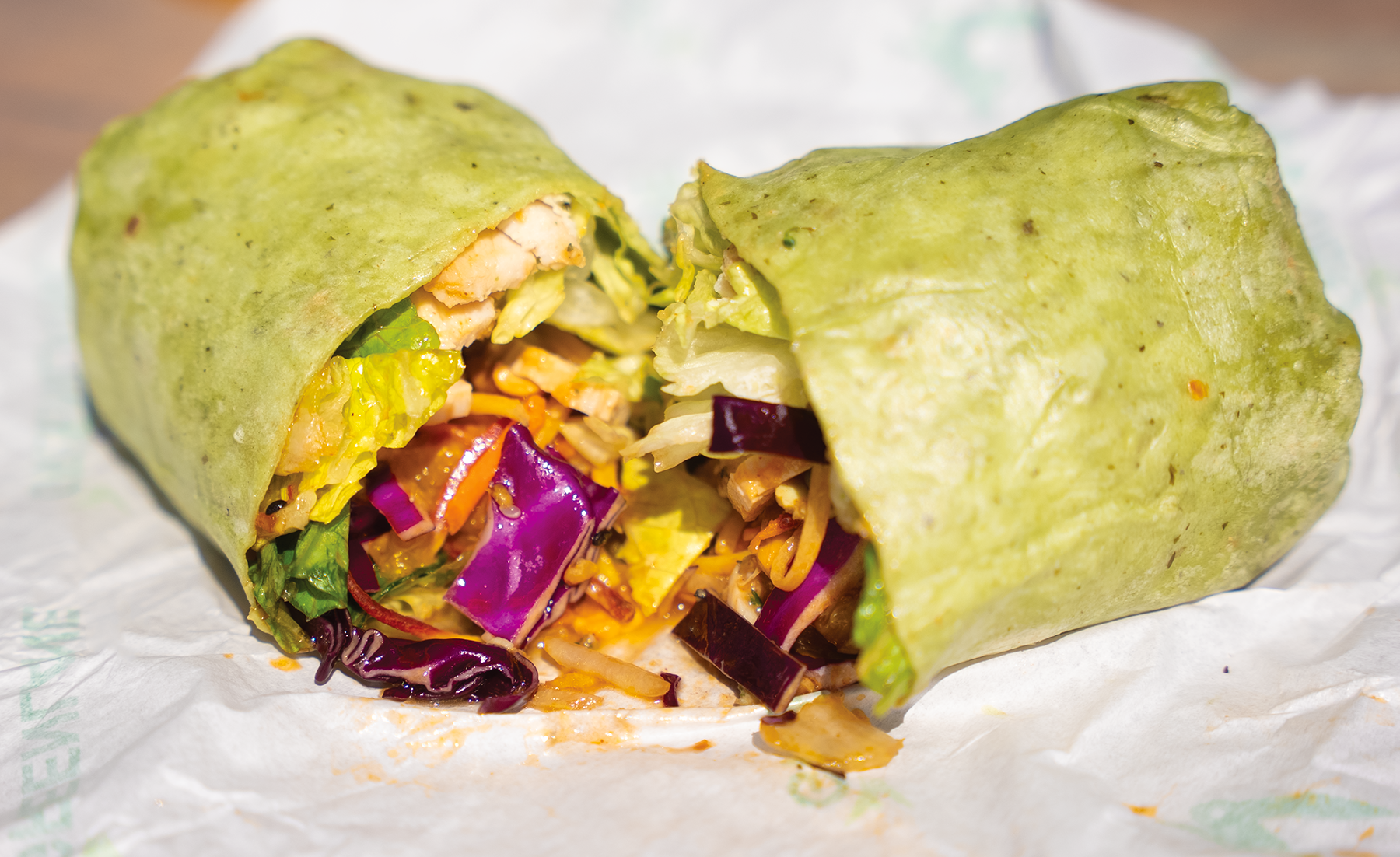
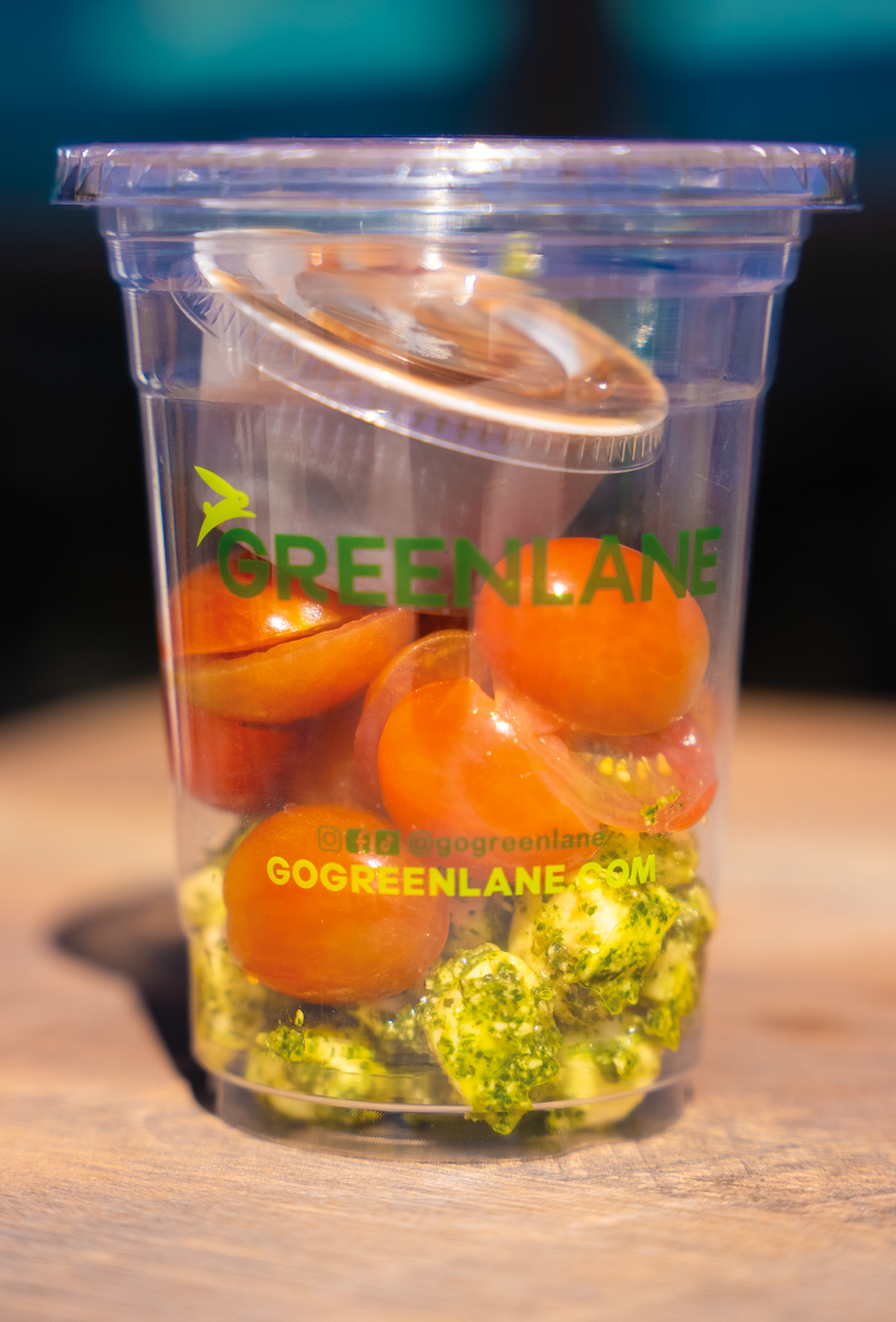
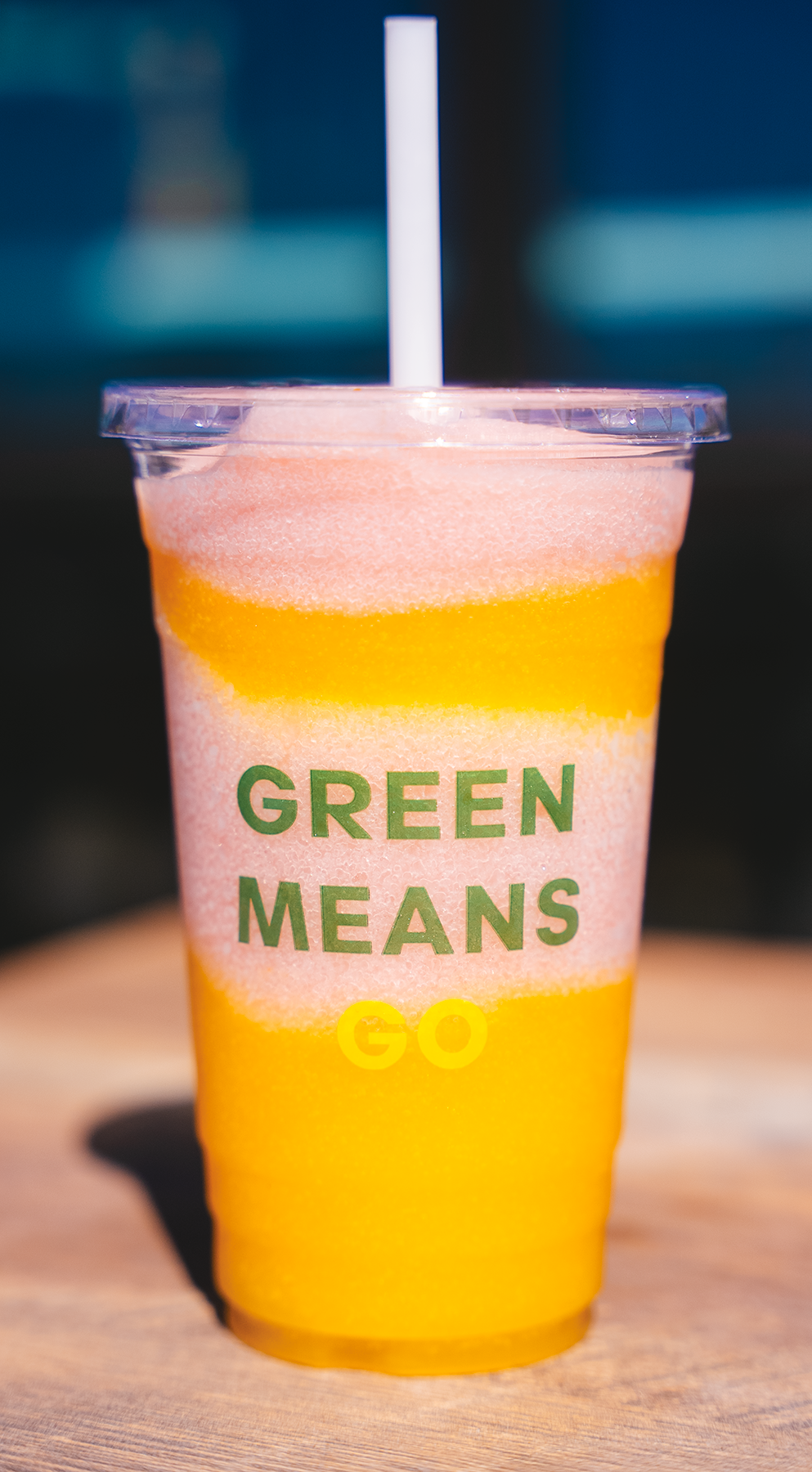
I already have three favorites — the caprese salad (bottom left), with nut-free basil pesto mozzarella, Florida ripe cherry tomatoes and house-made balsamic vinaigrette; the ginger sesame crunch wrap (below) and the Cobb wrap. You can order any of these as a wrap or a salad and everything is customizable to your exact specifications. There also are smoothies and slushies on the menu. In our eyes and tastebuds, Greenlane is a winner! For more info or to order, visit GoGreenlane.com. — GN, photos by Charmaine George
The Pasco County Libraries’ newest addition — the Wesley Chapel (WC) Library at Seven Oaks — is finally open (after nearly two full years of construction) and pretty much everyone we spoke with since the library opened on Feb. 23 has been thrilled with the cozy new 14,000-sq.-ft. (with a 13,000-sq.-ft. interior; the other 1,000 sq. ft. is a covered outdoor “reading porch”), $11-million library.
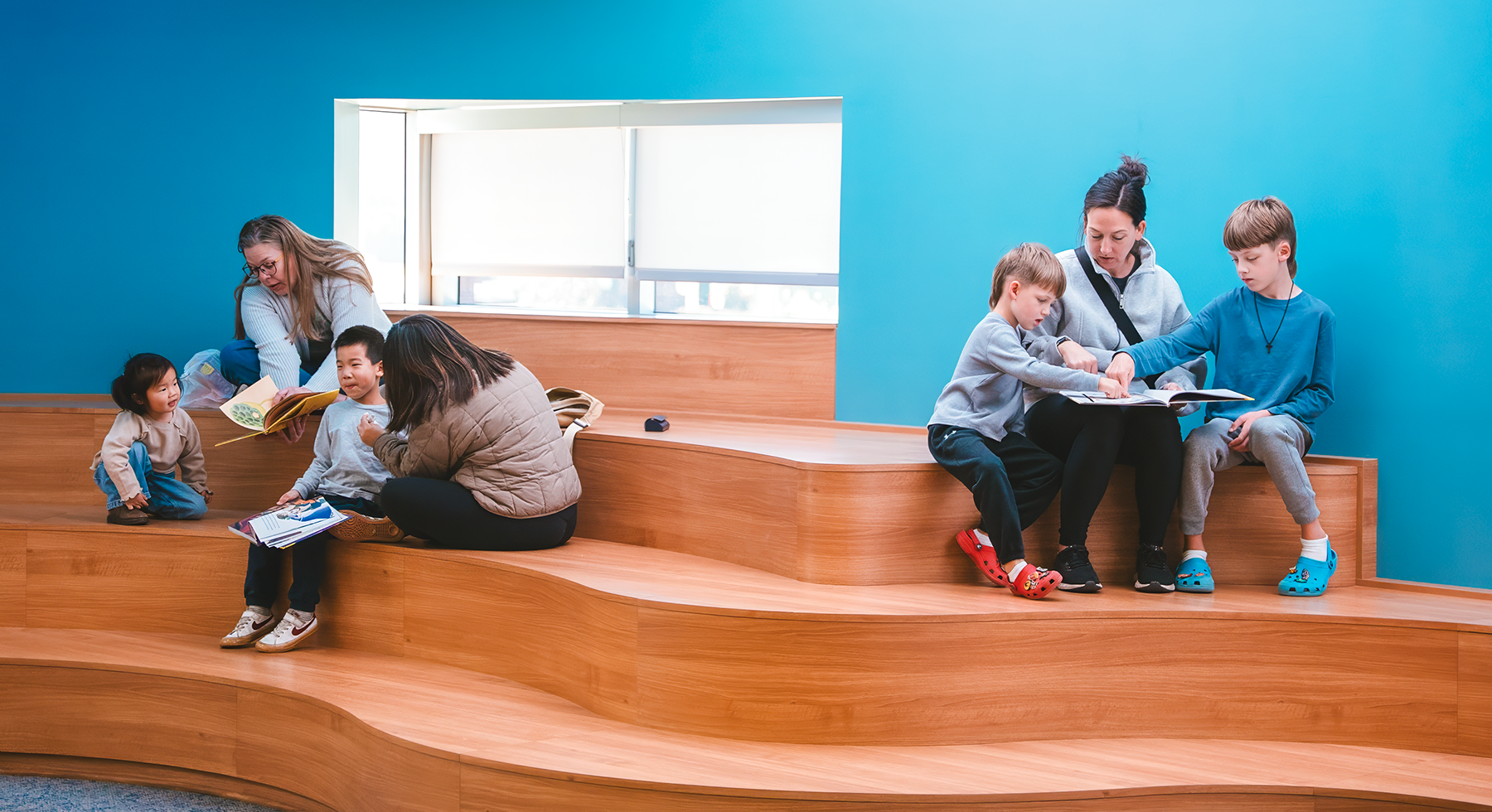
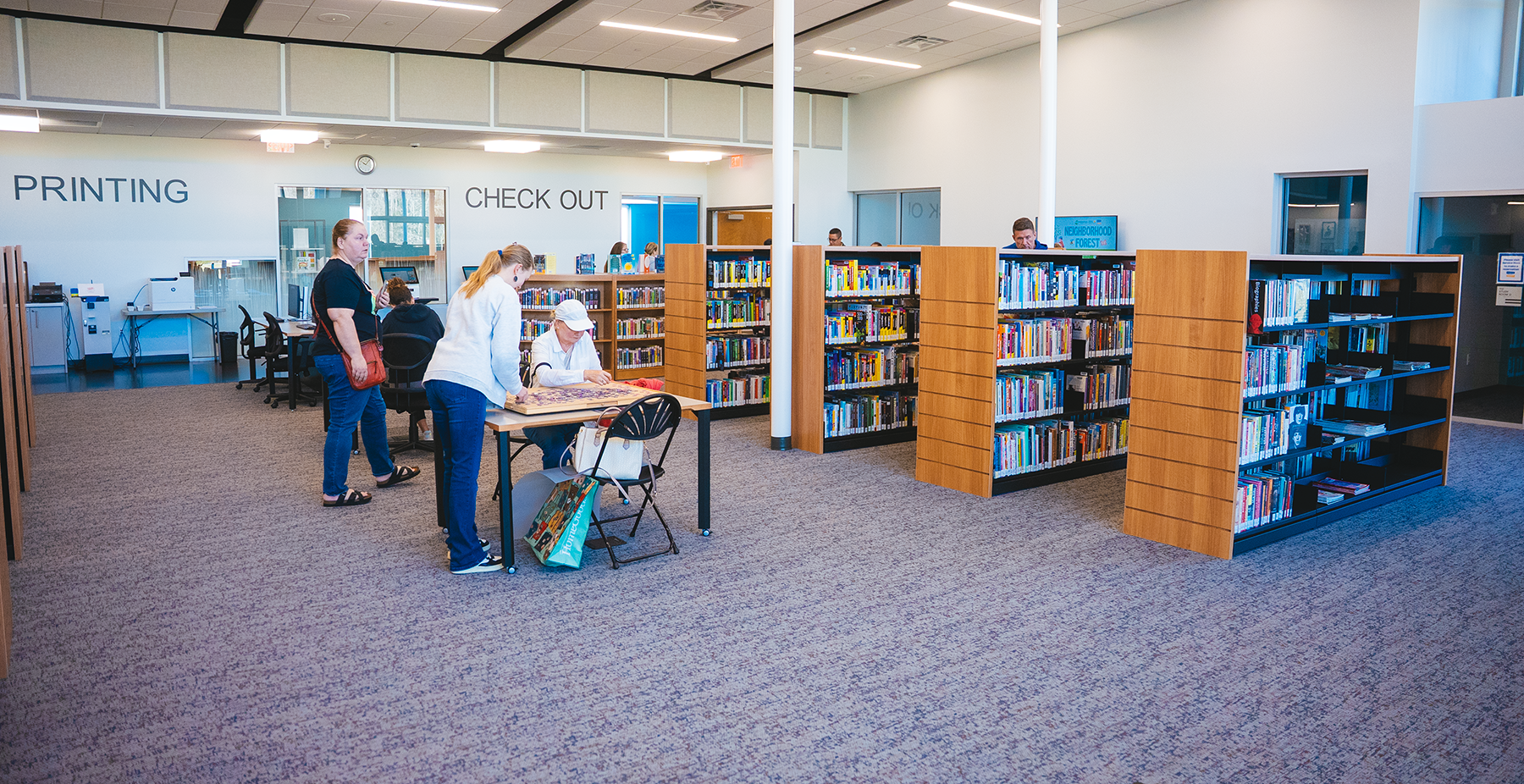
“It’s a little smaller than I expected,” said one young mom, “but this children’s reading area (photo, above and below left picture) is amazing!”
Although branch manager Julie Shepherd (at right in right photo) couldn’t tell me on opening day exactly how large that children’s area is, but, by my estimate, it is somewhere in the neighborhood of 5,000-sq.- ft. If accurate, that would mean it takes up more than a third of the library’s inside space, with shelves full of cool kids books and interesting spaces for parents to read to their kids.
But, the library’s overall size is a little small, especially when compared with the Land O’Lakes Library (18,000+ sq. ft.) or the New Tampa Regional Library (25,000-sq. ft.).
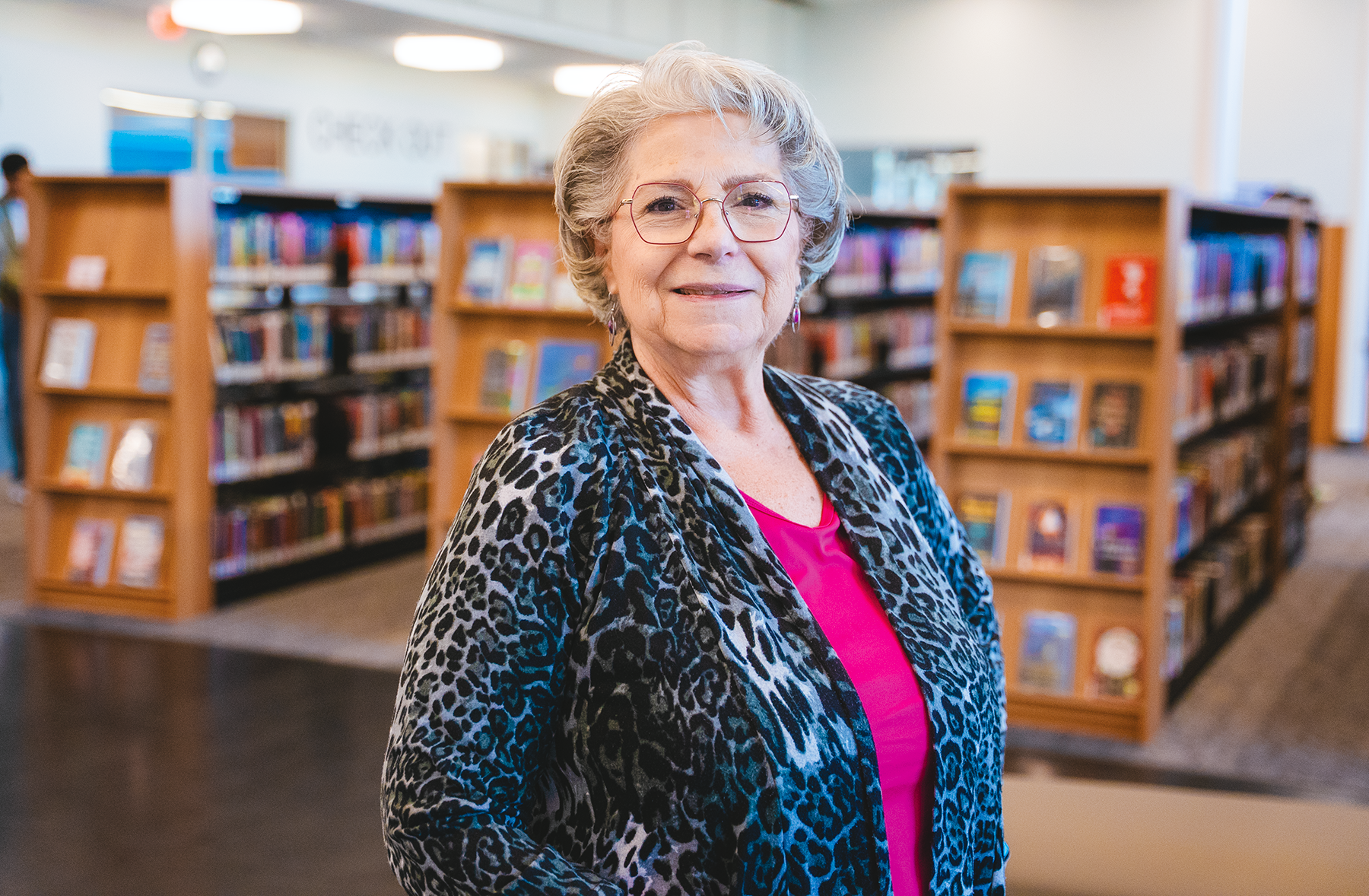
“But, I think it’s a wonderful space,” said Roz Fenton (below right photo), the president of the countywide Friends of the Library, who was on hand for the opening. “Did you see the art on the entrance walls? That was all done by Pasco County Library staff members. Fabulous, right?”
In addition to books, magazines and the “Library of Things” — a collection of non-traditional, check-outable items, including adaptive toys, Wi-Fi hotspots, ukuleles, bird-watching kits and board games designed for enrichment and exploration — the library also features public computers, printers, collaborative spaces, a gallery wall in the lobby, an outdoor event lawn and a multi-purpose room for makerspace and other activities.
Pasco Library Friends president Roz Fenton
There’s also a sizable meeting room, and a number of study rooms, including a specially-designed teen study room. Drive-up services also are available at this location, which has its entrance on Mystic Oak Blvd., next to Seven Oaks Elementary.
There’s no doubt that the opening day was a soft opening, attended by only a few dozen people — many of whom (including Jannah and yours truly) were signing up for library cards — and that all of the new library’s programming wasn’t yet in place.
Here are the activities scheduled for the rest of March & April at the WC Library:
Thursday, March 19, 4 p.m. — Wesley Chapel Book Club: The Anthropocene Reviewed by John Green
Every Tuesday, 10:30 a.m. — Preschool Story Time
Every Friday, 10:30 a.m. — Toddler Story Time
Monday, March 23, 4 p.m. — Teen Advisory Board & Volunteer Info Session
Wednesday, March 25, 6 p.m. — Adult Volunteer Info Session
Wednesday, April 15, 4:30 p.m. — Adult Literacy New Tutor Training
Thursday, April 16, 4 p.m. — Wesley Chapel Book Club: The Ministry of Time by Kaliane Bradley
Wednesdays, April 22 & 29, 6 p.m. — English Conversation Corner
Wednesday, April 29, 5 p.m. — Adult Volunteer Orientation
What About Those ‘Makerspaces?’
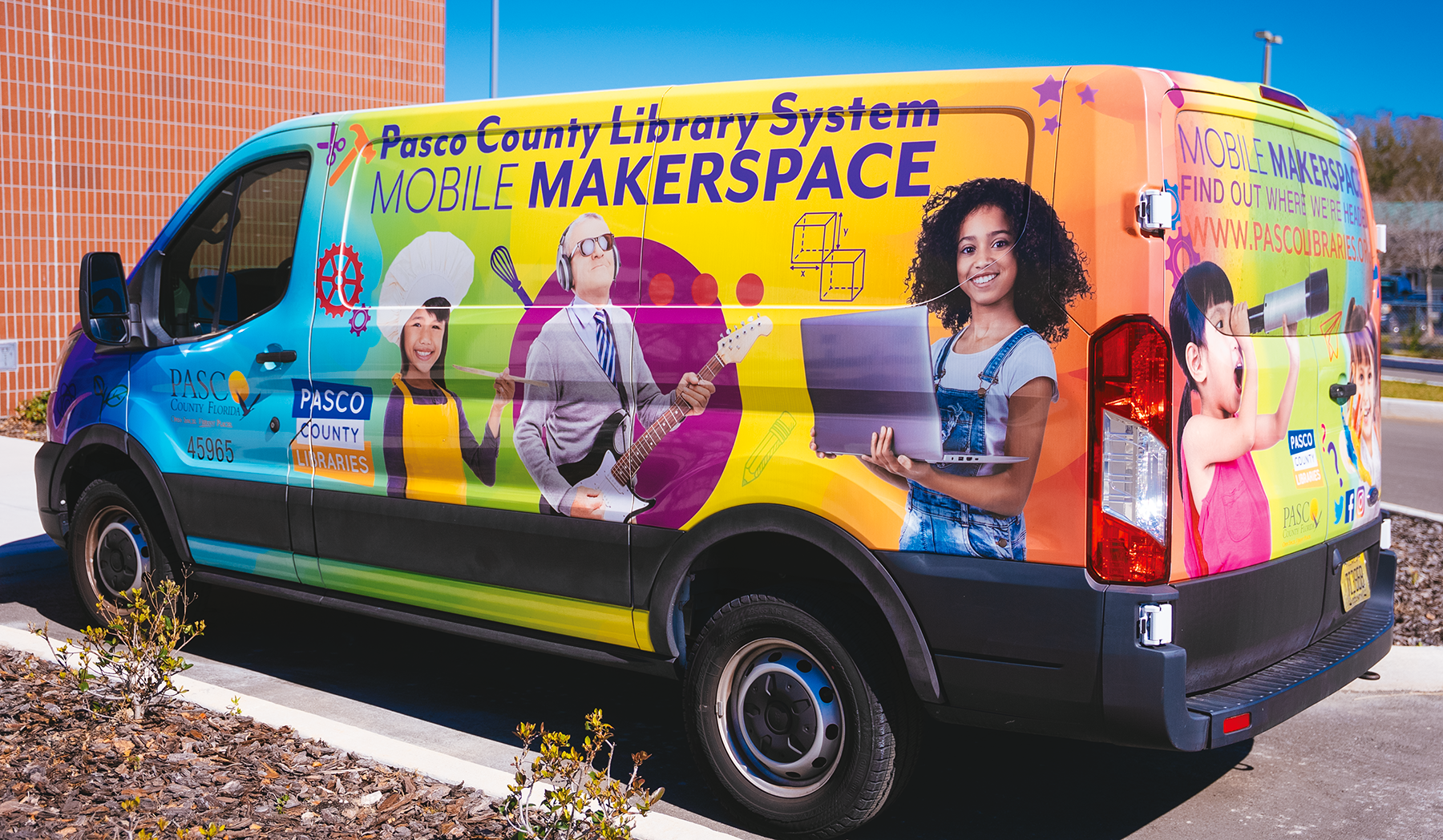
“We’re going to be hosting our ‘Mobile Makerspace’ at the Wesley Chapel branch,” Shepherd told me the day the WC Library opened. “The idea is to bring the best of all of our other makerspaces to Wesley Chapel and offer a variety of different services.”
Among those makerspaces, each of which will be making appearances at the WC Library in the future, are the following:
• “The Loft” studio arts, painting, photo digitalization and arts & crafts, from the Centennial Park Library
• “The Ingenuity Lab” STEAM area, with KEVA planks & LEGO® bricks, from the Hugh Embry Library
• “Studio H” multimedia studio for record demos & podcasts and to practice instruments, from the Hudson Library
Part of the Pasco Library staff Art Show
• “The Foundry” complete wood shop, plus fabric arts & crafts center, from the Land O’Lakes Library
• “Discovery Gardens” community garden, butterfly garden & gardening demonstrations, from the New River Library
• “Regency Fresh” full test kitchen with cooking demonstrations and the chance to try new recipes, from the Regency Park Library
• “Clayworks” ceramics studio, from the Starkey Ranch Theatre Library Cultural Center
Shepherd also said that the large lawn outside of the library will be able to host a variety of cultural events, including concerts, movie nights and more. “And, we definitely will have a great relationship with the [Seven Oaks] elementary school next door,” Shepherd said. “The children’s reading area will be open anytime the library is and we will be able to host story times and even kids’ performances in that room.”
The Wesley Chapel Library at Seven Oaks is located at 27531 Mystic Oak Blvd. It is open Mon. & Wed. 10 a.m.-8 p.m., 10 a.m.- 6 p.m. on Tues. & Thur. & 10 a.m.-5 p.m. on Fri. & Sat. It is closed on Sun. For more info, visit PascoLibraries.org.
Yard House Unconfirmed But Now Rumored To Be The Front Runner To Replace Bahama Breeze On S.R. 56
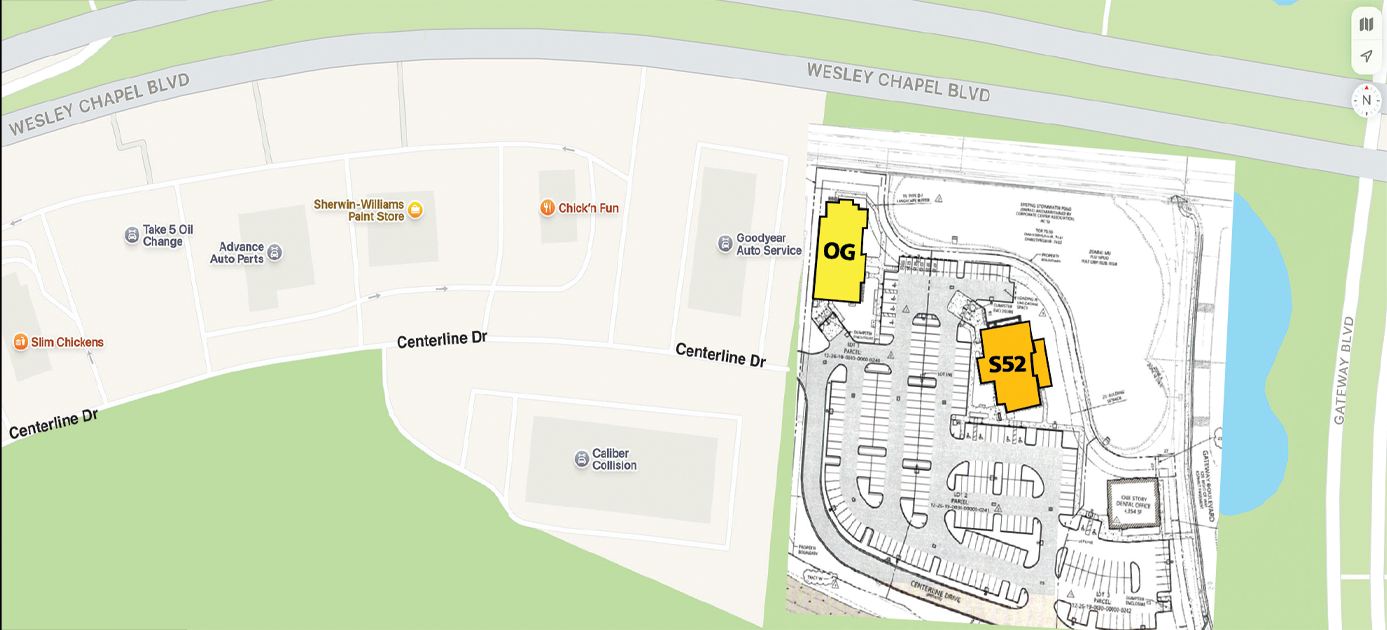
Above is an absolutely not-to-scale NN composite map showing the existing businesses on the south side of Wesley Chapel (WC) Blvd. between Old Pasco Rd. & Gateway Blvd., with the site plan for the now-under-construction Gateway Plaza Retail Center superimposed to show the approximate location of Olive Garden (believed to be “Restaurant #1” on map) and Seasons 52 (believed to be “Restaurant #2”). The project also will include a dental office that will have its entrance off Gateway Blvd. The map shows Centerline Dr., which starts behind Slim Chickens, intersecting with the new plaza, but does not properly show where WC Blvd. & Gateway Blvd. connect to it. (NN-created map sources: Google Maps & Pasco County)
The restaurant rumor mill in the Wesley Chapel area has been swirling even more recently, with the previously announced planned closure and rebranding of the Bahama Breeze Island Grill on the north side of S.R. 56.
At almost the same time, the previously announced Olive Garden restaurant, located at the intersection of Wesley Chapel Blvd. (aka S.R. 54), Gateway Blvd. and Centerline Dr. (see map), began clearing the land for the Gateway Plaza Retail Center with Olive Garden, a dental office and a second previously unnamed restaurant.
After reading on one of the local Facebook groups that the second restaurant was going to be Seasons 52, I then had my research guy and correspondent Joel Provenzano look into the development plan and Joel did find that Seasons 52 is indeed the second restaurant coming to that site — even though Seasons 52 also was announced as one of the Darden Restaurant brands that could replace Bahama Breeze on S.R. 56.
We will keep you posted on the progress of Olive Garden and Seasons 52, but having those two Darden Brands now coming to Wesley Chapel Blvd. less than 5 miles from Bahama Breeze, seems to have narrowed even further the possible options to replace the island-themed eatery across from the Tampa Premium Outlets.
The Wesley Chapel area’s existing Darden Brands already include Longhorn Steakhouse, Chuy’s, Cheddars Scratch Kitchen and now Olive Garden and Seasons 52.
That leaves only Darden’s most upscale restaurants — Eddie V’s Prime Seafood, Ruth’s Chris Steak House and The Capital Grille, plus Yard House sports pub, with Yard House rumored (also in online chat we’ve seen) to be the front runner. But, with Bahama Breeze still 12-18 months from being repurposed and no official announcement yet forthcoming from Darden, all we can say is we’ll keep you posted.
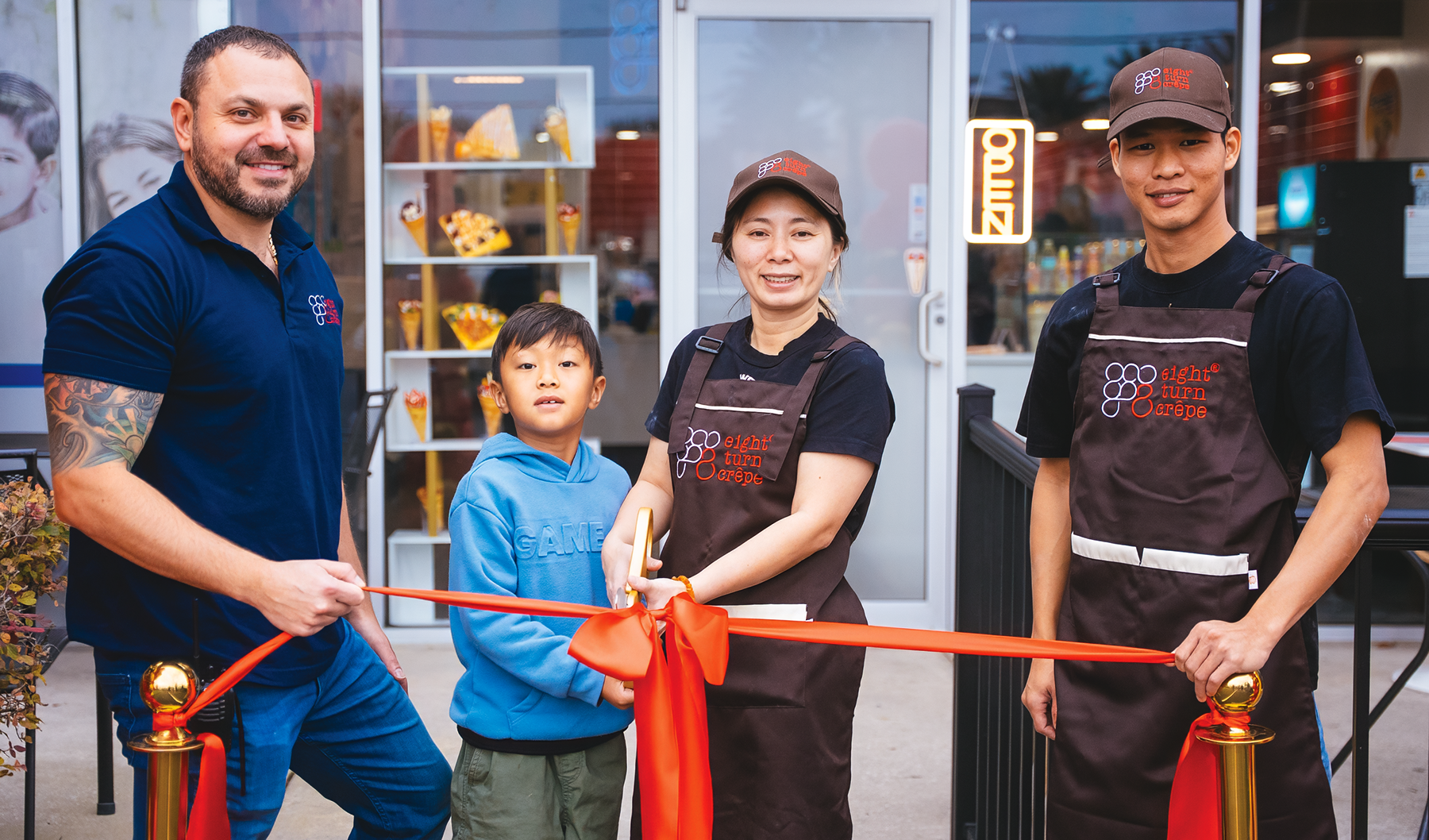
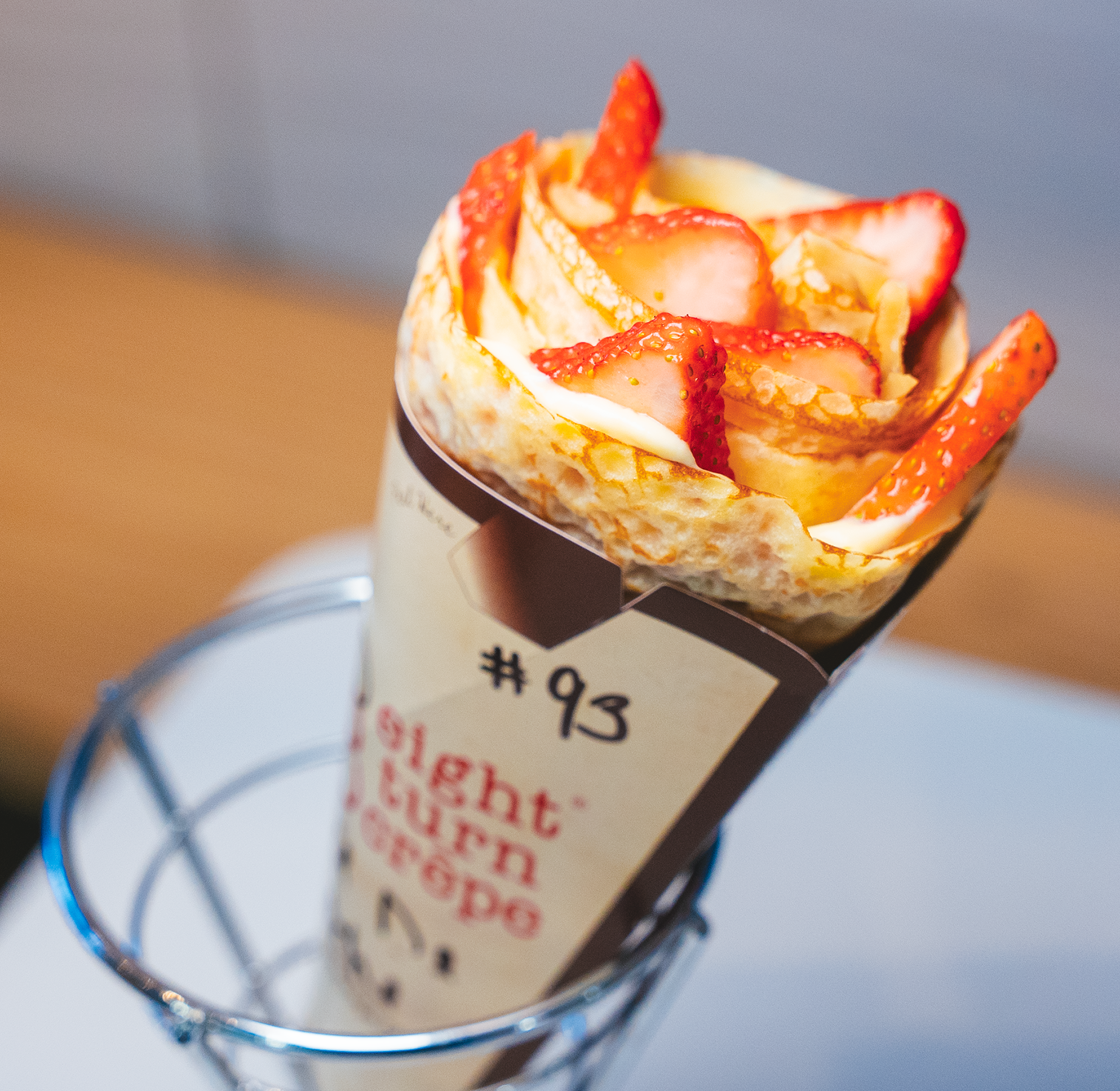
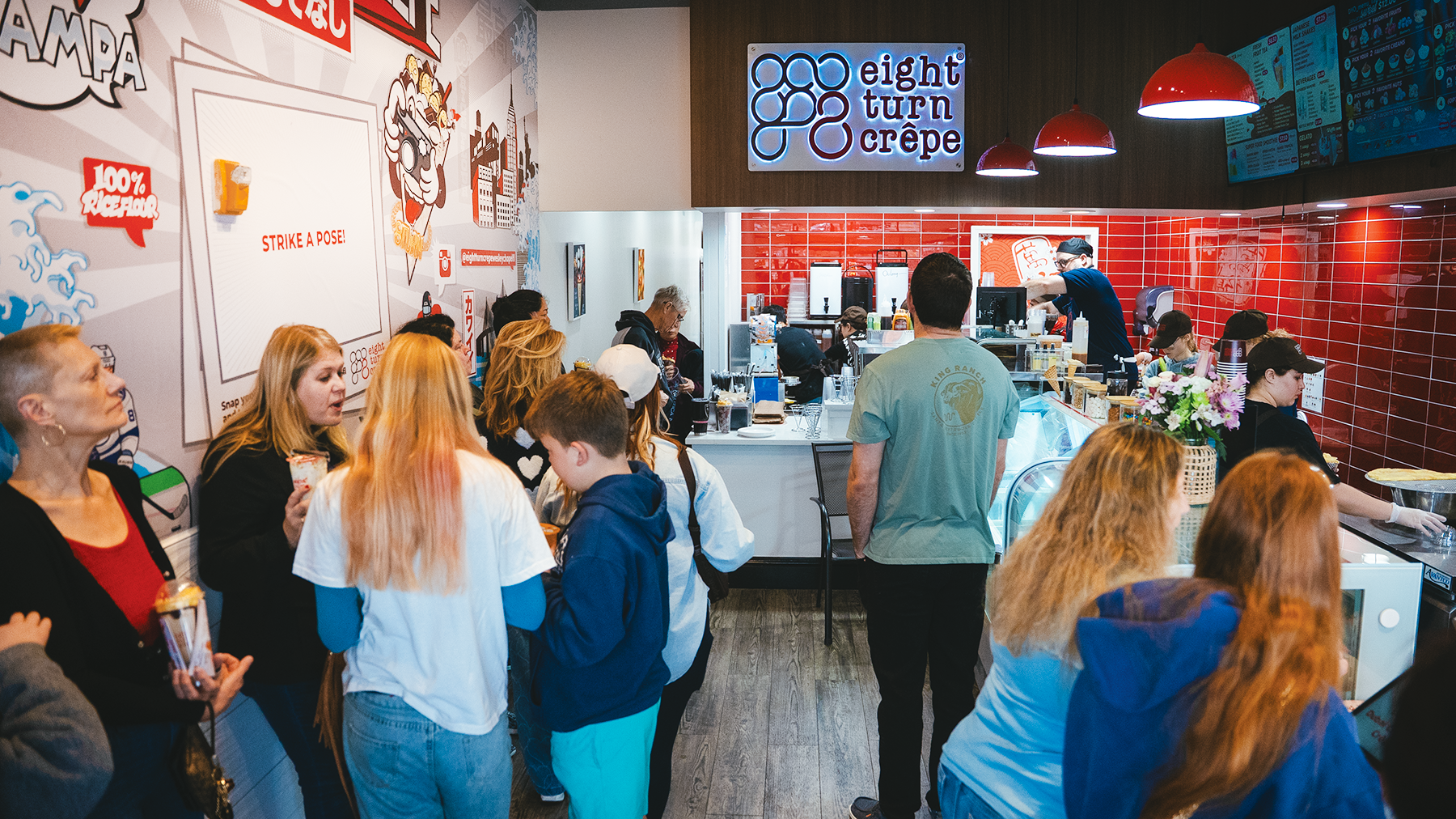
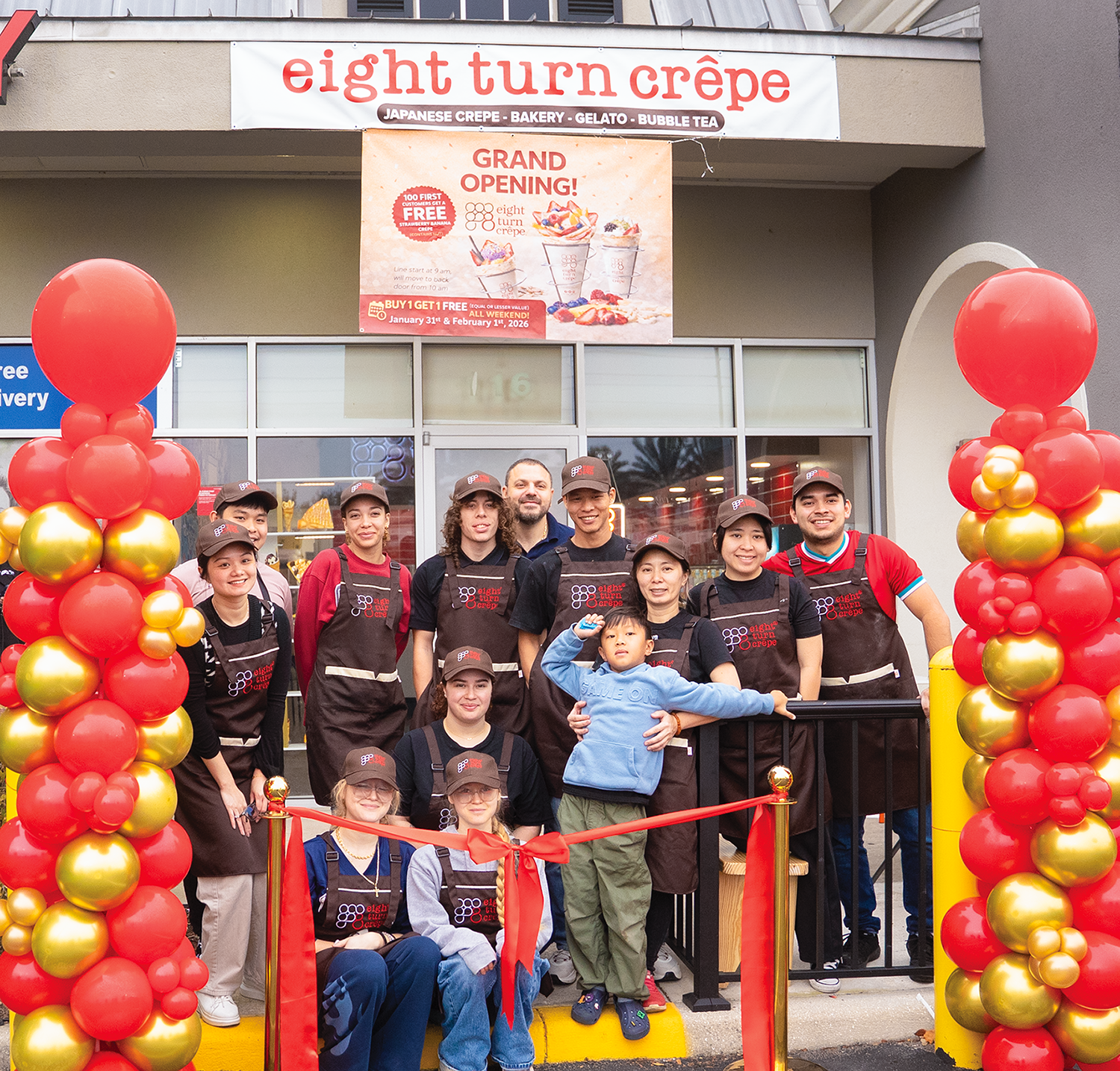
If you’ve been wanting to try something truly different from the norm in our area — whether you want a delicious hand-held savory crêpe filled with crispy pork belly, chicken teriyaki or even smoked salmon and cream cheese, or a sumptuous dessert crêpe with Dubai chocolate or lychee, raspberry and almonds, you probably should go check out the new Eight Turn Crêpe, which celebrated its Grand Opening (photo above) at 2653 Bruce B. Downs (BBD) Blvd., Suite 116, on Jan. 31.
This location was previously occupied by 35 Below ice cream, in the same plaza as Dickey’s BBQ, Umu Japanese & Thai and Sorbo coffee — which is interesting because Eight Turn Crêpe is an homage to Japanese street food, but offers items that are completely different from anything served at either Umu or Sorbo.
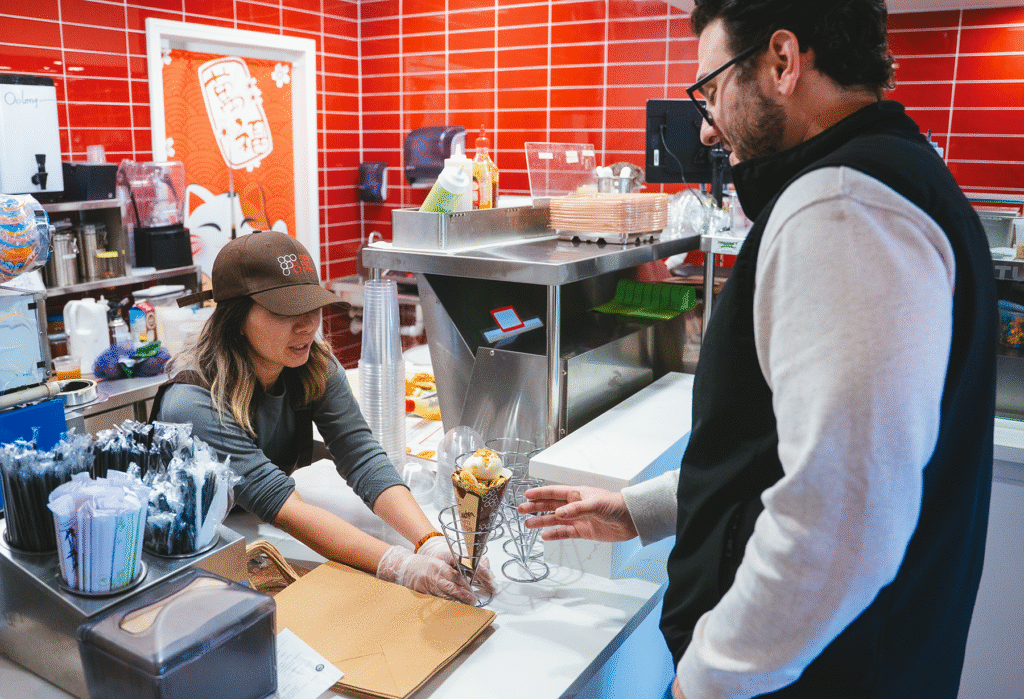
Let’s start with the company itself, which began with a single location in New York City’s Soho district in 2013 and is now up to about a dozen locations in New York, California, Texas, Idaho, Washington state and Virginia. The BBD location is the first to open in Florida and the chain’s VP of franchising Steve Kogan was on hand (left in top photo) for the opening of franchise owner Lien Nguyen’s (center in same photo) Wesley Chapel location.
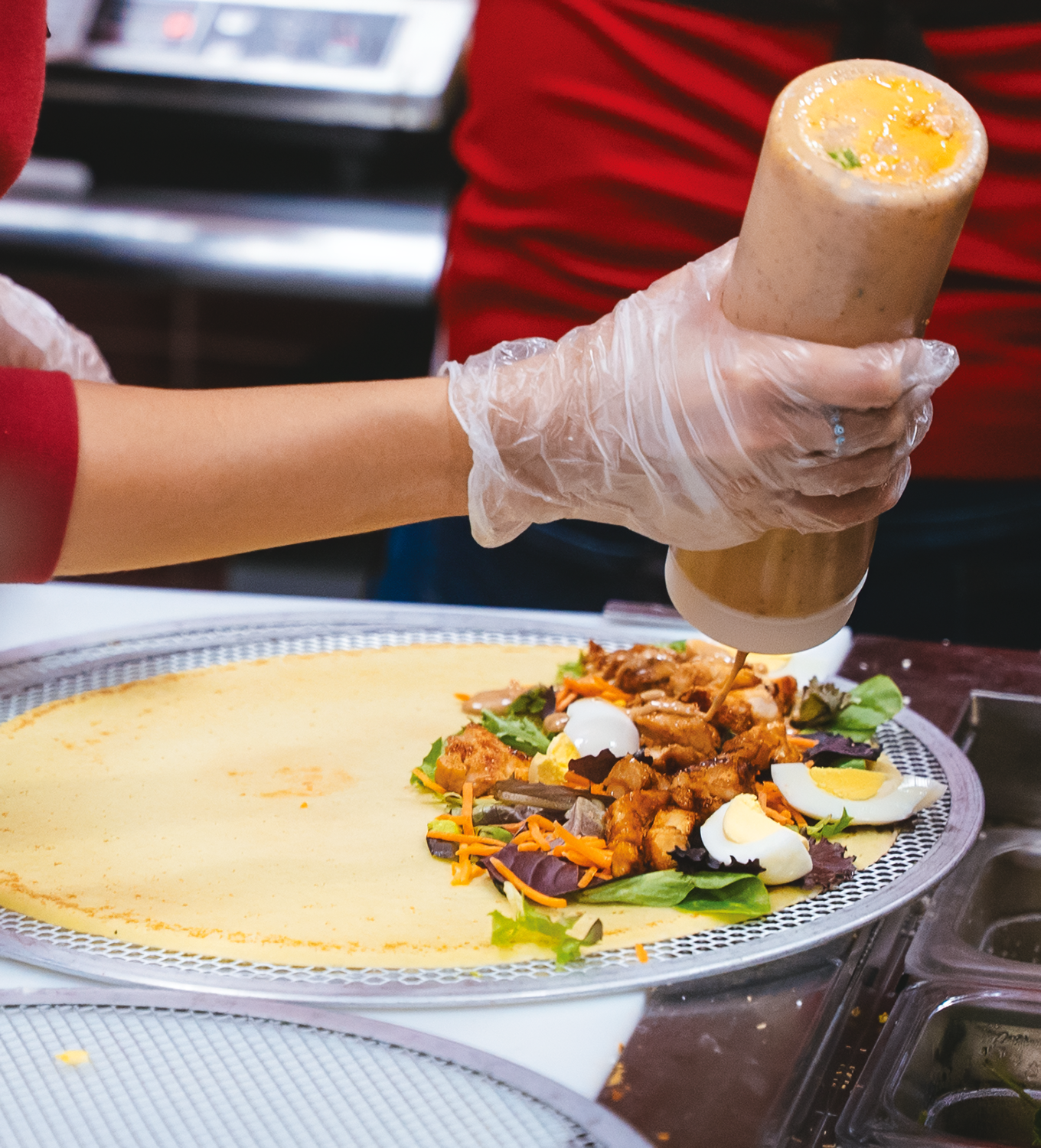
The former ice cream shop is small but attractive, with only a few tables inside and a few more outside, but the stars of the show are the super-tasty, naturally gluten-free, rice flour crêpes themselves. You can order them in either the classic Japanese cone shape (right photo above) or rolled and sliced sushi-style, like the crispy Tokyo pork belly crêpe Charmaine and I shared (left) — an amazing mix of flavors, with kimchi, avocado, lettuce, crispy shallots, sesame seeds and Japanese mayo.
In addition to the options I mentioned above, there’s also Thai chicken, bacon, egg & cheese and Philly cheesesteak savory options and all of the sweet crêpes are layered with different flavors of custard cream — and most of them are stuffed with fresh fruits, including strawberries, bananas, raspberries, blueberries, mango and lychee, with pistachios, almonds, walnuts, peanuts, hazelnuts, crunchy flakes, granola and more.
I incorrectly assumed that the sweet crêpes also would include gelato, but even though only two of the sweet crêpes on the menu include a scoop of vanilla gelato, there are a number of other gelato flavors you can add to any sweet crêpe on the menu. Best of all, you also can design your own sweet or savory crêpe, using any of the aforementioned ingredients.
Eight Turn Crêpe also has a large variety of bubble and fresh fruit teas, “super food” smoothies and creamy Japanese milk shakes. Charmaine and I loved the cherry blossom milkshake we shared — it was bursting with real cherry flavor.
I’m hoping our readers will find and frequent Eight Turn Crêpe. It’s truly different from anything else in our area — and totally tasty.
For info, call (813) 867-6413 or visit EightTurnCrepe.com. — GN, all photos by Charmaine George
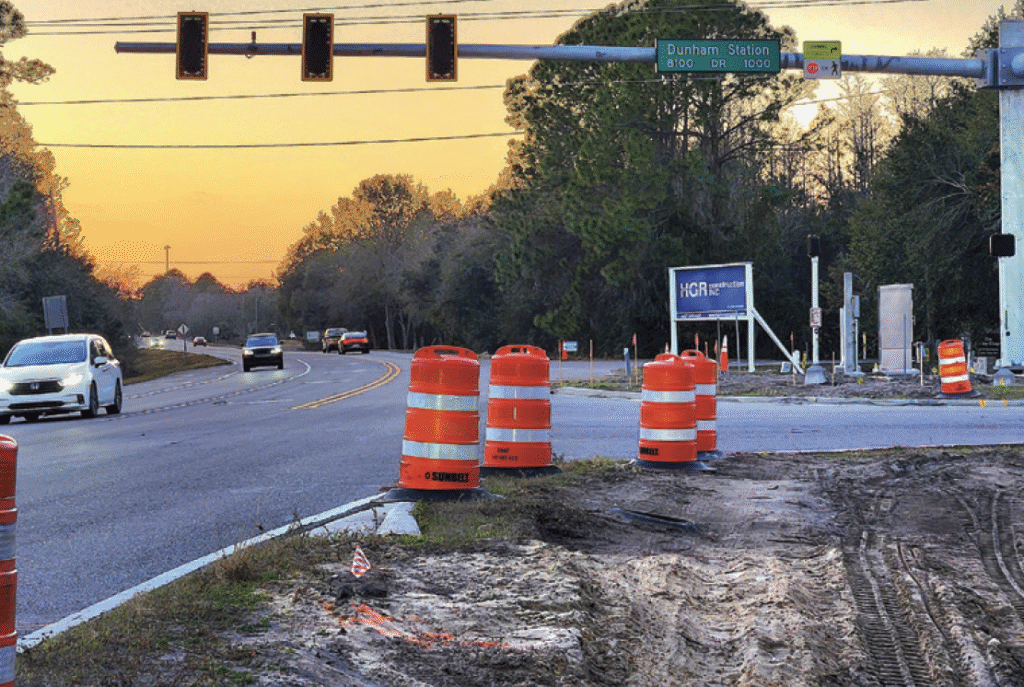
If you happened to be driving down County Line Rd. a few weeks ago, just past Grand Hampton, you might have done a double take. We sure did. There, seemingly out of nowhere, was a brand-new traffic signal (photo below) going in at Dunham Station Dr. Curious enough on its own — but what really caught our attention was why it was being installed…especially since it didn’t appear anywhere on Pasco County’s latest comprehensive transportation projects map.
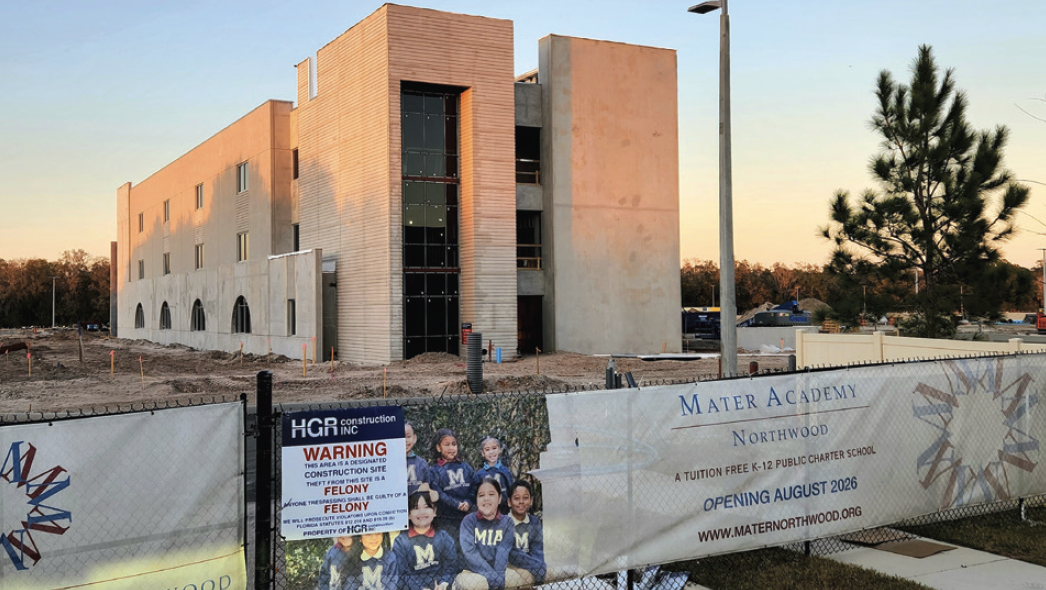
As it turns out, the signal isn’t random at all. It’s there to serve a huge, previously-under-the-radar K-12 public charter school quietly rising (top photo) at the south end of Wesley Chapel, about a mile west of Northwood.
And when we say “quietly,” we actually mean very quietly.
The school is called Mater Academy at Northwood, a tuition-free K-12 public charter school slated to open in August 2026. Until recently, most residents — including us — had no idea it was coming. Its Facebook page has had just nine followers since November, and there’s been almost no public chatter about it online.
Honestly, if it weren’t for that new traffic signal on County Line Rd., we might not have even known about the Mater Academy until it opened its doors.
The site is impressively hidden. When we drove back there out of sheer curiosity (and, of course, our ongoing commitment to nosy neighborhood journalism), we fully expected to find yet another three-story, climate-controlled self-storage facility being built.
Instead? Thankfully…a school. In Wesley Chapel. Actual, real-deal education infrastructure.
Though to be fair, that spot would have been the perfect place for self-storage. No one would have ever seen it back there.
Where Exactly Is This Located?
Mater Academy at Northwood is being built on a 15-acre site at the northern end of Dunham Station Dr., tucked behind the Woodside Trace townhomes, just north of County Line Rd. It’s barely visible from the main road.
That detail matters, because Dunham Station Dr. also serves as the second, residents-only entrance and exit for Grand Hampton. This means many Grand Hampton residents are probably thrilled about the new signal — especially since it’s just 0.3 miles west of Grand Hampton’s main entrance signal, which only first went live in July 2024.
Yes, two signals. Less than a third of a mile apart. On already-packed County Line Rd.
Déjà Vu On County Line Rd.
If this sounds familiar, it should. This story is very much a sequel to our 2024 “Cheers & Jeers” story about the new Grand Hampton entrance traffic signal. Back then, residents were split — some cheering a long-overdue safety improvement, others grumbling about backups and timing issues.
That article also pointed out what long-time locals already know: Two-lane County Line Rd. may still feel rural, but it hasn’t been truly rural for a long time. With growing neighborhoods, schools, townhomes and commercial development, traffic volumes — and turning movement times — have steadily increased.
The new Dunham Station Dr. signal continues that trend. And unlike the Grand Hampton signal, this one comes with a new westbound right turn lane (from the Pasco side) and full pedestrian crosswalks, clearly designed to manage the traffic that a large school inevitably brings.
But, will County Line Rd. ever get proper, full- length arterial sidewalks? That’s still to be determined— maybe when (or if) it ever gets widened to four lanes. But, with the North Tampa Christian Academy and a brand new Primrose School (as we reported last issue) already adding traffic on this two-lane roadway, there’s no doubt that another 700-2,500 students is not going to make traveling on County Line Rd. any easier.
How Big A School Is It?
Big. Like, really big. (See rendering right)
According to construction plans dated September 2025, the school will be built in seven total phases:
• Phase 1 includes a 3-story, 38,000-sq-ft classroom building at the entrance, currently under construction
• Phases 2-4 will add three more 3-story standalone classroom buildings and a gym, bringing the total to five buildings and 139,000 sq. ft. overall
• Phase 5 adds outdoor basketball courts and playgrounds
• Phase 6 adds a full-size sports field and an additional baseball diamond
• Phase 7 includes the 12,000-sq-ft, one-story gymnasium at the rear of the site
In total, the school is planned to serve up to a maximum of 2,500 students — 1,200 elementary, 600 middle and 700 high school.
Each student body will have 30-minute staggered start and end times. Current plans show:
• Elementary starting first at 7:30 a.m.
• High school ending last at 3:30 p.m.
Those details will likely evolve as construction progresses and subsequent phases get built-out.
Parking, Pick-Up & The ‘Shuffle’
The site includes 269 parking spaces and a three-lane-wide car drop-off and pick-up loop for most of the property, narrowing to two lanes at the end. If it operates like other charter schools, don’t be surprised if that triple-wide drop-off doubles as overflow parking during events.
It’s still unclear how many students will be accommodated in Phase 1 — although the building’s size indicates a likely maximum of 700 students in that Phase 1 building.
We also couldn’t reach anyone who could tell us whether or not all grade levels will open immediately. However, the school’s online “Student Interest Form” already lists all grades as options in the pull-down menu.
What Is Mater Academy?
Mater Academy is a Miami-based charter school network that, according to its website — MaterAcademy.org— serves 29,000+ students in 44 charter schools in Florida, Nevada and Ohio. The company’s mission statement reads:
“Mater provides a safe learning environment where academics are facilitated by teachers, administrators, parents and the community which enables students to become confident, self-directed learners in a technologically-rich, college preparatory environment through rigor, relevance and relationships.”
The Takeaway
So yes — the new traffic signal on County Line Rd. is about traffic. But, it’s also the first visible sign of a major new educational development quietly taking shape just out of sight in Wesley Chapel.
Motorists should also expect another new signal to start taking shape soon— two miles to the west at Cypress Creek Rd., as this one is shown in the county’s work plan for 2026.
So, between these new signals, growing communities, and now a massive K-12 charter campus, one thing is clear: County Line Rd. is continuing its slow transformation from “sleepy connector” to full-blown growth corridor.
And apparently, sometimes the traffic light really is the source of the news.
Parents interested in learning more about the new Mater Academy can find some information, as well as the “Student Interest Form” at MaterNorthwood.org. We did not know at our press time about any application deadline for the 2026-27 school year.